
Some hotels stay with you because of the view. Others because of the address, the history, or the names in the guestbook.
But the ones people return to, and talk about for years, tend to have something more personal at the center. A point of view. A sense of care. A feeling that someone is shaping the experience, not just operating it.
This becomes even more visible when the people behind a hotel are deeply involved in what guests actually feel. The atmosphere. The rituals. The objects in the room. The pace of the day.
In many of these places, women play that role quietly but powerfully. They hold the tone of the hotel, balancing legacy with evolution, making sure it never loses its intimacy as it grows.
The five hotels below are very different from one another. A Tuscan icon by the sea. A Positano classic. A remote Canadian inn built on community. A Riviera Maya hideaway. A family-run estate near Cortona.
What connects them is a hands-on approach to hospitality that feels personal, specific, and impossible to replicate.
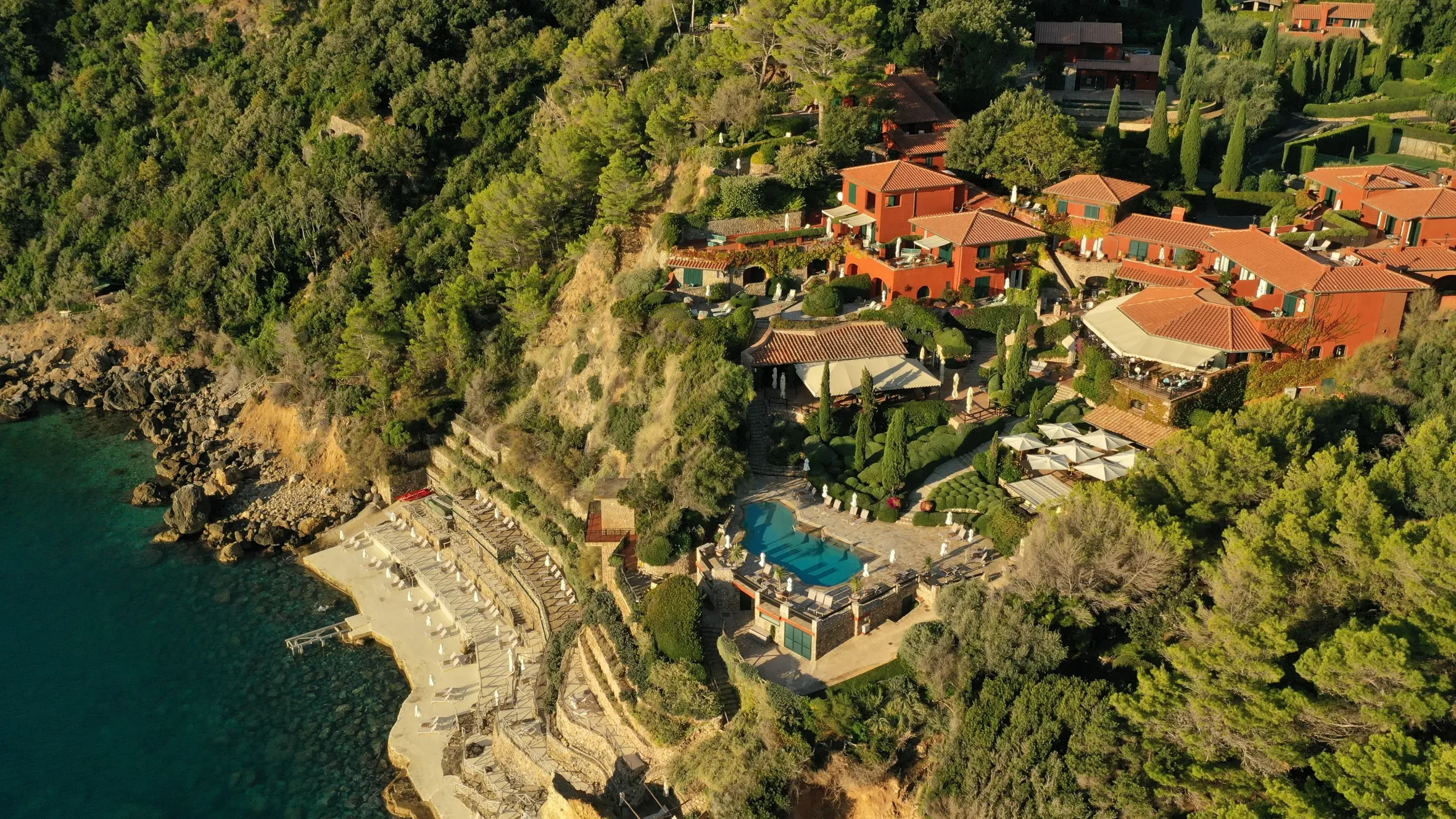
Il Pellicano, Tuscany
Il Pellicano began as a love story in the 1960s, when British aviator Michael Graham and American socialite Patsy Daszel turned their private retreat into a hotel.
Today, the property is shaped by Marie-Louise Sciò, CEO and creative director of Pellicano Hotels. Her background in architecture at RISD is visible in the way the hotel feels, layered, intentional, and quietly expressive.
Her involvement goes far beyond branding. She curates everything, from books and films to scent, linens, and visual identity. Her goal has been consistent: keep Il Pellicano feeling like a summer home, not a staged version of luxury.

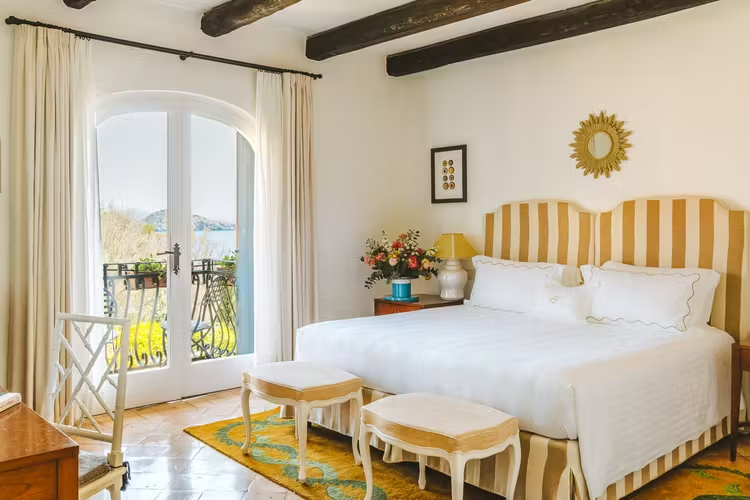
That instinct has translated into loyalty. Nearly half of the guests return, a rare statistic in hospitality.
Small details reveal the depth of her role. She was initially asked to redesign a single bathroom and ended up reimagining the entire hotel. She also describes the perfect day in simple terms: swim in the sea, eat pasta alle vongole, book a facial, browse the small shop.
Nothing abstract. Just a clear understanding of how a stay should unfold.
Why so COZY:
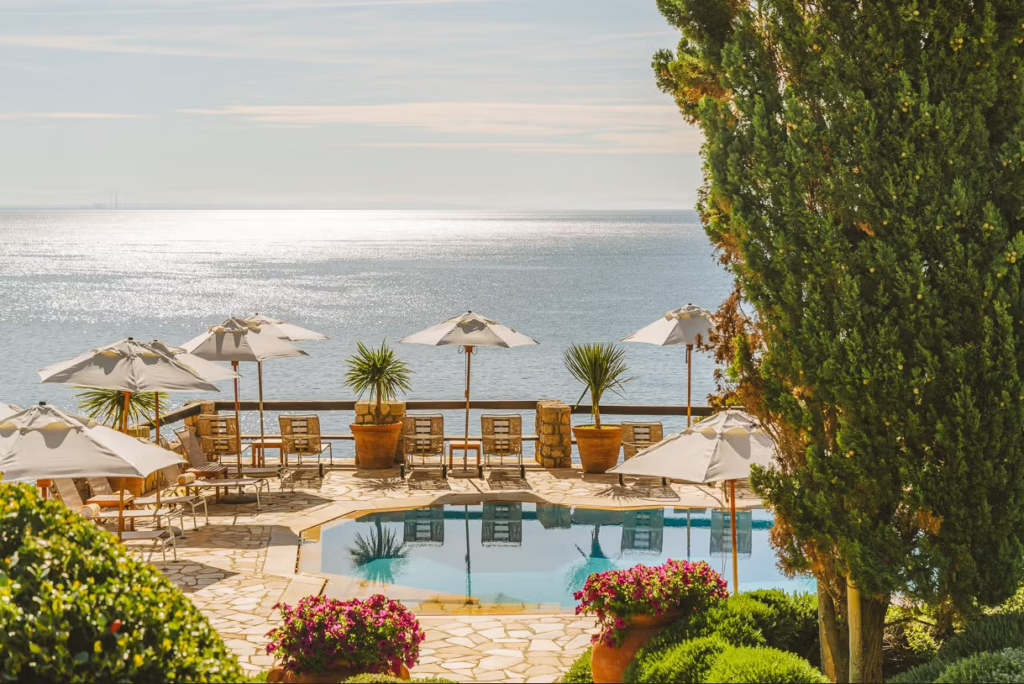
Old-world glamour, without stiffness. Mornings by the water, long lunches, and afternoons that feel more like a private home than a hotel.
Le Sirenuse, Positano
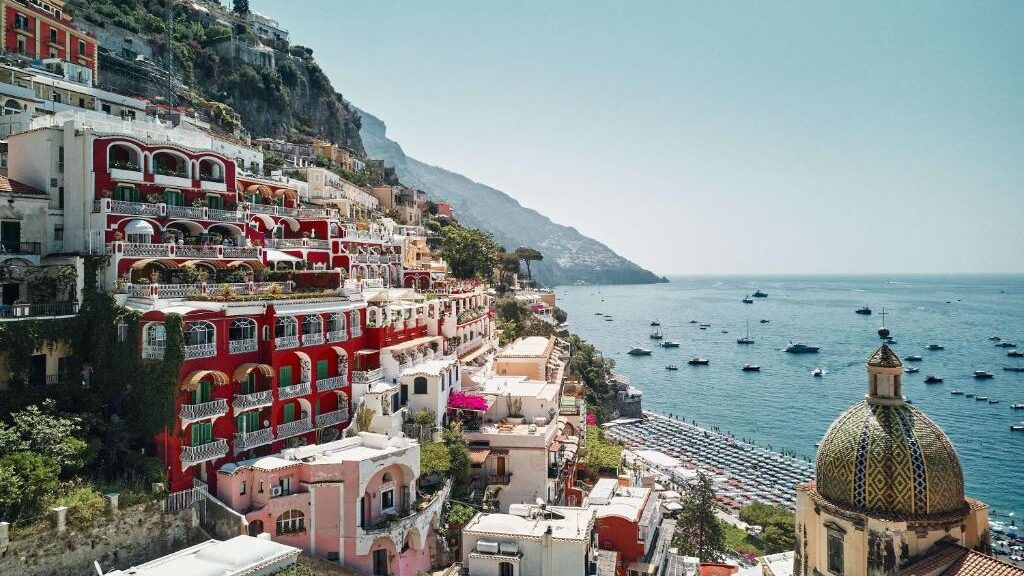
Le Sirenuse opened in 1951 when the Sersale family transformed their home into a hotel. It remains deeply rooted in that family identity today.
Carla Sersale plays a central role in shaping what the hotel has become. As founder of Emporio Sirenuse and a long-time custodian of the brand’s identity, her influence sits at the intersection of hospitality, design, and storytelling.
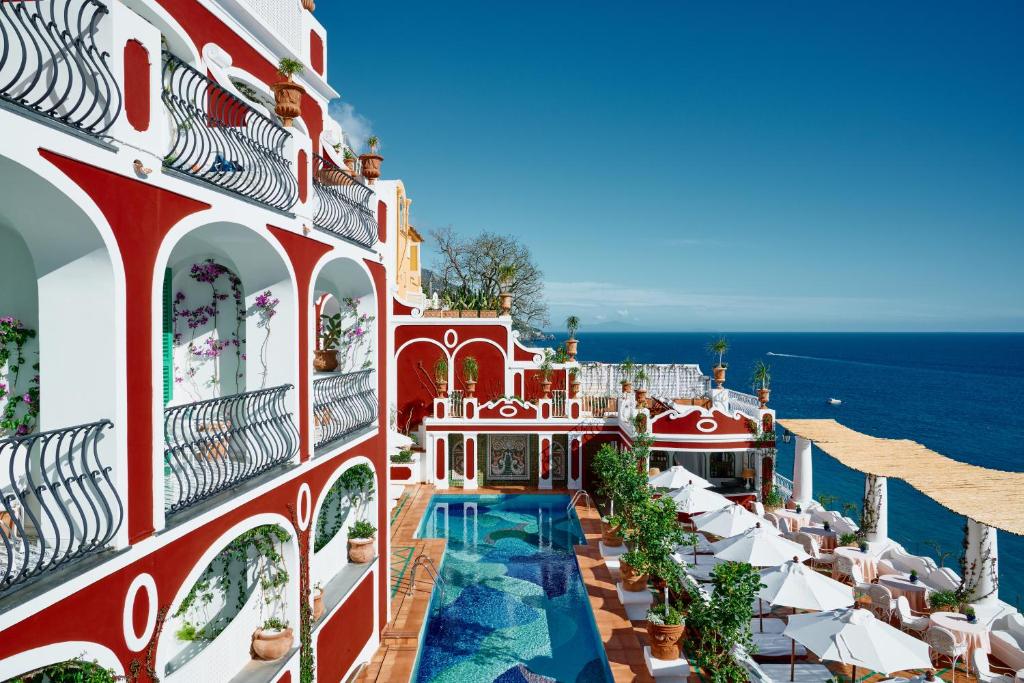
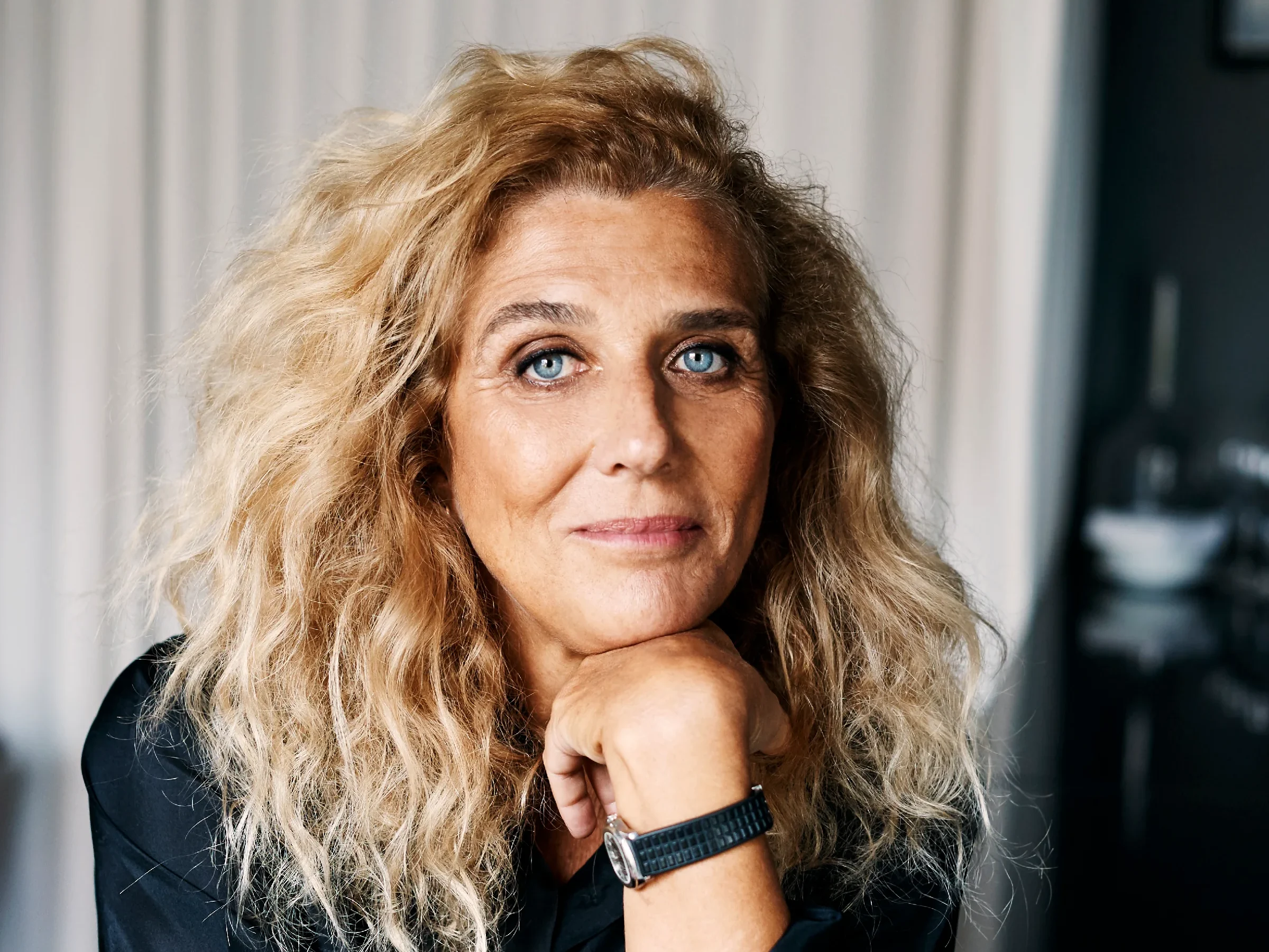
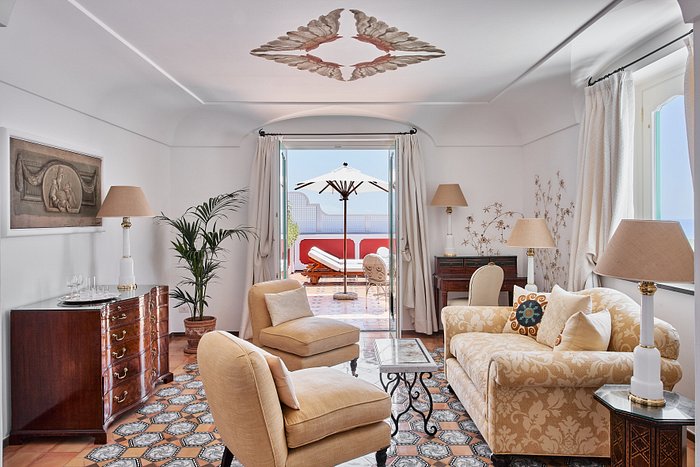
She helped expand the hotel’s cultural presence through the Artists at Le Sirenuse program, inviting contemporary artists to create site-specific works. She also turned the Emporio into a destination of its own, evolving it into a resortwear label inspired by the women she observed at the hotel.
Her perspective on hospitality is simple and clear: a hotel needs a story, and the people behind it need to enjoy creating it.
That philosophy shows up everywhere. In the art. In the objects. In the rhythm of the evenings.
Why so COZY:
Dinner at La Sponda under candlelight, followed by a slow walk through a space where family history, contemporary art, and Positano romance coexist effortlessly.
Fogo Island Inn, Canada
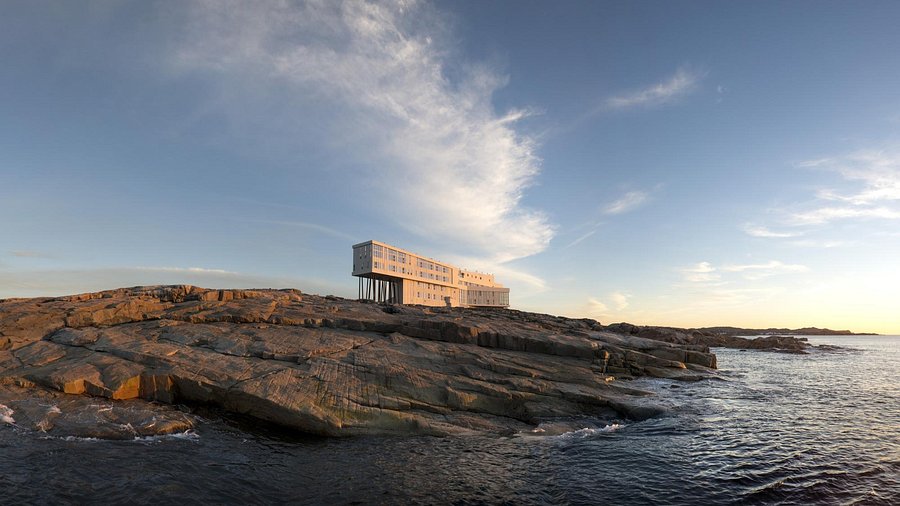
Fogo Island Inn expands the idea of what a hotel can be.
Zita Cobb, a native of the island, returned after a successful career in tech to build something that would support her community. Alongside her siblings, she founded Shorefast and opened the inn in 2013.
The property operates as a social business. All operating surpluses are reinvested locally, supporting culture, craft, and the island’s economy.
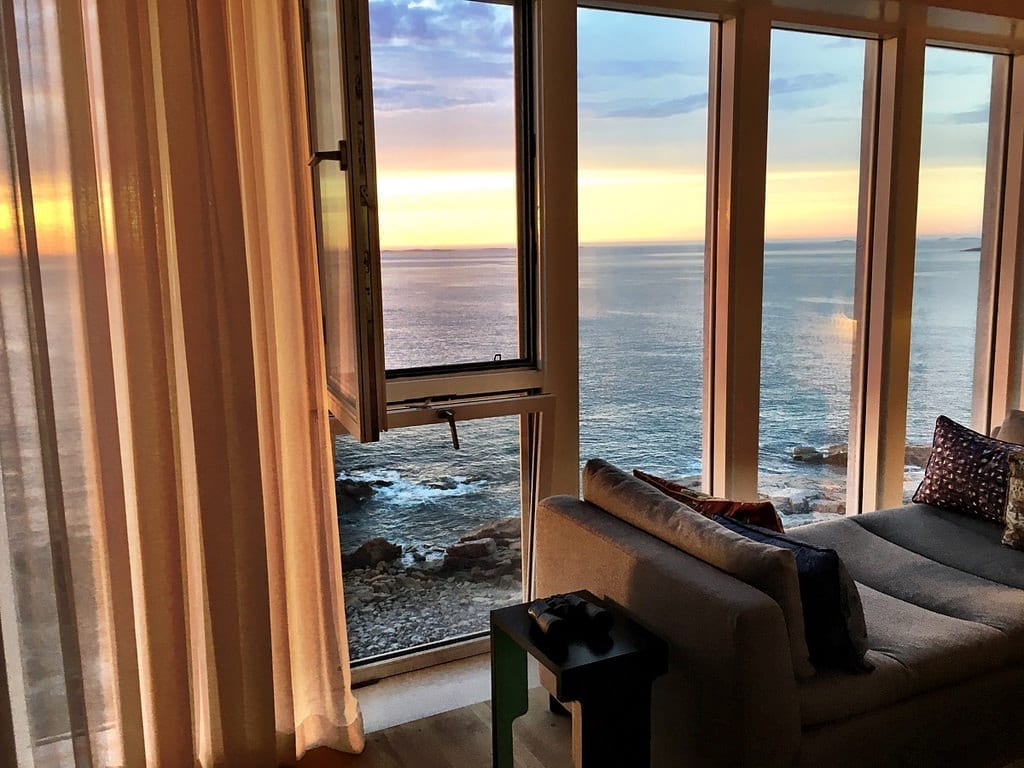

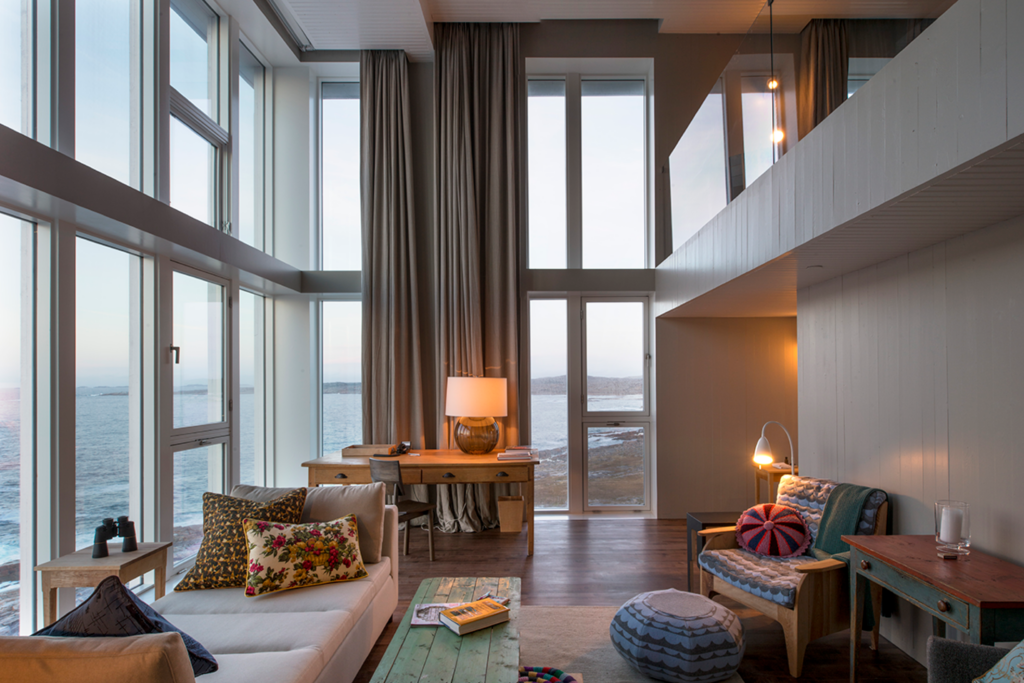
Cobb’s approach is both philosophical and practical. The inn introduced “Economic Nutrition” labels, showing guests where their money goes. It also reimagined the idea of a concierge. Instead of one person, the entire community participates in hosting.
Recognition has followed, including Michelin Keys and major global press, but the focus has remained consistent.
Why so COZY:
A rare balance of purpose and beauty. Time spent with local hosts, dramatic Atlantic views, and a sense that your stay contributes to something larger.
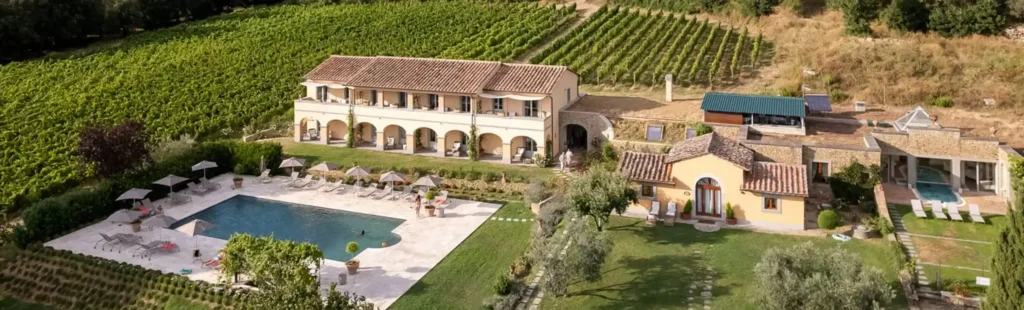
Il Falconiere, Tuscany
Il Falconiere brings the most intimate story of the group.
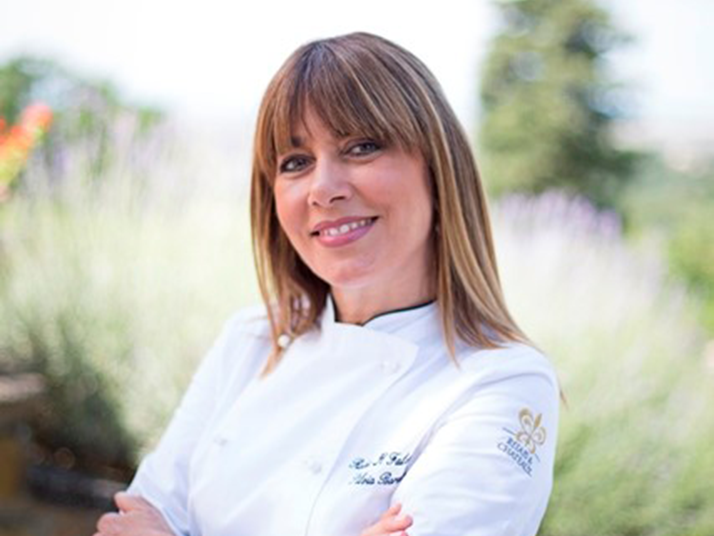
A 17th-century estate owned by the Baracchi family, it is now led by Silvia Baracchi and her son Benedetto. Together, they welcome guests into a space where hospitality, food, and wine are deeply intertwined.
Silvia’s role is expansive. She oversees the restaurant, leads the cooking school, and remains closely involved in the guest experience. The restaurant holds a Michelin star, yet the atmosphere remains grounded and personal.
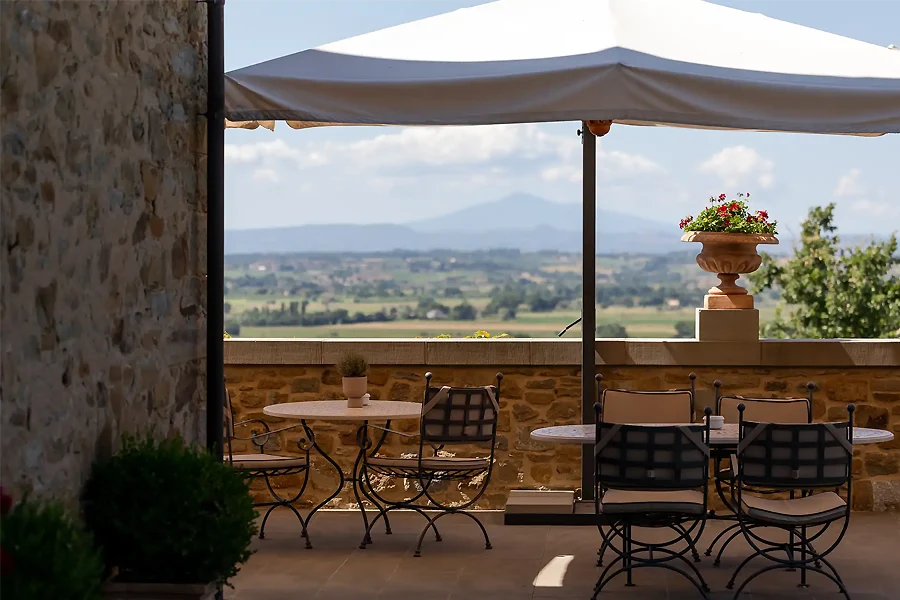
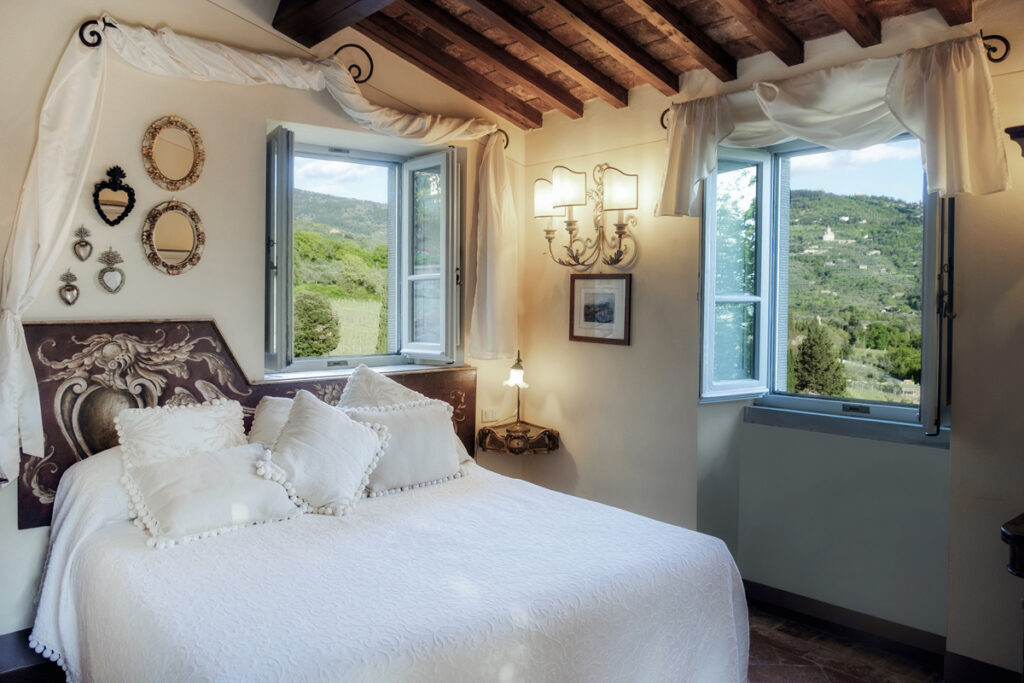
Benedetto carries forward the family’s winemaking tradition, guiding guests through tastings that connect directly to the land.
What stands out most is how natural the experience feels. Cooking classes are not staged activities, they are extensions of Silvia’s life. Meals feel shared, not performed.
Why so COZY:
A direct connection to place. Cooking, wine, and hospitality come together in a way that feels both refined and deeply personal.
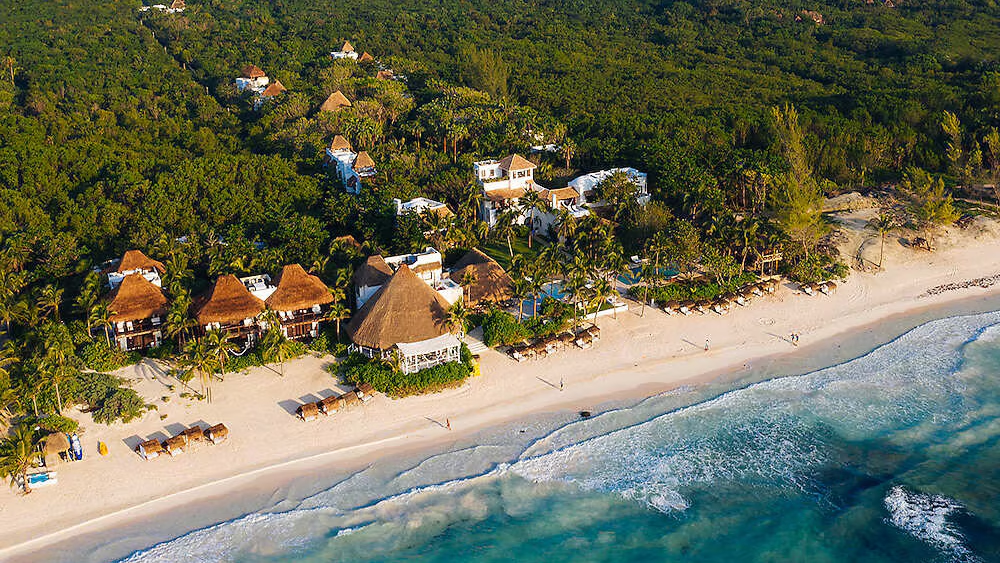
Hotel Esencia, Riviera Maya
Hotel Esencia requires a slightly different lens.
The original soul of the property comes from Rosa de Ferrari, an Italian duchess who owned the estate and shaped its residential, private atmosphere. Today, the hotel is owned by Kevin Wendle, who acquired it in 2014 and carefully evolved it into one of the Riviera Maya’s most refined properties.
While not a current female-led hotel in the same way as others on this list, it remains a strong example of how a personal vision defines the guest experience.
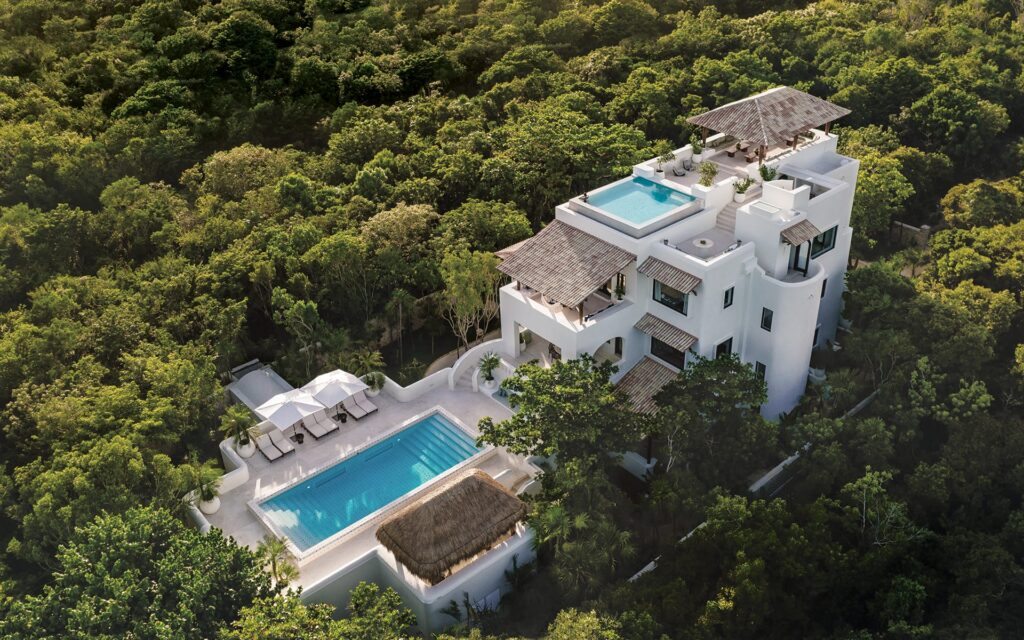
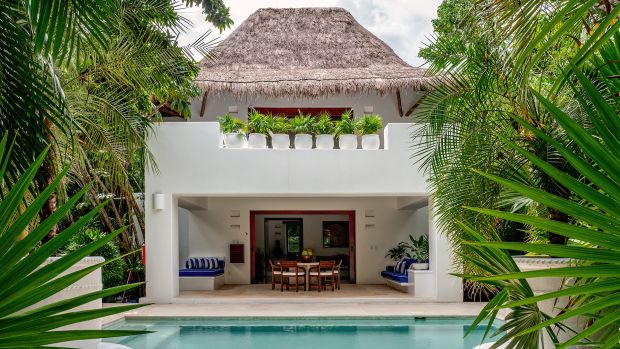
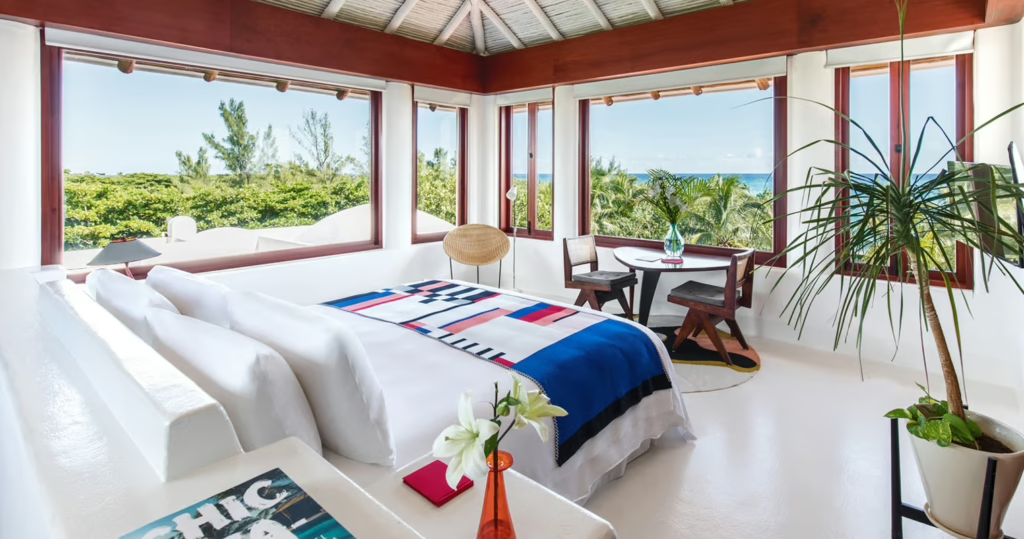
Wendle treats the property as a home, and that mindset is visible in every decision. After 2020, he replaced smaller suites with larger wellness-focused duplexes, anticipating a shift toward privacy and space. Artists have contributed deeply to the property, from hand-painted murals to custom-designed tiles.
The hotel has received consistent recognition, including multiple Forbes Five-Star ratings and placement on The World’s 50 Best Hotels list.
Why so COZY:
A quiet, highly polished retreat where privacy leads the experience. Days move slowly, centered around wellness, the beach, and the rhythm of the property.
The COZY Perspective
These hotels are not defined by scale or status alone.
They are shaped by people who care about how a place feels, not just how it looks. People who stay involved, who make decisions with intention, who understand that hospitality is built in the details guests may never consciously notice.
That is often what makes a hotel feel COZY.
Not smaller. Not simpler.
Just more human.
If any of these places are on your list, connect with a COZY Advisor to plan your stay with preferred access, thoughtful perks, and a level of care that carries through every step of the journey.
Stay COZY.