
Understanding Costa Rica Before You Plan
Costa Rica is often perceived as a simple beach-and-jungle destination, but in practice, it requires a more deliberate approach.
The country is geographically compact, but travel times are longer than expected due to terrain, road conditions, and weather. More importantly, each region offers a distinct ecosystem and travel style, meaning the experience changes significantly depending on where you go.
This makes early decisions, especially region selection and routing, the most important part of planning. When done well, Costa Rica feels seamless and balanced. When rushed or overpacked, it can feel fragmented.
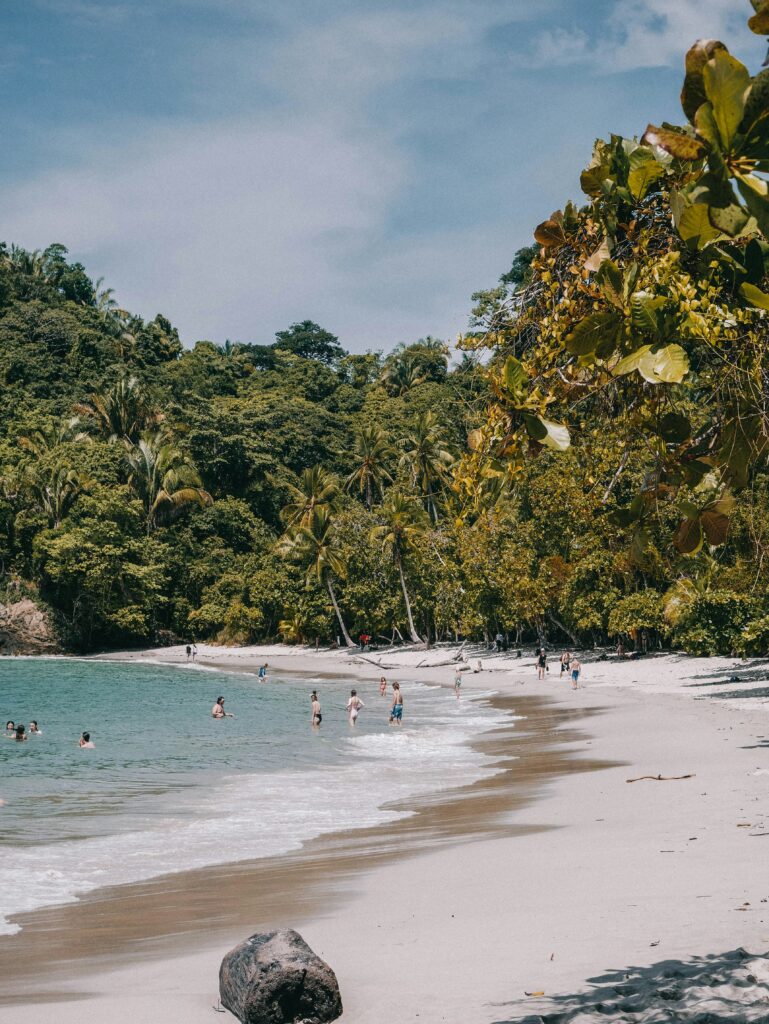
Choosing the Right Regions (This Defines the Trip)
Before selecting hotels or activities, it’s essential to determine which regions align with the traveler’s priorities.
Costa Rica is not designed for constant movement. Most successful itineraries combine two regions, occasionally three, with enough time in each to settle into the environment.
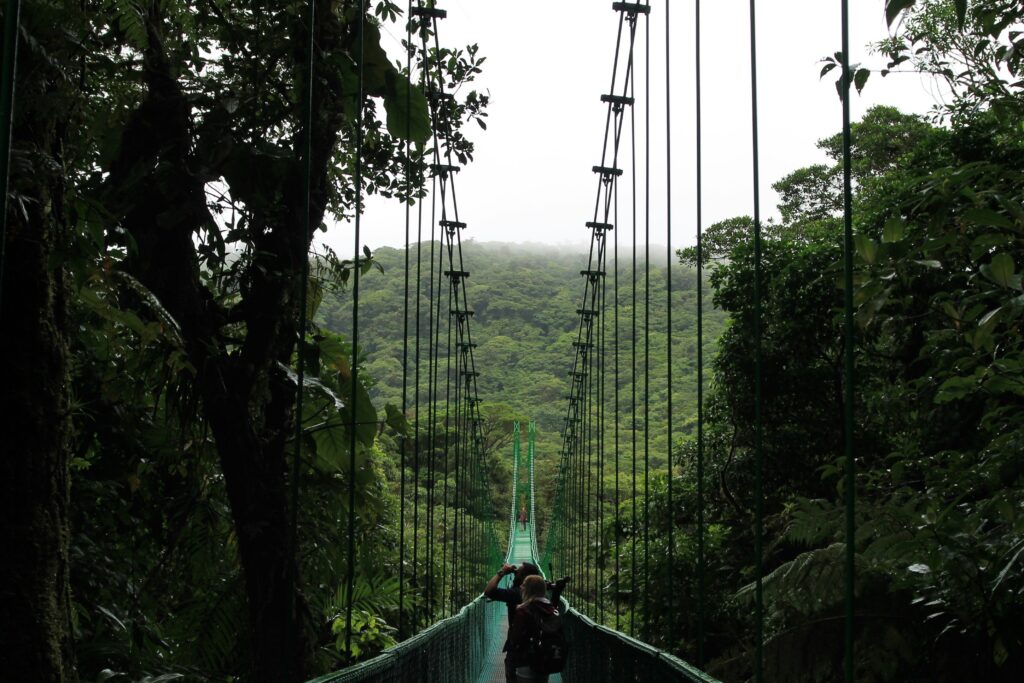
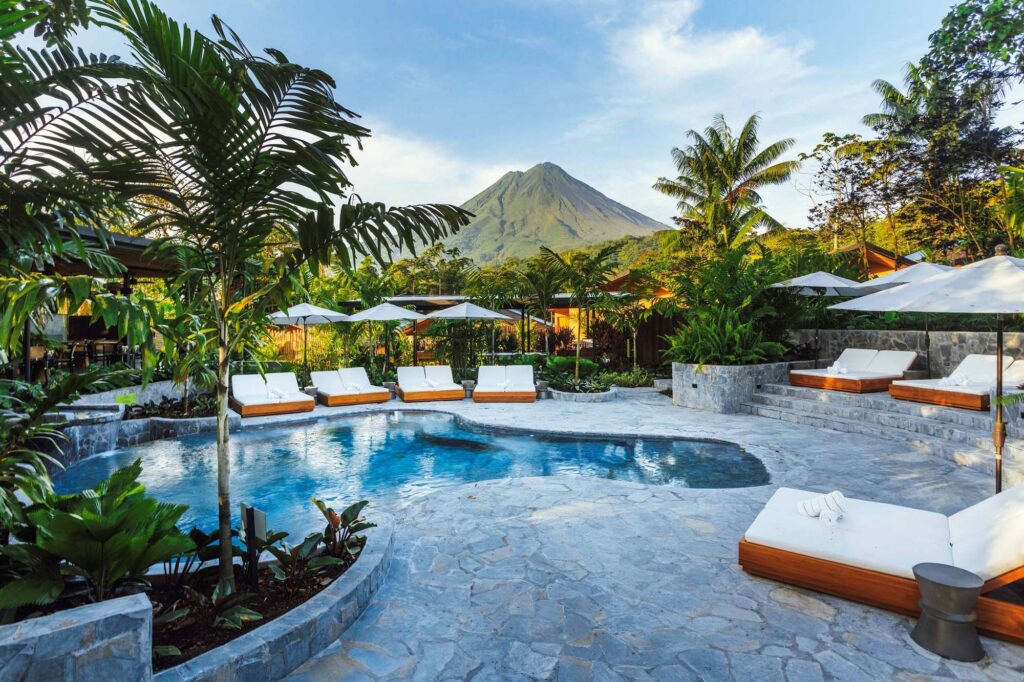
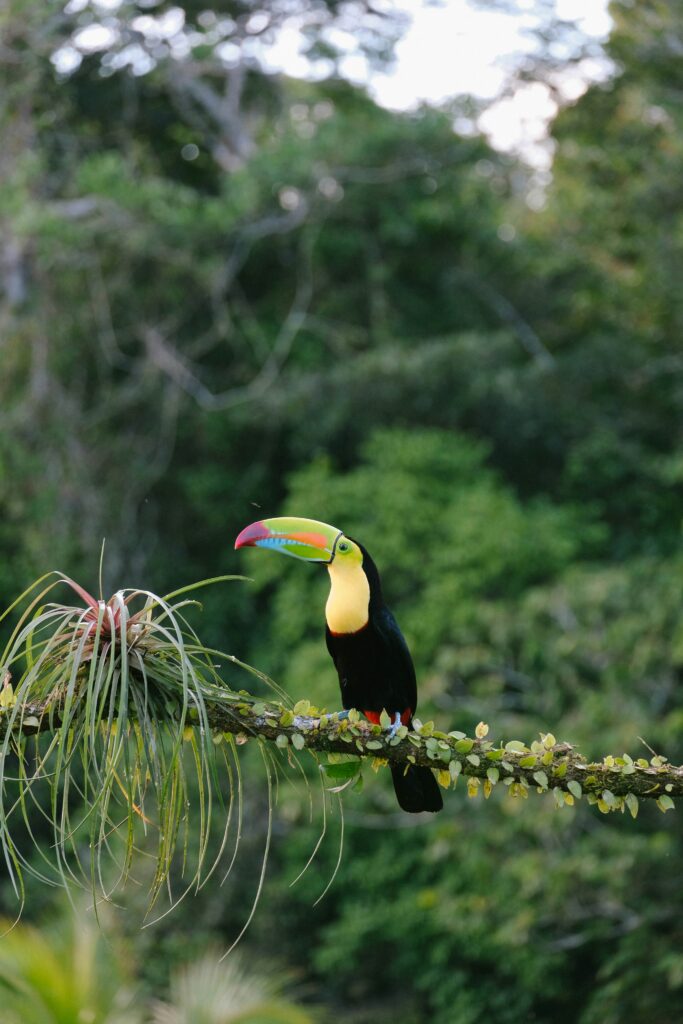
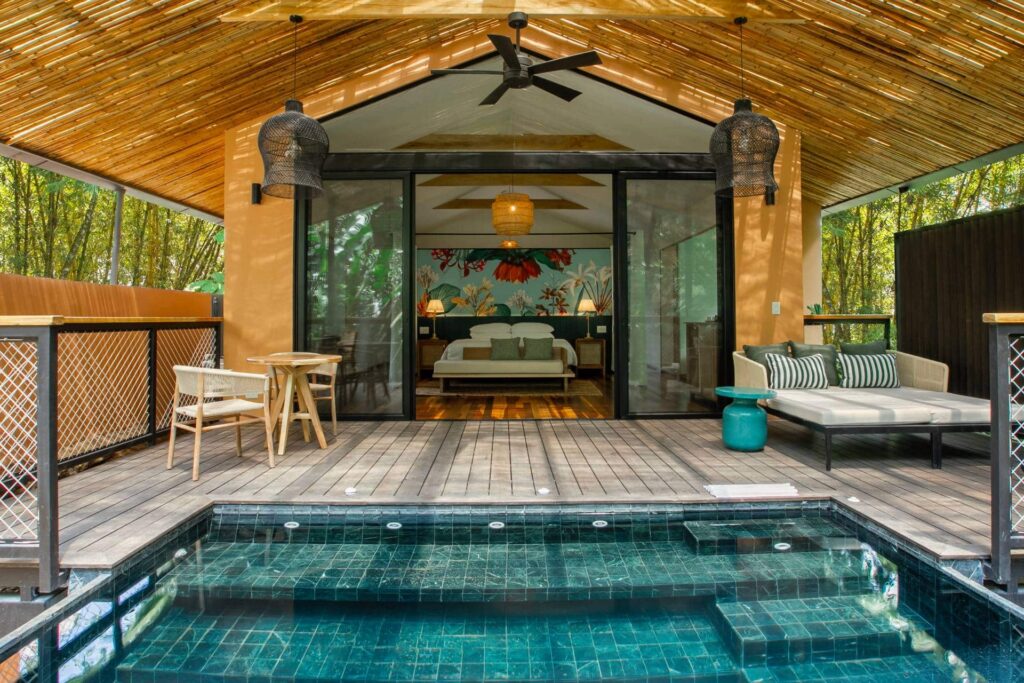
Arenal / La Fortuna (Rainforest + Volcano)
How to think about it:
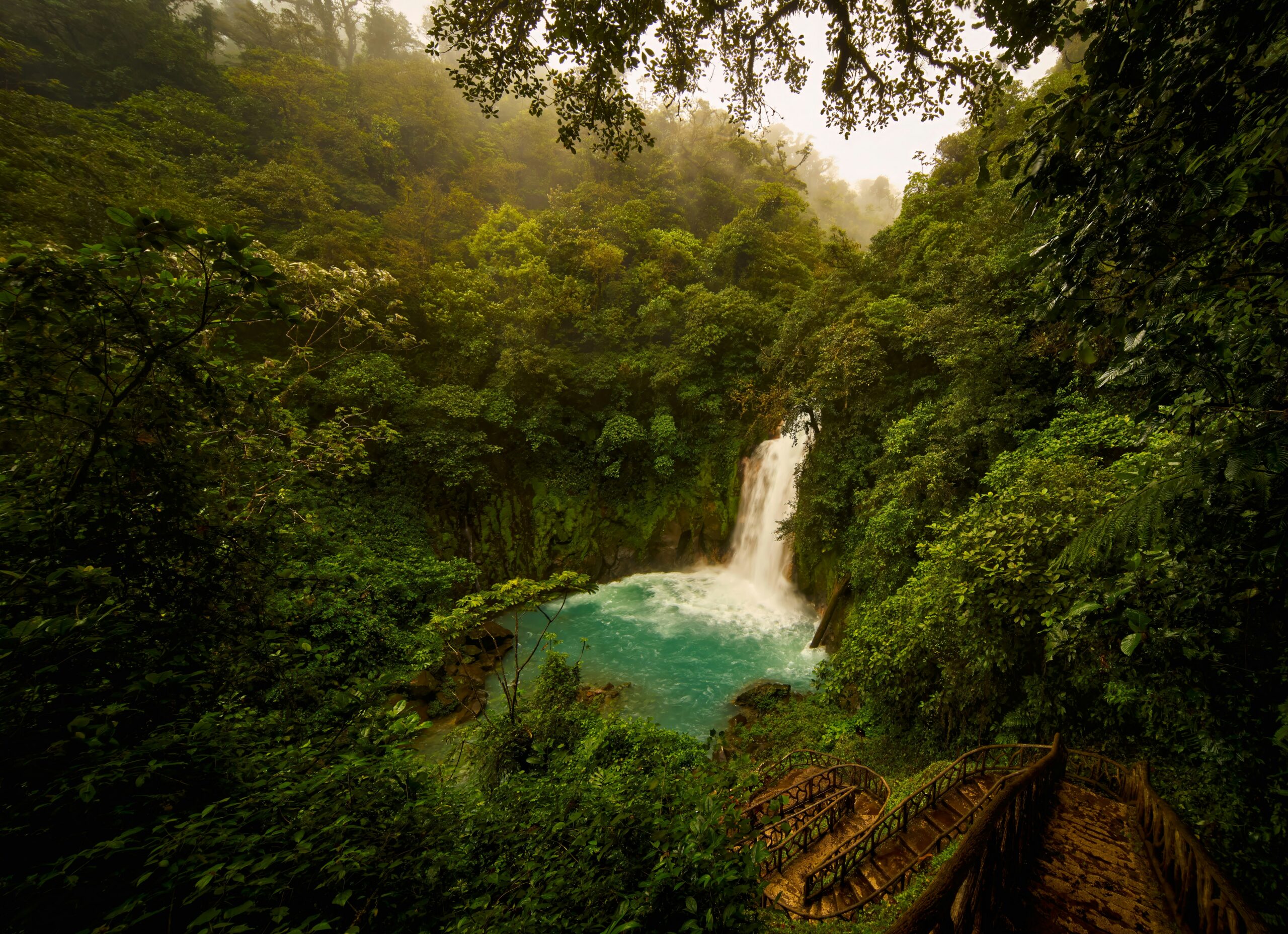
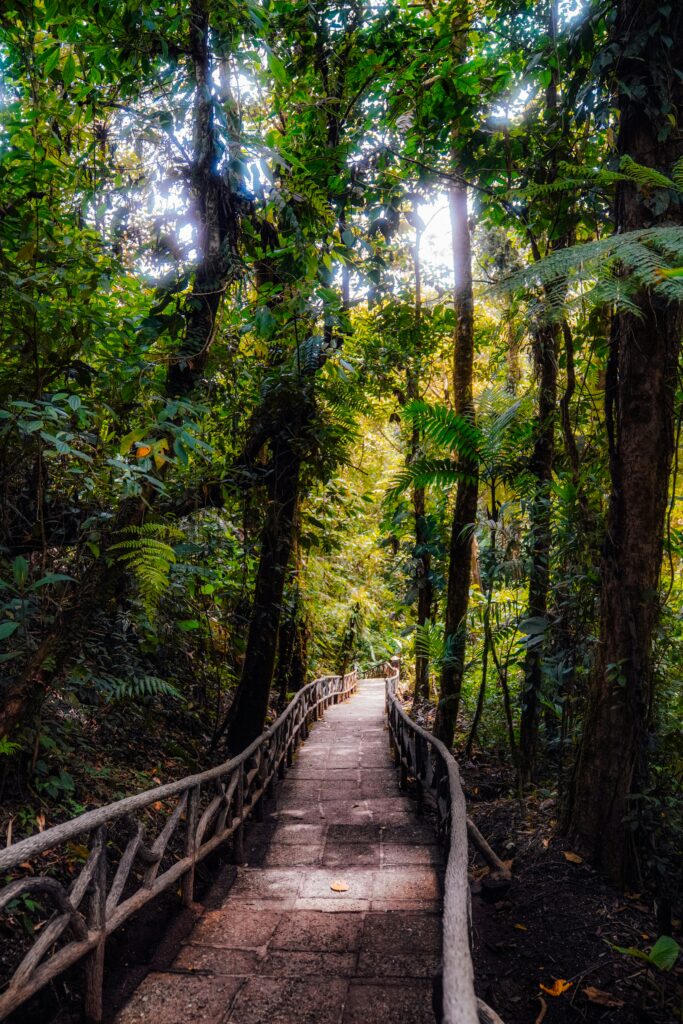
Arenal is the most versatile and accessible inland region, often serving as the introduction to Costa Rica’s landscape. It combines structured activities with downtime, making it a strong starting point for most itineraries.
From a planning perspective, this is where you incorporate guided experiences, as the terrain and biodiversity benefit from expert-led exploration.
What the experience looks like:
- Morning excursions (hiking, wildlife, waterfalls)
- Afternoons at hot springs or within the property
- Evenings that are quiet and nature-focused
Best for: first-time visitors, couples, mixed-interest groups
Recommended stay: 2–3 nights
Hotels to consider:
- The Springs Resort & Spa
- Nayara Gardens / Nayara Springs
- Tabacón Thermal Resort & Spa
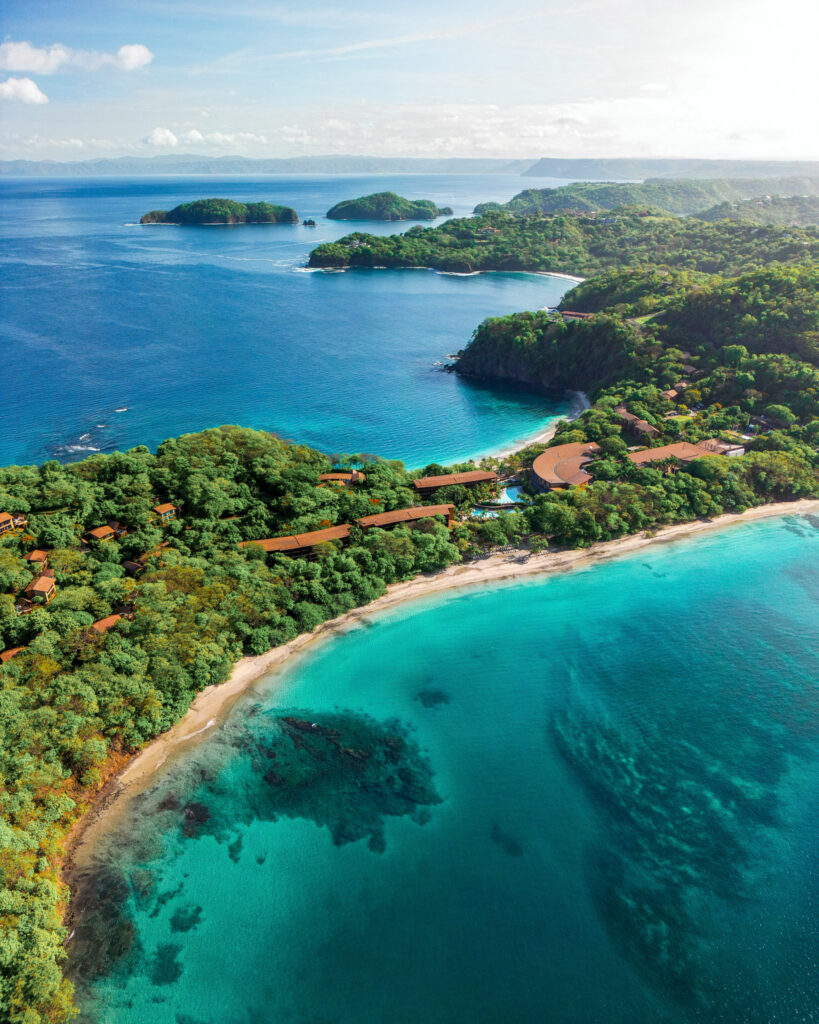
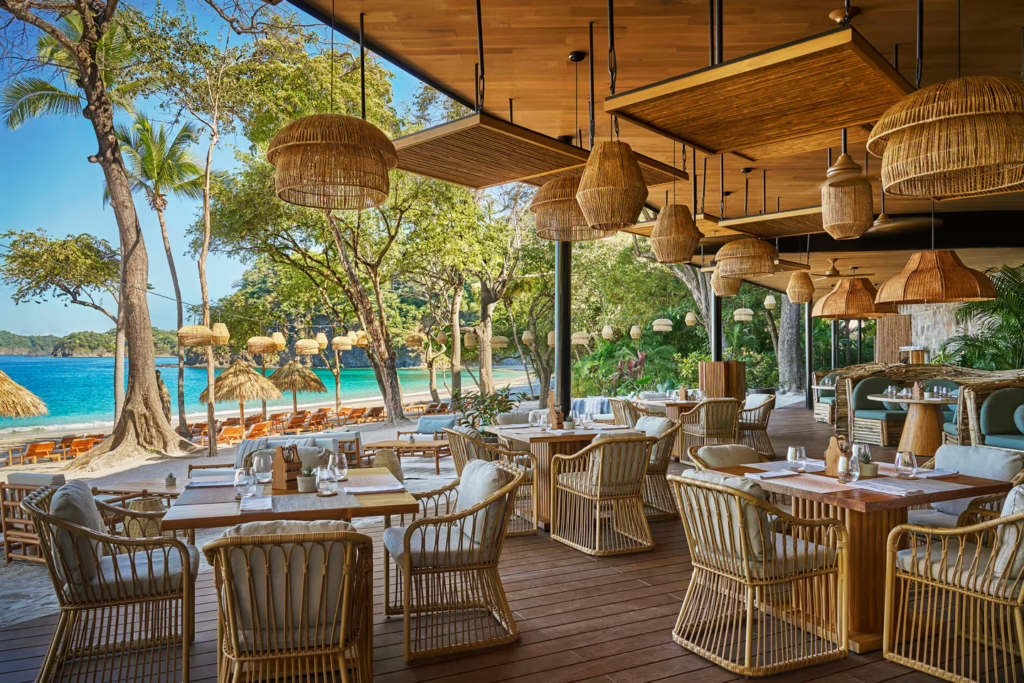
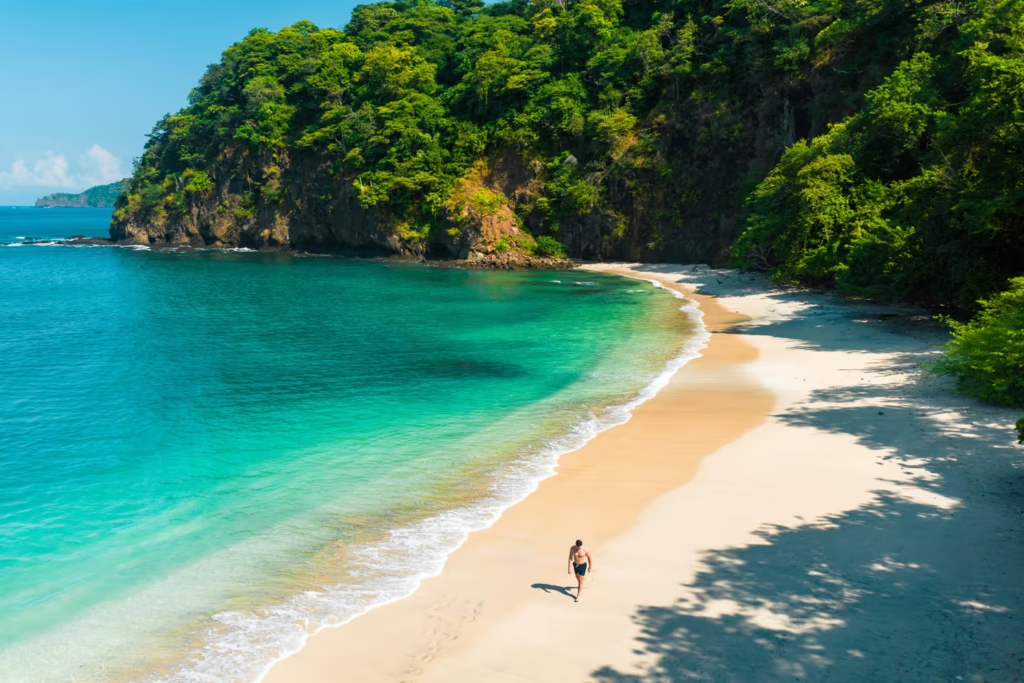
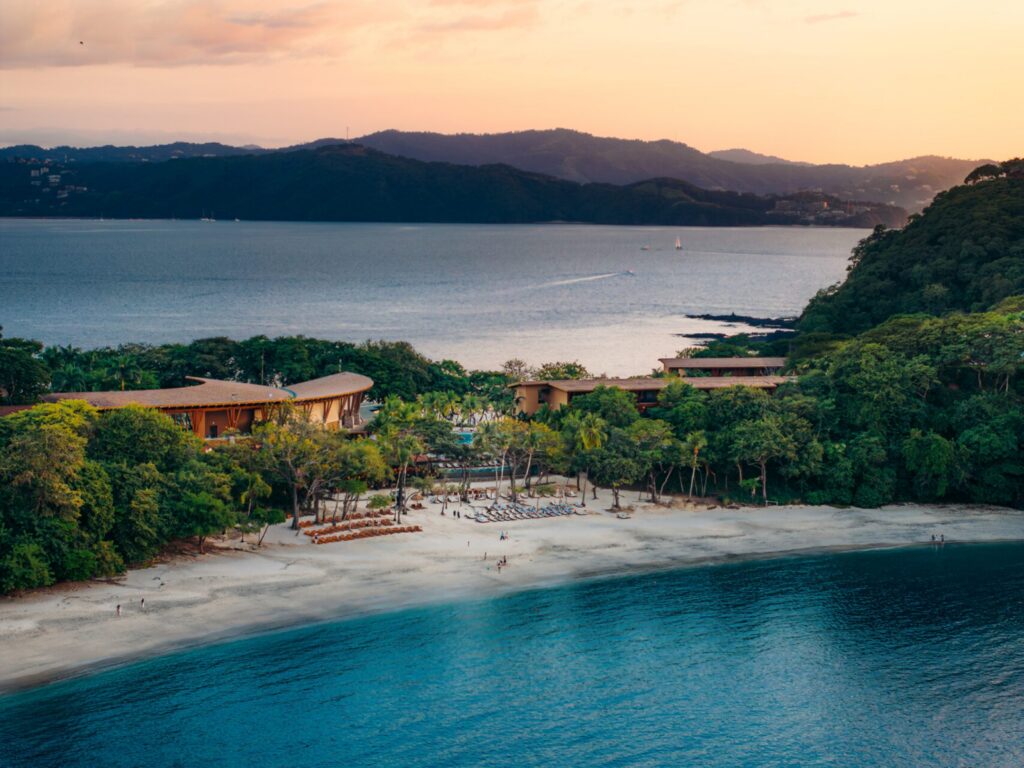
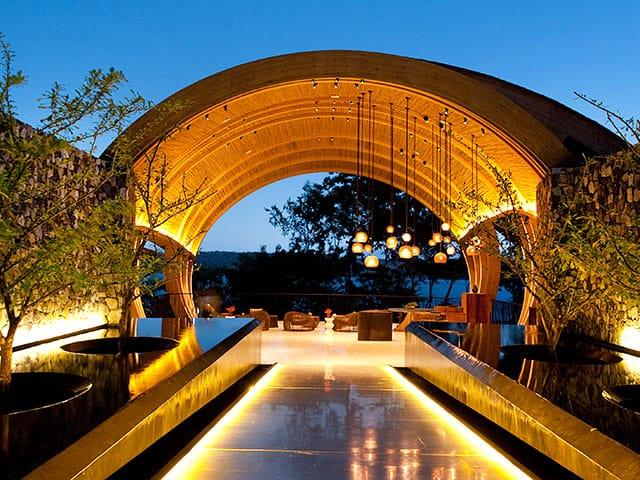
Papagayo Peninsula (North Pacific Coast)
How to think about it:
Papagayo is the most logistically efficient coastal region, anchored by Liberia Airport. It offers a controlled, resort-based experience with minimal friction, making it ideal for clients prioritizing ease and comfort.
From a planning standpoint, this is where you shift from exploration to recovery and relaxation, with optional activities layered in.
What the experience looks like:
- Resort-driven days with beach and pool time
- Optional excursions (boating, snorkeling, golf)
- Evenings centered around the property
Best for: families, shorter trips, first-time Costa Rica visitors
Recommended stay: 3–4 nights
Hotels to consider:
- Four Seasons Resort Costa Rica at Peninsula Papagayo
- Andaz Costa Rica Resort
- Nekajui, a Ritz-Carlton Reserve


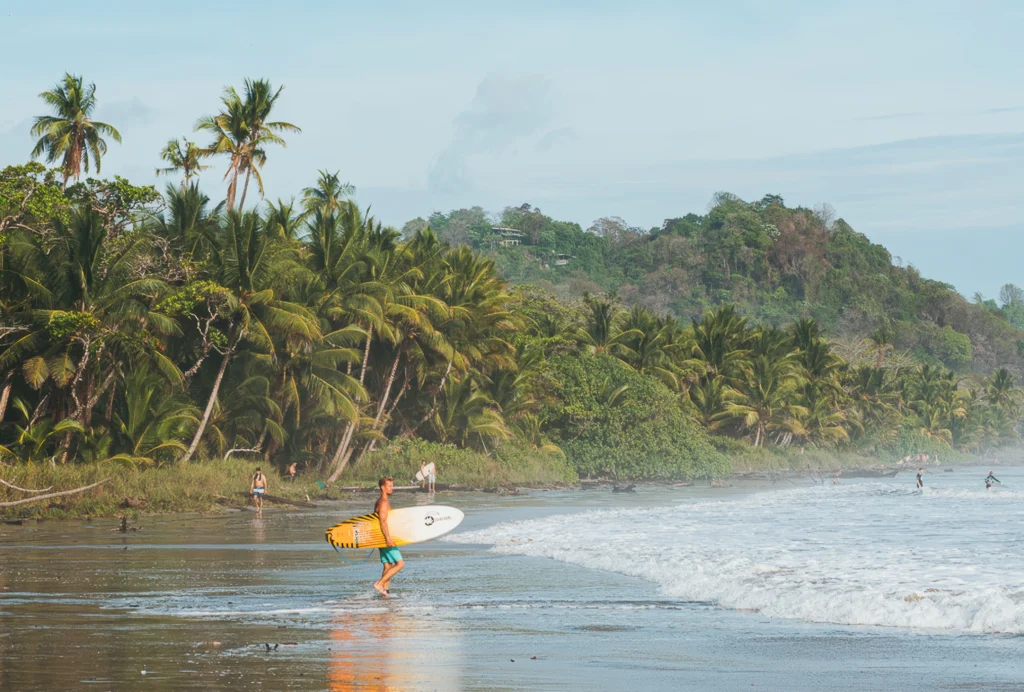
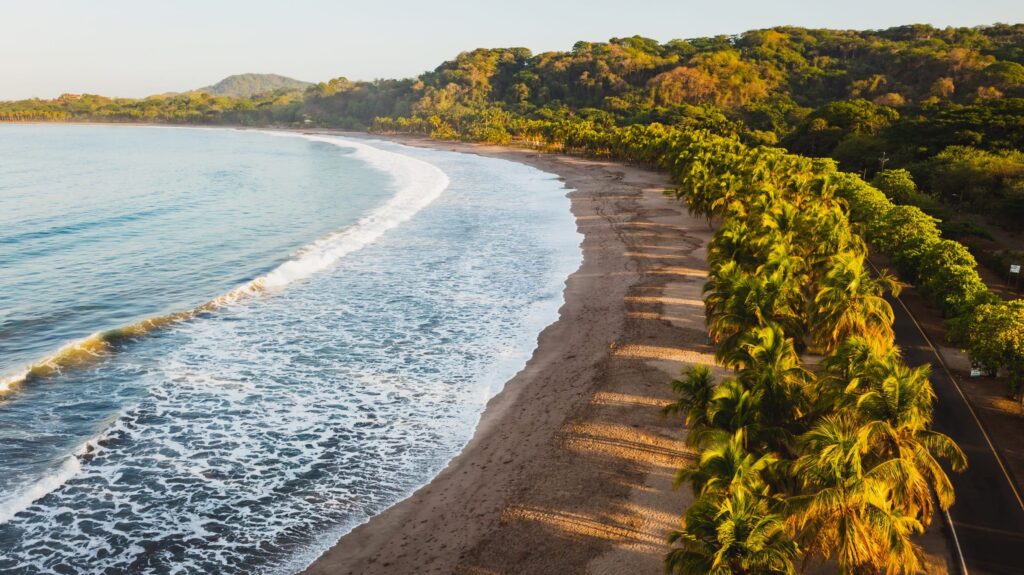
Santa Teresa (Nicoya Peninsula)
How to think about it:
Santa Teresa is less about infrastructure and more about lifestyle. It requires more effort to reach, but that effort filters the experience, attracting travelers who value design, wellness, and independence.
From a planning perspective, this region works best for clients comfortable with less structure and more fluid days.
What the experience looks like:
- Beach and surf culture
- Yoga, wellness, and casual dining
- A more informal, design-forward atmosphere
Best for: repeat visitors, younger couples, lifestyle-driven travel
Recommended stay: 3–4 nights
Hotels to consider:
- Nantipa
- Florblanca
- Casa Chameleon Mal País
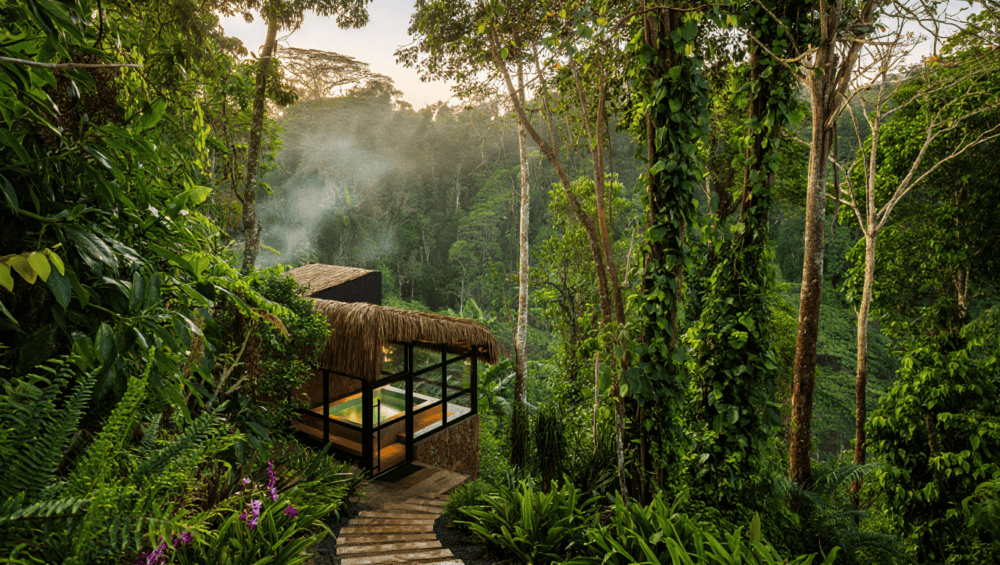
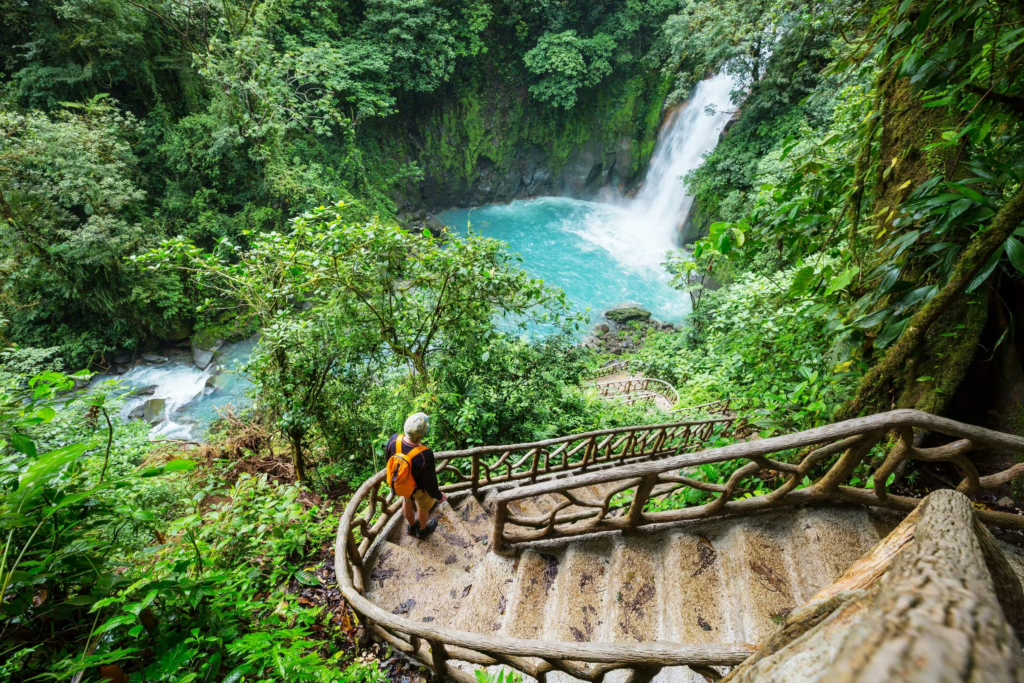
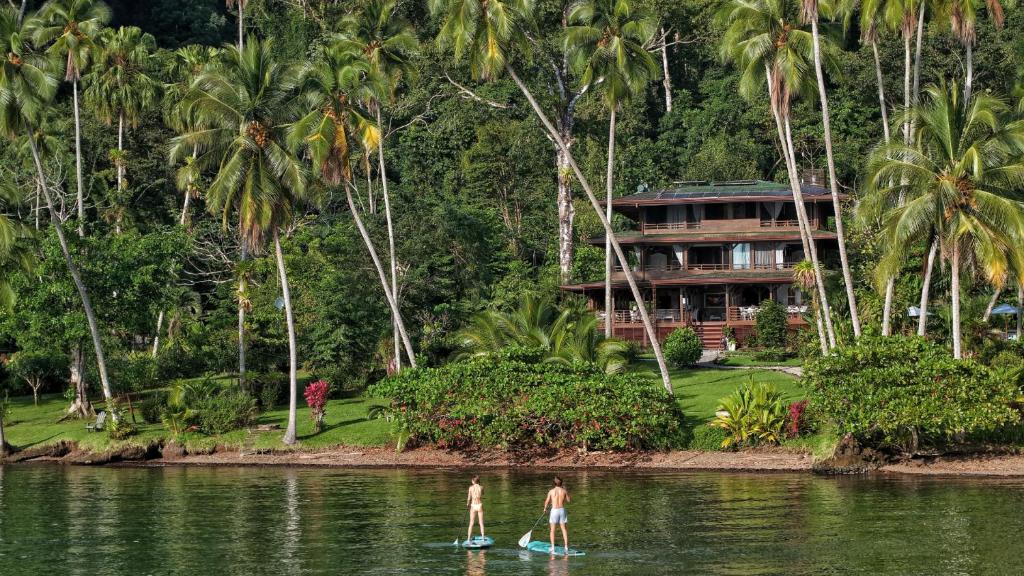
Osa Peninsula (Remote + Nature Immersion)
How to think about it:
The Osa Peninsula is the most remote and ecologically rich region in Costa Rica. It operates on a lodge-based model, where the property and its surrounding environment define the experience.
From a planning standpoint, this is a commitment destination. Once there, the focus shifts entirely to guided exploration and immersion.
What the experience looks like:
- Daily guided excursions (wildlife, rainforest, marine life)
- Limited connectivity and strong sense of isolation
- Structured days balanced with natural downtime
Best for: nature-focused travelers, experienced explorers
Recommended stay: 3 nights
Hotels to consider:
- Lapa Rios Lodge
- Playa Cativo Lodge
- El Remanso Rainforest Lodge


How to Structure the Trip
The structure of the itinerary directly impacts how the trip feels.
Costa Rica works best when built around contrast, combining one inland region with one coastal destination.
Recommended framework:
- Arenal (2–3 nights) → activity, landscape, guided experiences
- Beach destination (3–4 nights) → rest, open schedule, recovery
For longer trips, a third region can be added, but only if travel time is carefully managed.
What to Know About Logistics
Logistics are often underestimated in Costa Rica.
- Driving times: distances may appear short, but roads and terrain extend travel time
- Transfers: private drivers or domestic flights can significantly improve the experience
- Arrival strategy: avoid stacking long transfers on arrival day
Well-planned logistics reduce fatigue and preserve the intended pace of the trip.



When to Go
Seasonality influences both experience and planning.
- December to April: dry season, most predictable weather, highest demand
- May to November: greener landscapes, more dynamic weather patterns, fewer crowds
Both seasons work well, but expectations should be aligned with conditions.
What Kind of Traveler Is Costa Rica Right For?
Costa Rica is best suited for travelers who:
- Want a balance of activity and relaxation
- Appreciate nature, wildlife, and outdoor environments
- Are open to multi-stop itineraries
- Value experiences over constant movement
It is less suited for travelers seeking:
- Minimal movement with no transfers
- A fully urban or cultural itinerary
The COZY Takeaway
Costa Rica is one of the most rewarding destinations when the structure is right.
The key is not adding more, but choosing well, selecting the right regions, pacing the itinerary correctly, and allowing each environment to be experienced fully.
That’s where the difference is.
If you’re considering Costa Rica, we’ll guide you through the right regions, properties, and structure based on how you like to travel.