
How a handful of family businesses helped shape modern luxury hospitality.
When we think about great hotels, we usually think about architecture, design, or service.
We rarely think about the people behind them.
Yet many of the world’s most respected hotel brands were shaped by visionary founders and families whose influence extends far beyond individual properties. Their decisions have influenced the way destinations are experienced, preserved historic landmarks, introduced new ideas, and helped define what luxury hospitality looks like today.
Each followed a different path, but they all shared one belief: a hotel should reflect the character of its destination rather than simply provide a place to stay.
Preserving Europe’s Grand Hotels
Oetker Collection
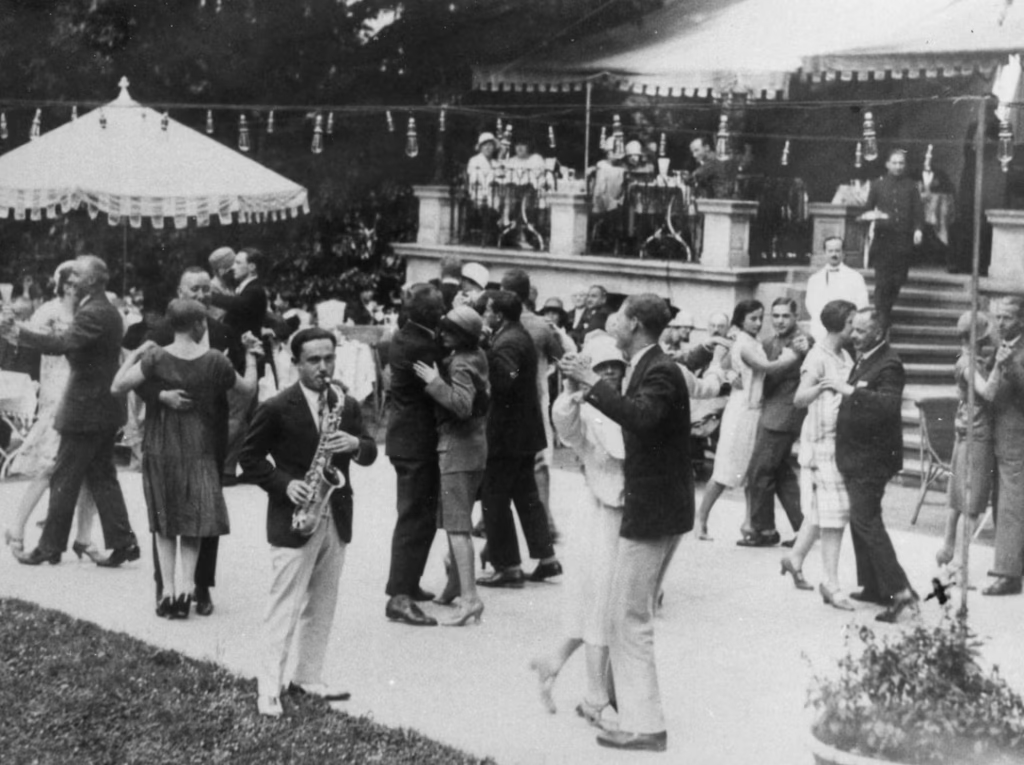
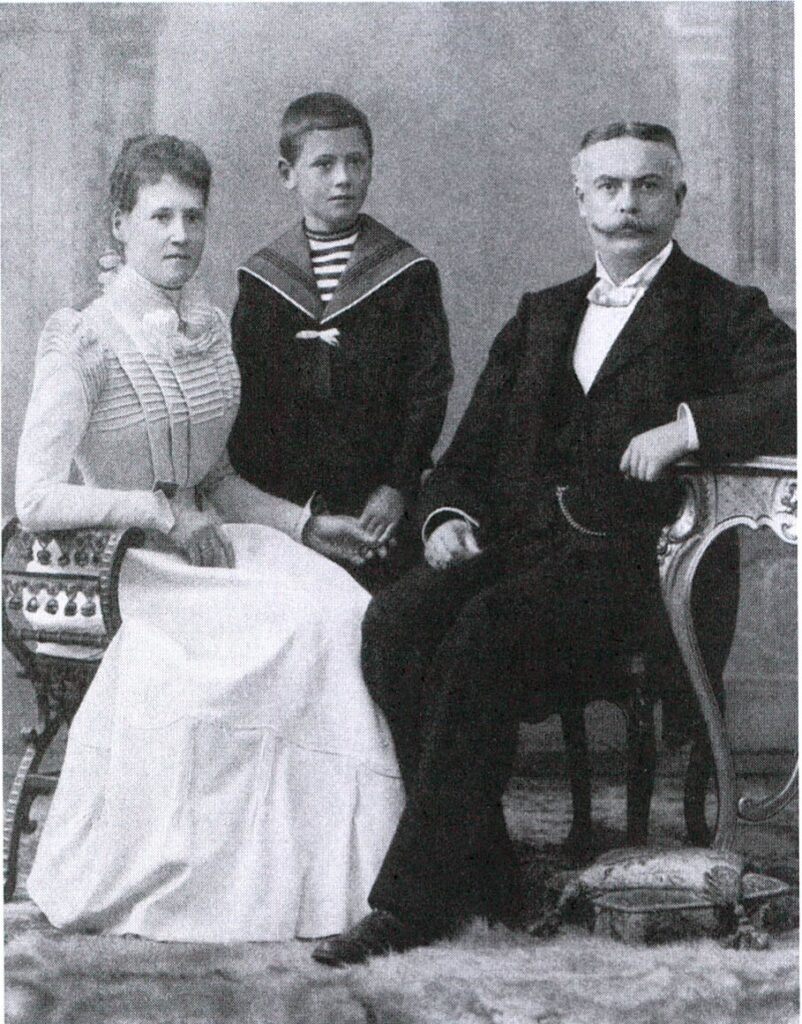
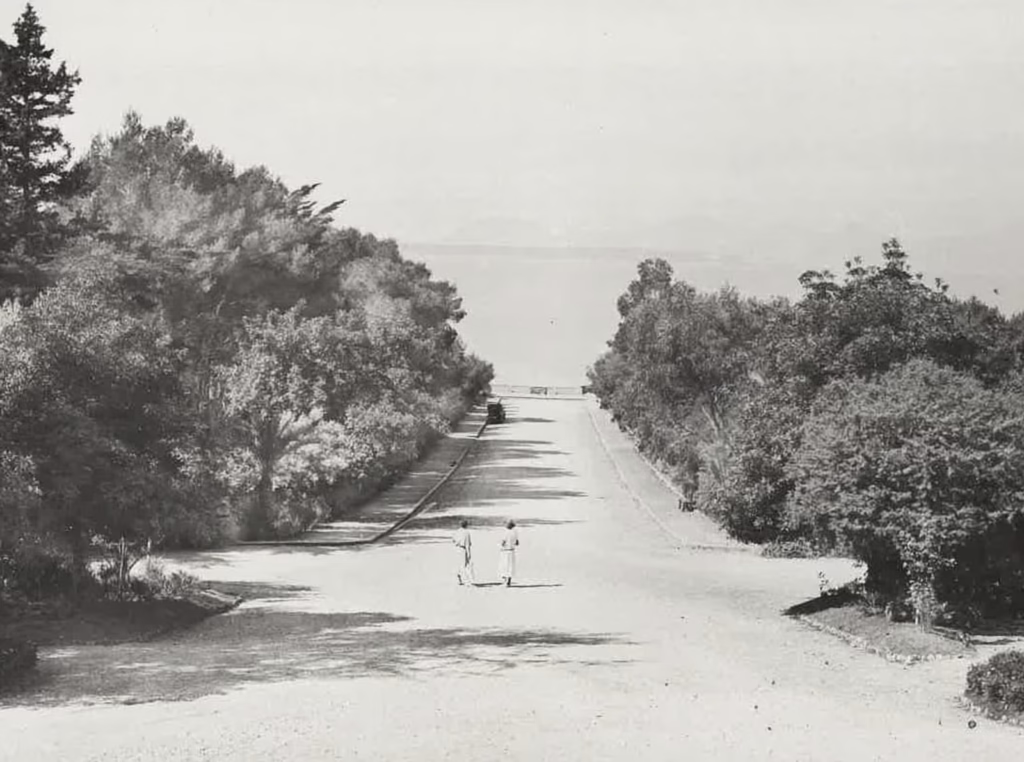
When the Oetker family acquired Hôtel du Cap-Eden-Roc in 1969, they inherited far more than a celebrated hotel. They became custodians of one of Europe’s most iconic hospitality traditions.
Over the following decades, the family assembled a carefully curated collection that includes Le Bristol Paris, Château Saint-Martin & Spa, Brenners Park-Hotel & Spa, The Lanesborough London, and Eden Rock–St Barths.
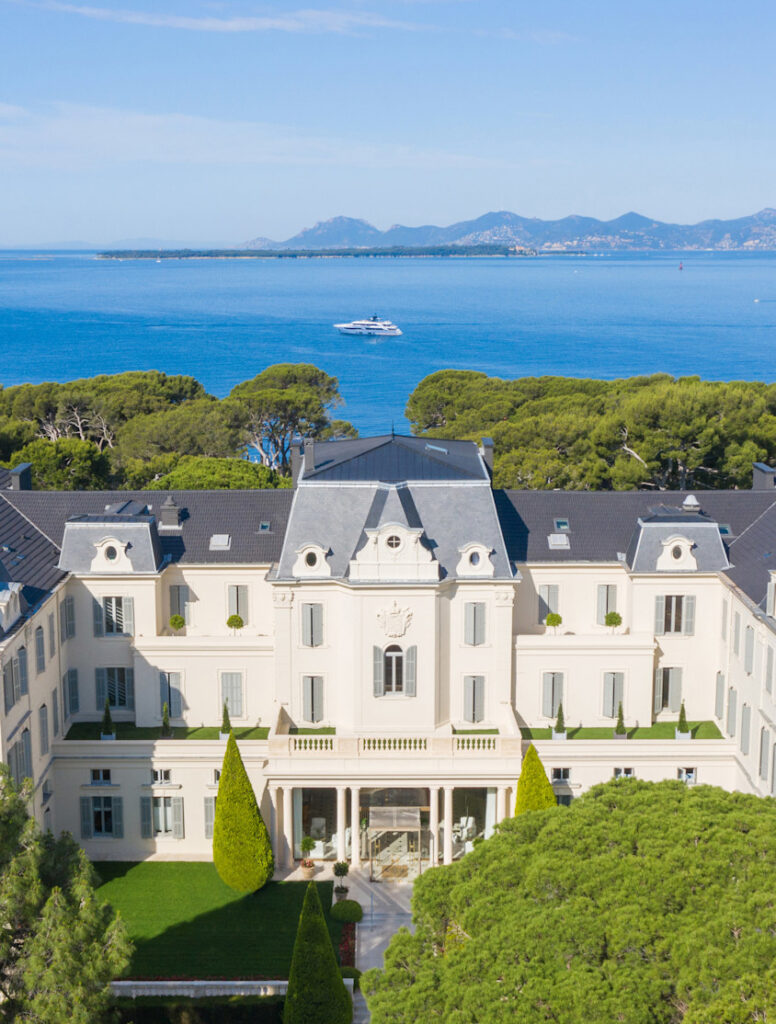
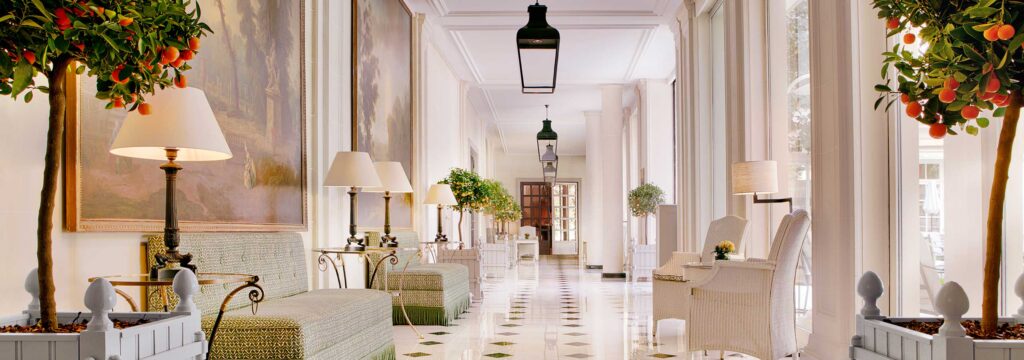
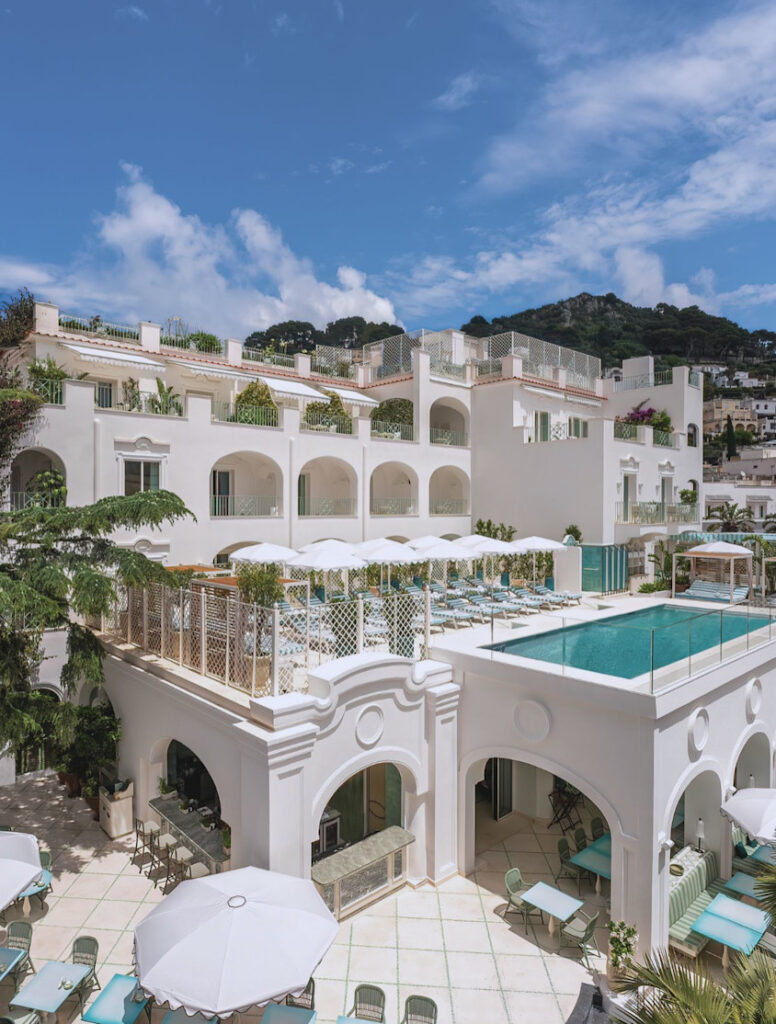
Unlike many luxury groups that expanded rapidly through standardization, Oetker Collection chose a different approach. Every property retained its own identity, history, and personality. Rather than creating hotels that looked alike, the family focused on restoring landmark properties while allowing each one to remain deeply connected to its destination.
Today, Oetker Collection is regarded as one of the finest examples of heritage hospitality, proving that preserving history can be just as valuable as building something new.
Bringing Italian Craftsmanship into Hospitality
Lungarno Collection
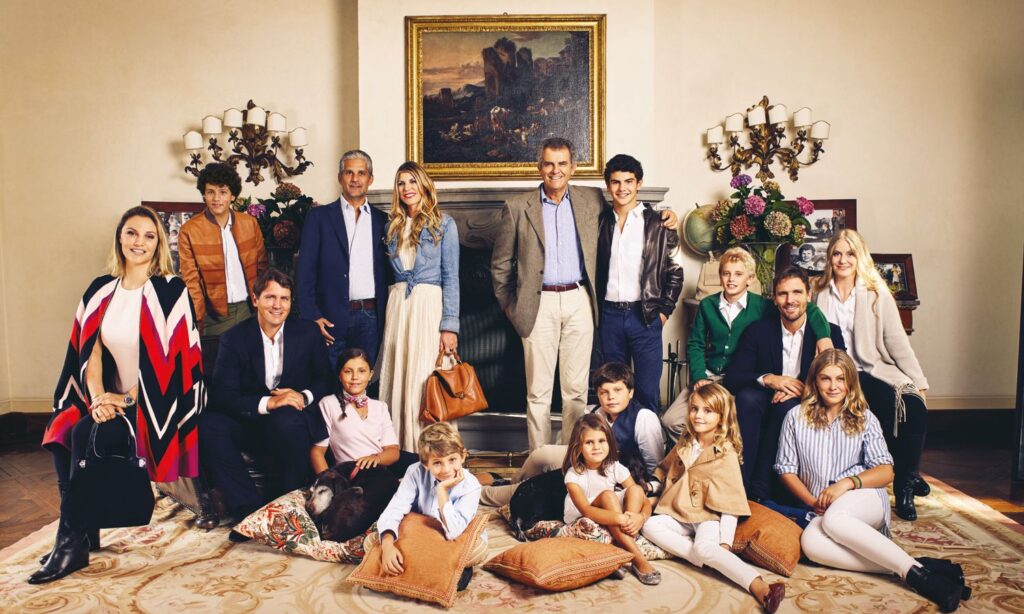
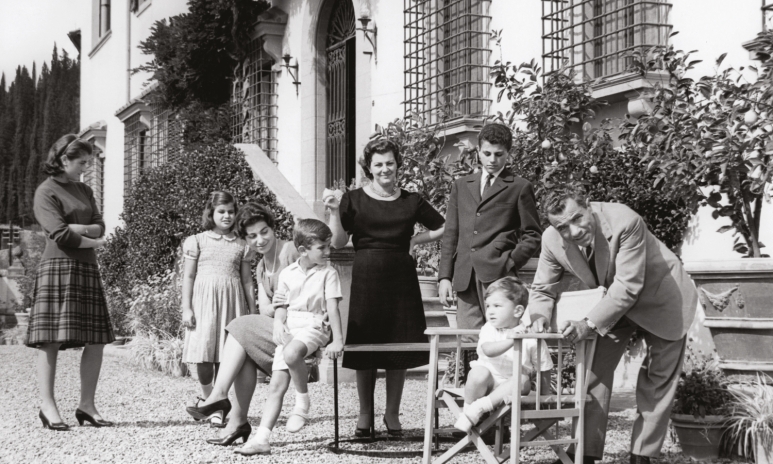
Long before they entered hospitality, the Ferragamo family had earned international recognition for Italian craftsmanship through their fashion house.
When they launched Lungarno Collection in Florence, they applied many of the same principles that shaped their approach to design.
Attention to materials. Respect for craftsmanship. An appreciation for timeless design rather than passing trends.
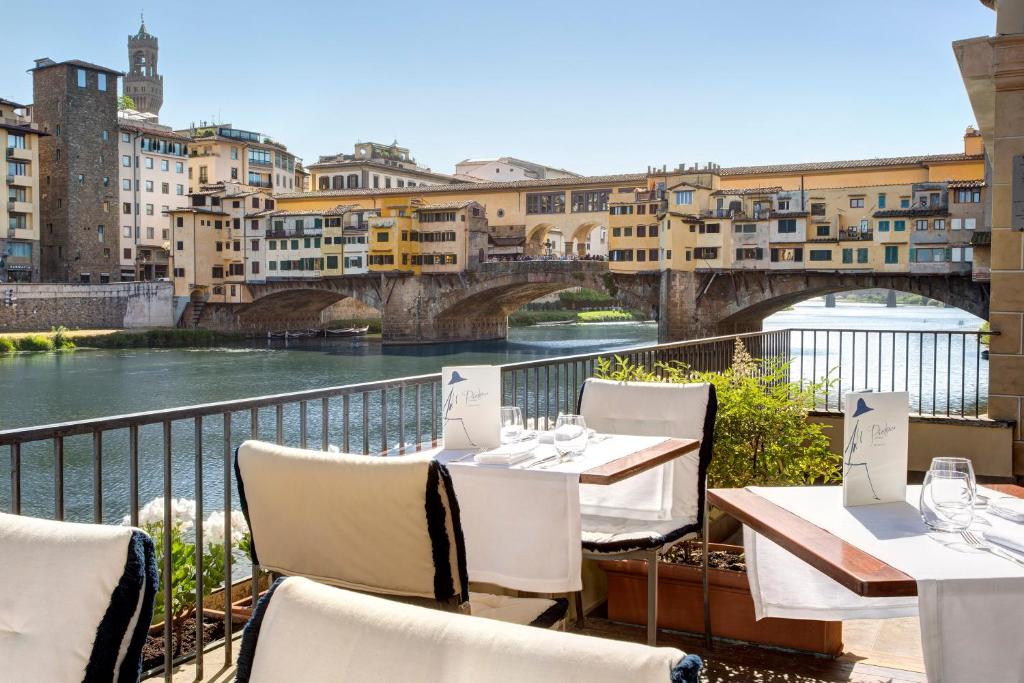
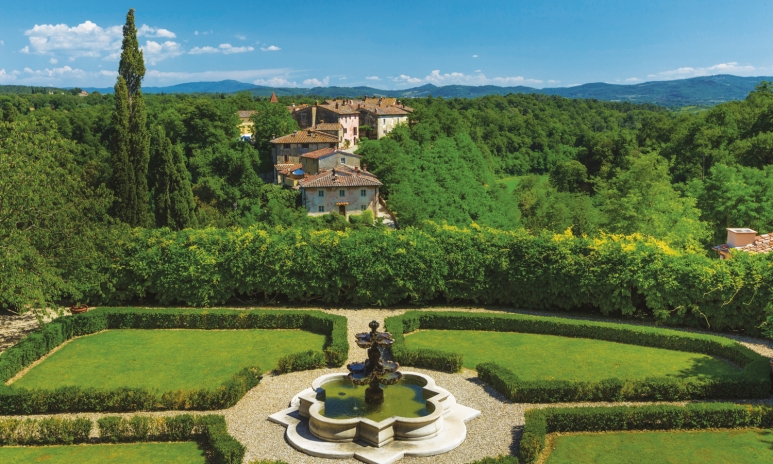
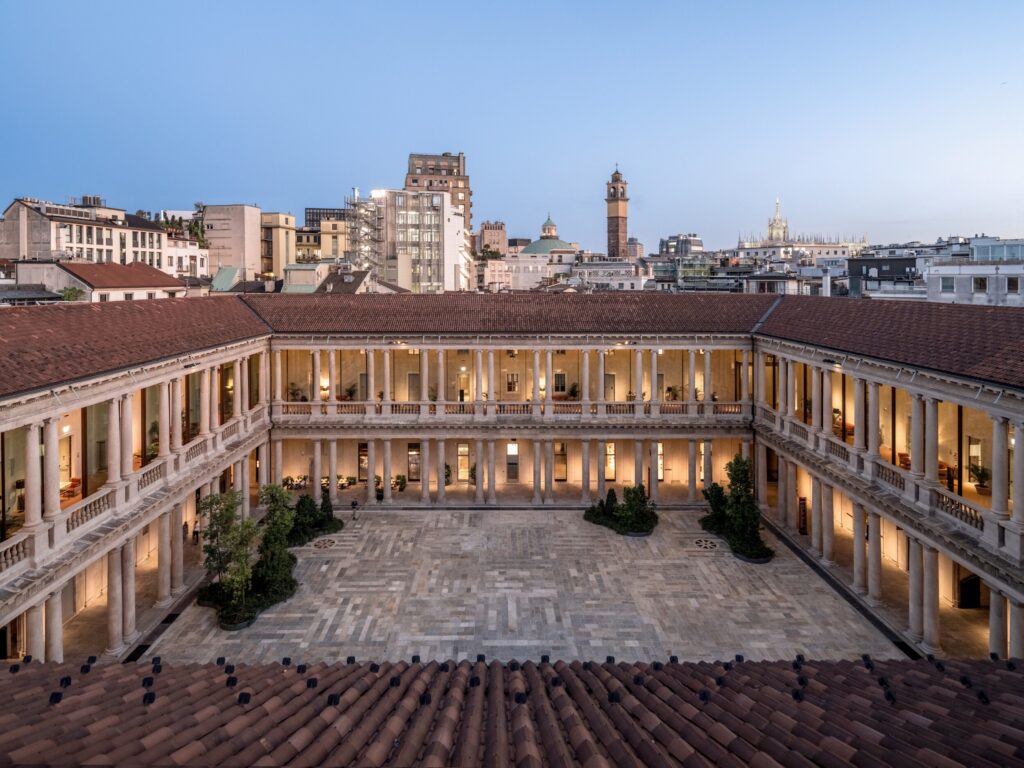
Across the collection, contemporary art sits comfortably alongside Renaissance architecture. Hotels overlook the Arno River, celebrate local artists, and embrace Florence’s identity instead of trying to recreate an international luxury formula.
Rather than transporting guests away from the city, Lungarno encourages them to experience Florence through an unmistakably Italian perspective.
A Name That Defined Venetian Hospitality
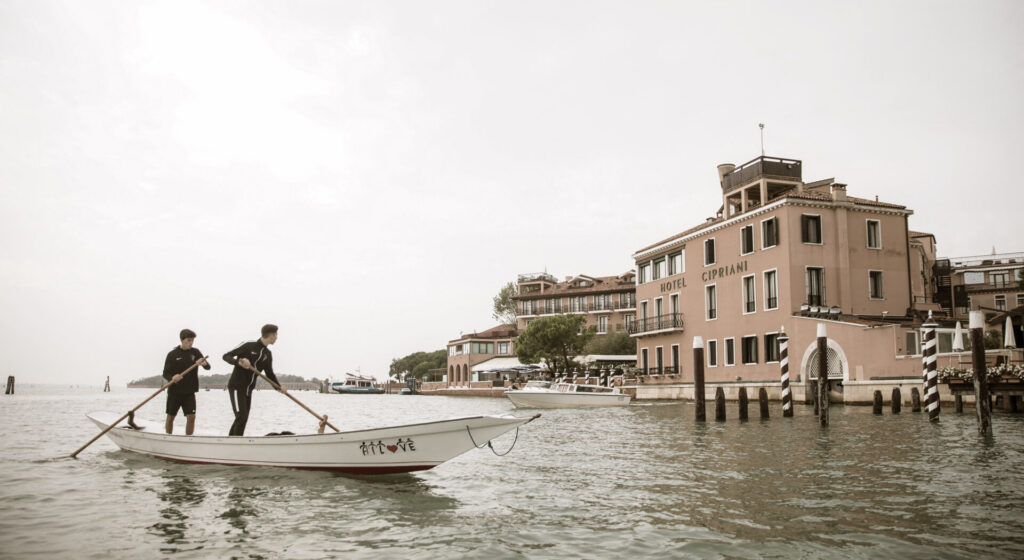
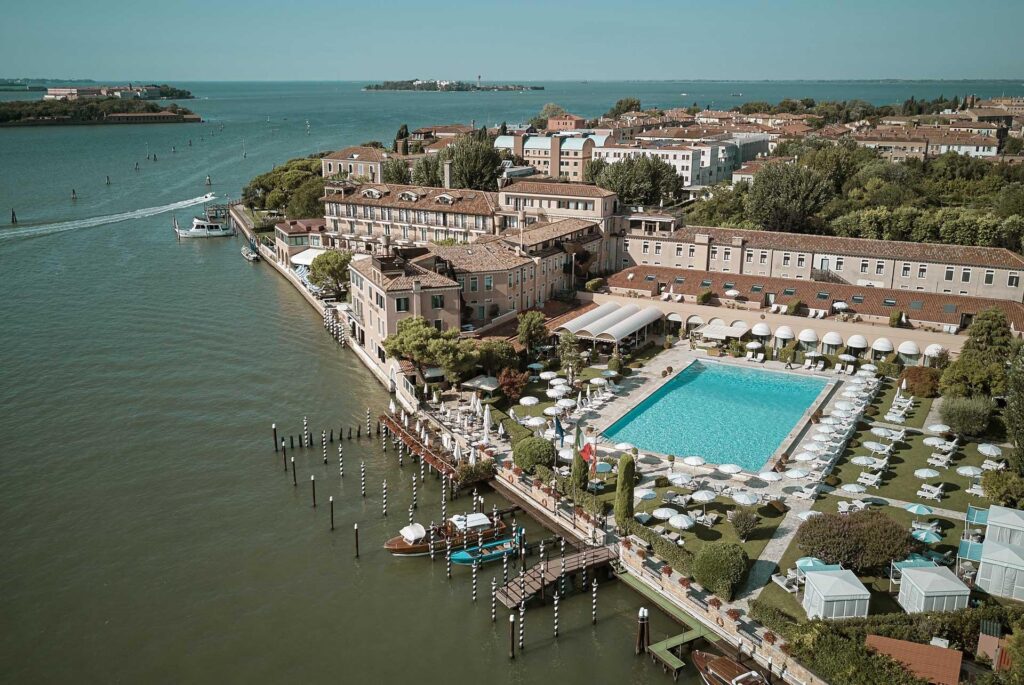
Cipriani
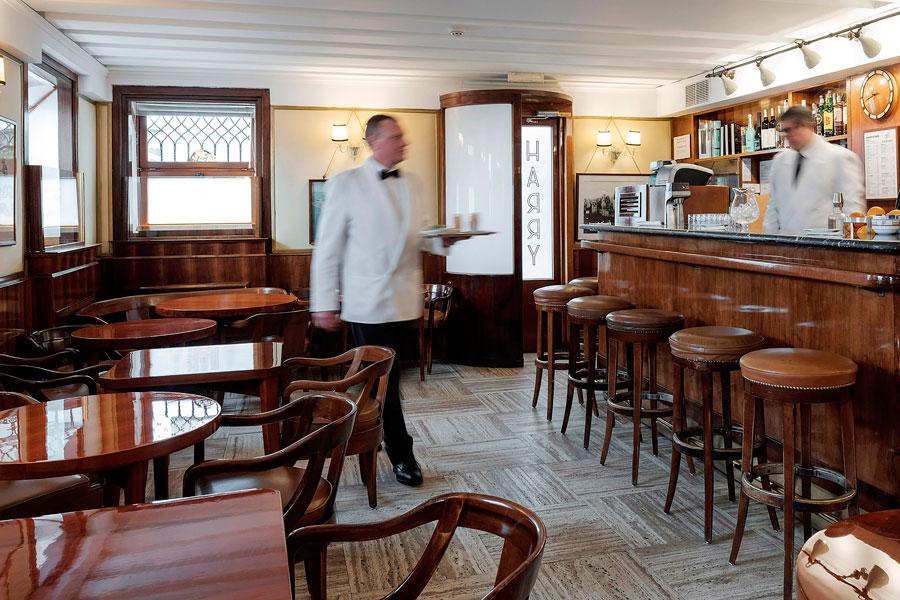
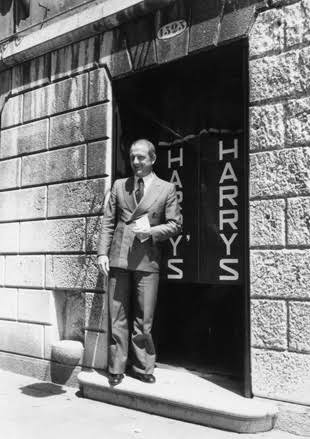
The Cipriani story began long before the famous hotel.
In 1931, Giuseppe Cipriani opened Harry’s Bar in Venice, a small restaurant that would become one of the world’s most celebrated dining institutions. It welcomed Ernest Hemingway, Charlie Chaplin, Peggy Guggenheim, Truman Capote, and generations of artists, royalty, and international travelers.
It was also where the Bellini cocktail and the dish now known as Carpaccio were created.
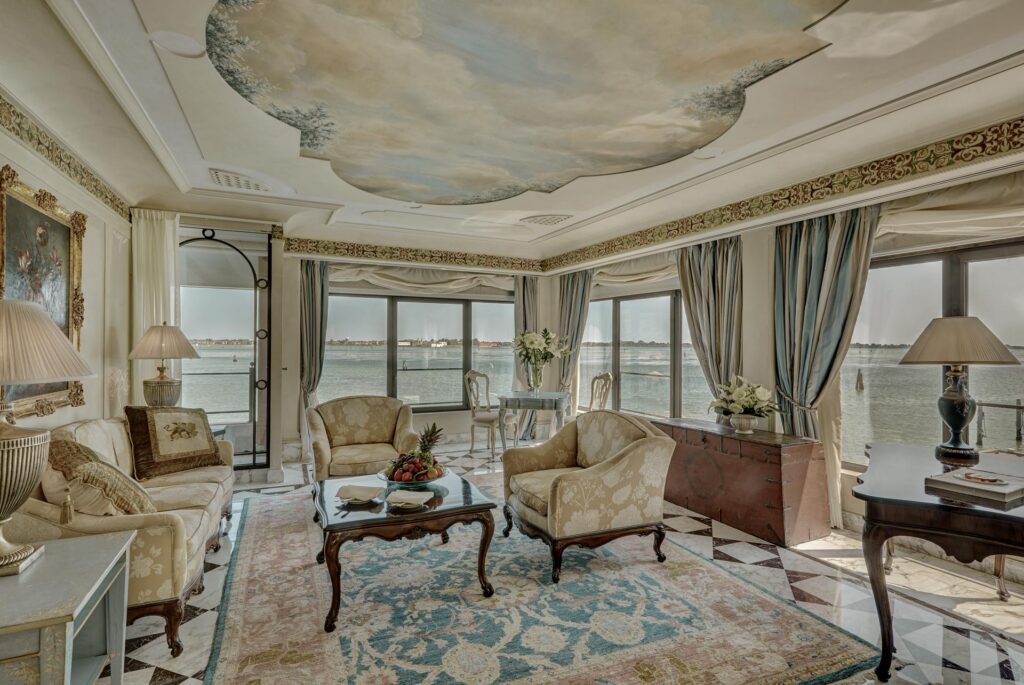
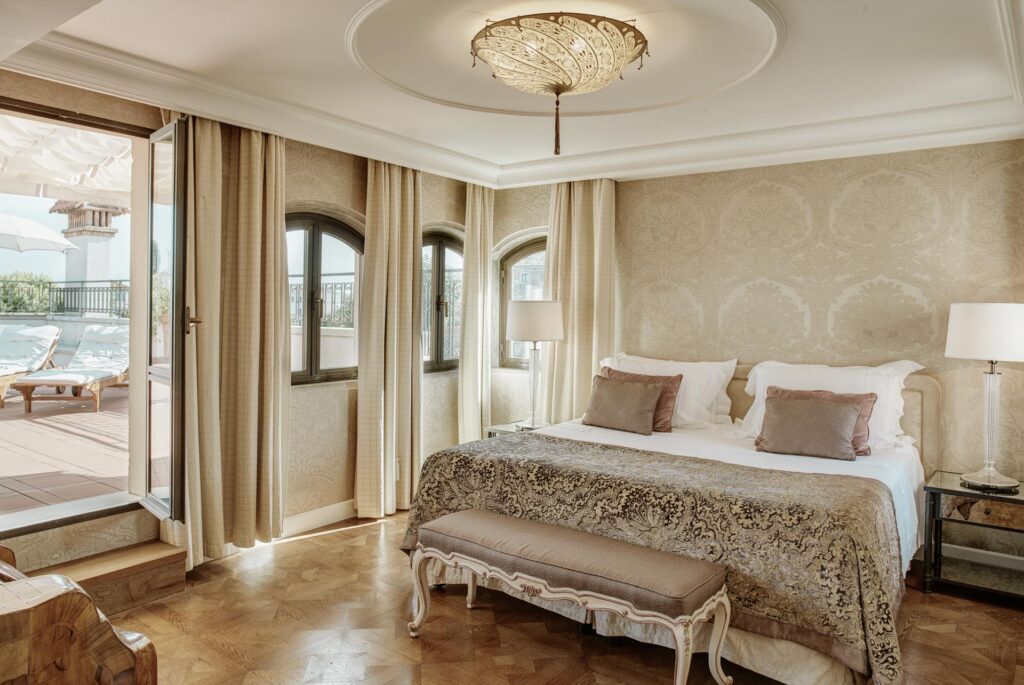
Those same values, warm service, exceptional food, and understated elegance, later inspired Hotel Cipriani.
Although the hotel is now part of Belmond, the Cipriani name remains synonymous with Venetian hospitality and continues to represent a style of service that has influenced luxury hotels around the world.
Inventing the Destination Resort
Kerzner
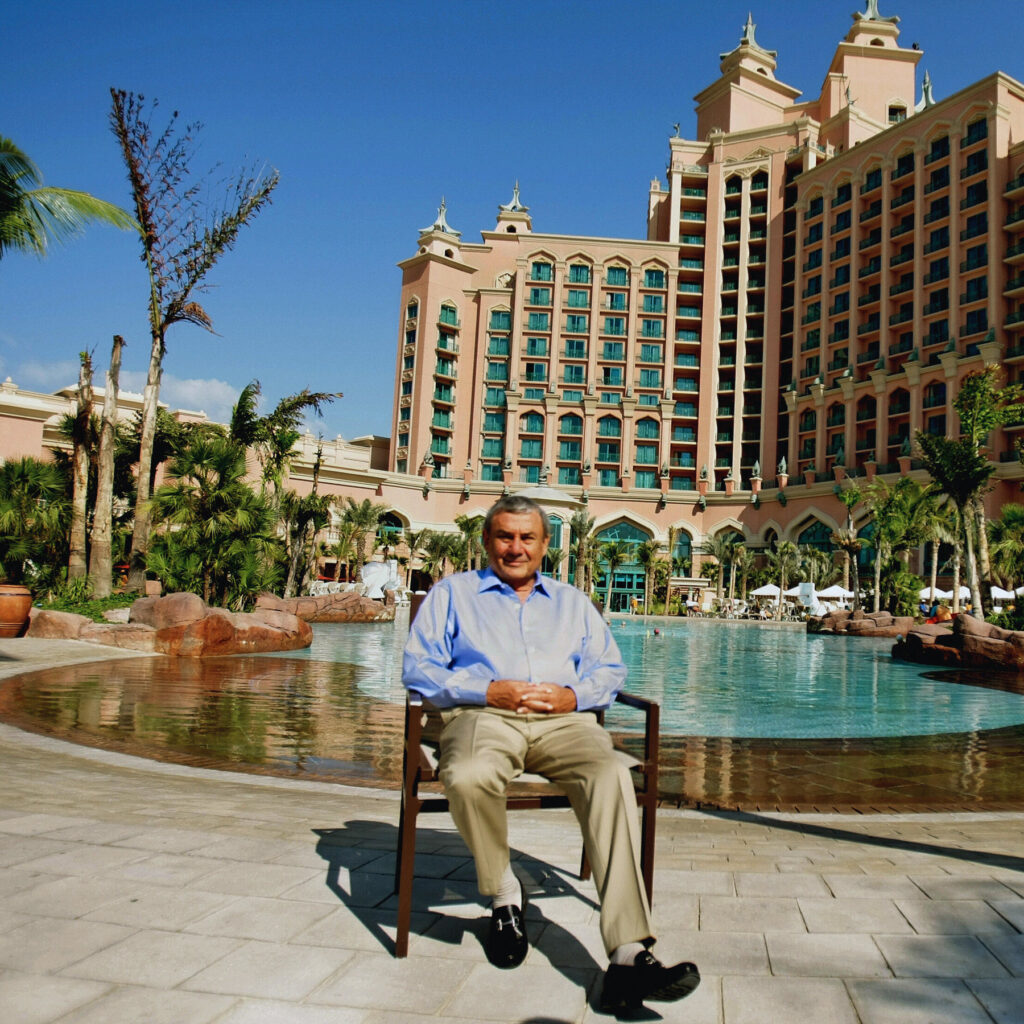
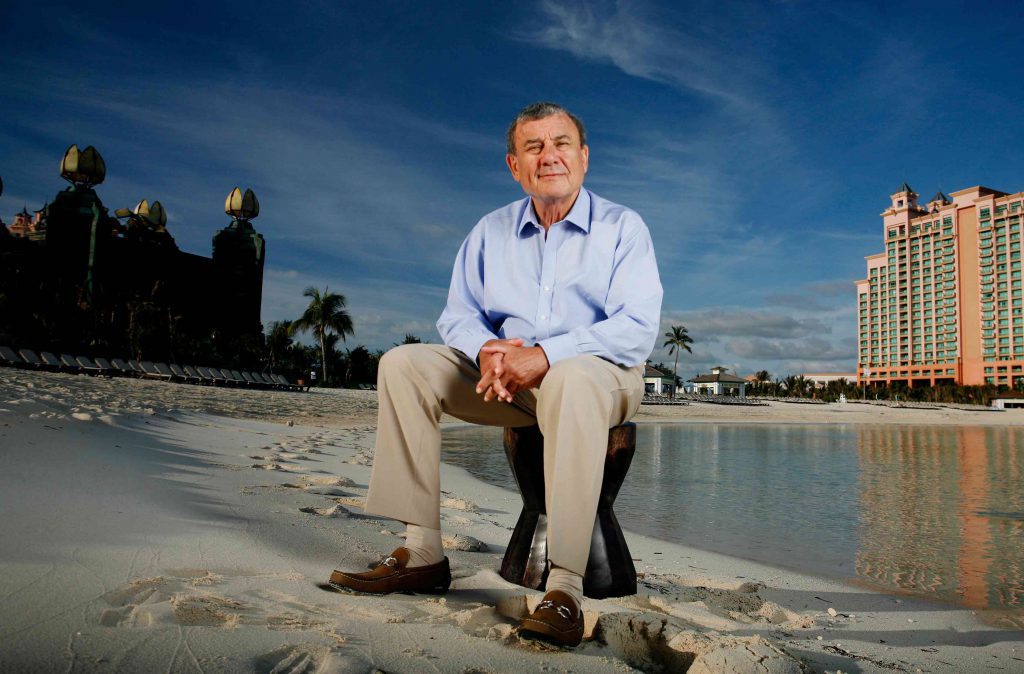
Few people have changed modern resort travel more than Sol Kerzner.
Beginning with Sun City in South Africa before creating Atlantis Paradise Island and later One&Only Resorts, Kerzner introduced a new idea to luxury hospitality.
A resort could become the destination itself.
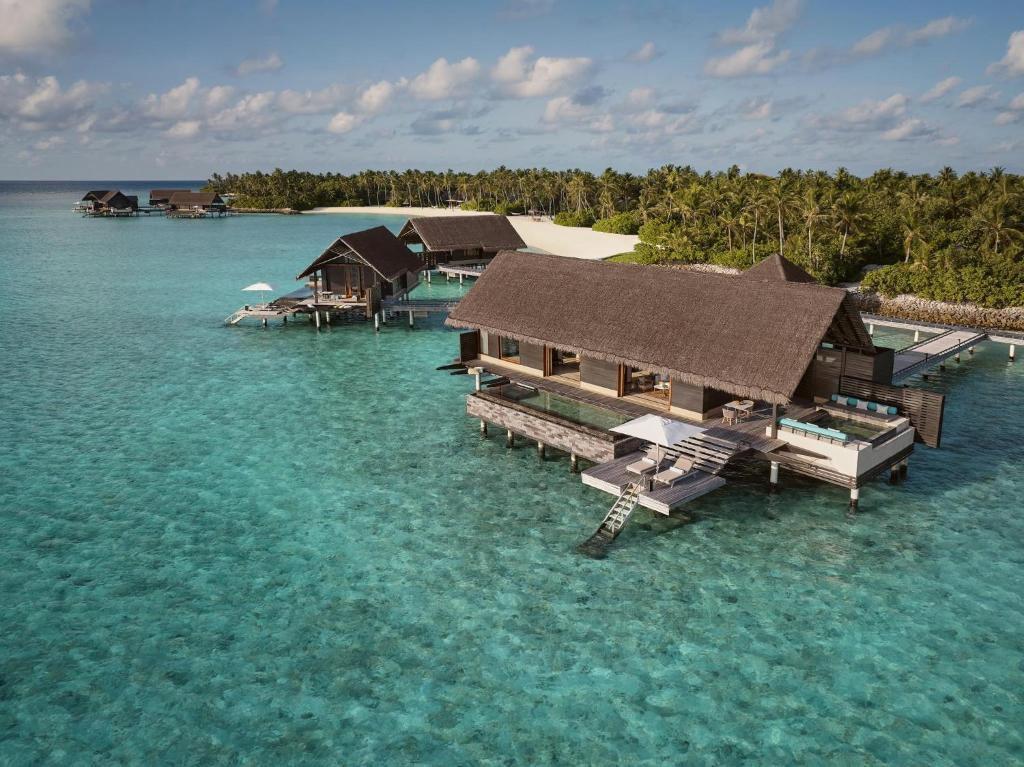
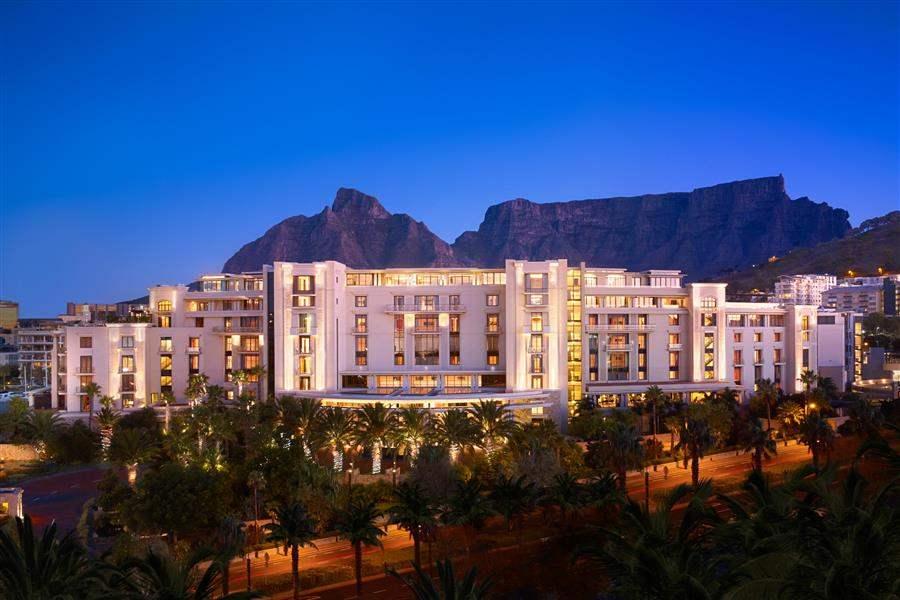
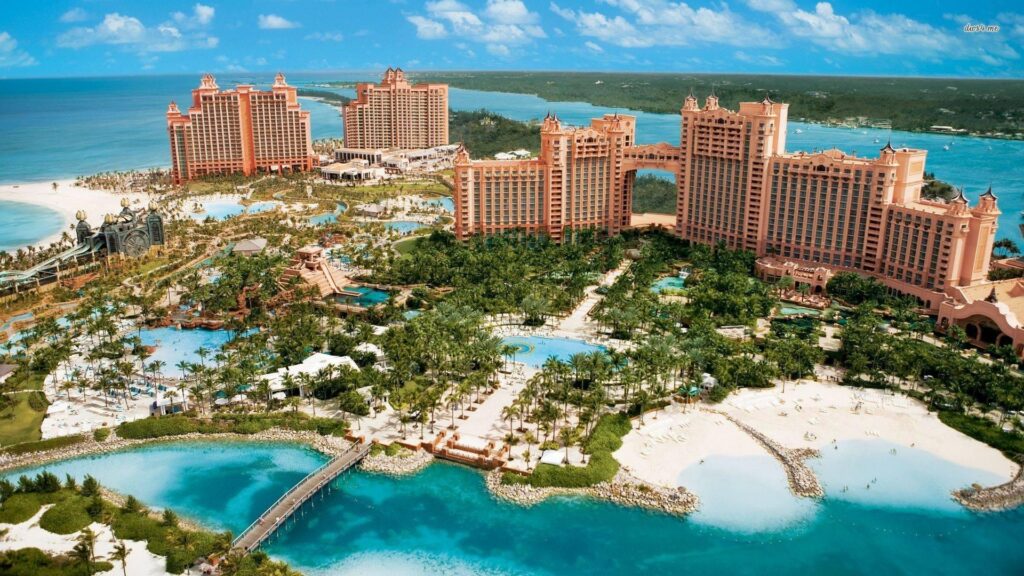
His developments combined architecture, dining, entertainment, wellness, marine experiences, and recreation on a scale few had attempted before. Guests no longer visited simply for a hotel room. They traveled specifically to experience the resort.
Today, destination resorts around the world continue to build upon the model Kerzner helped pioneer.
Hospitality with a Sense of Place
Capella Hospitality
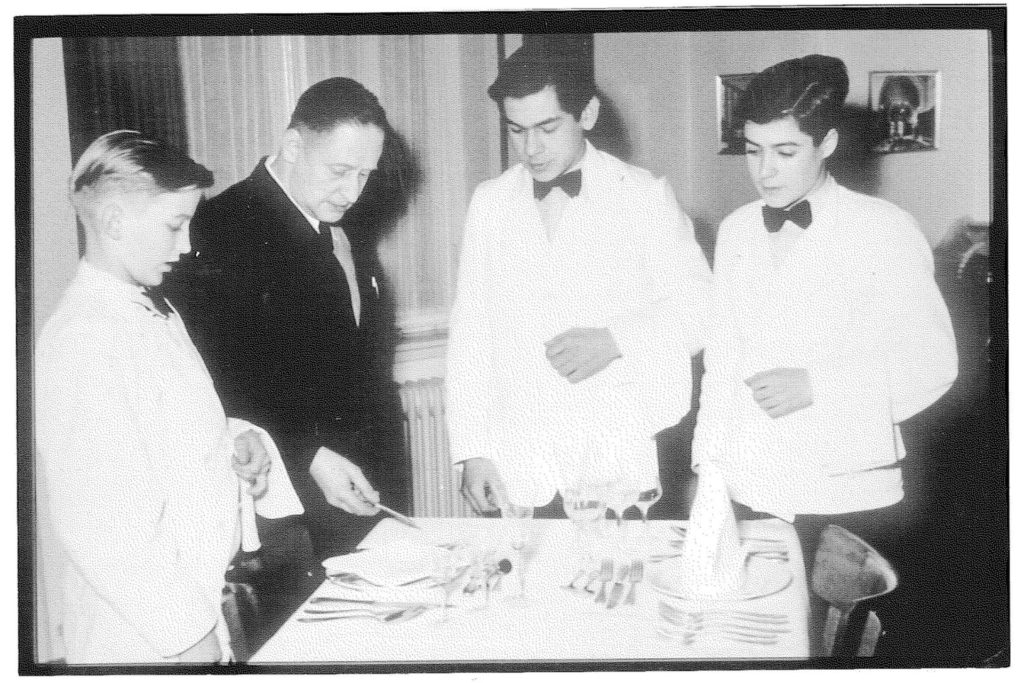

Compared to many historic hotel groups, Capella represents a more recent chapter in luxury hospitality.
Its foundation was shaped by Horst Schulze, one of the industry’s most influential hoteliers, whose career helped define modern luxury service. After playing a pivotal role in building The Ritz-Carlton into one of the world’s most respected hotel brands, Schulze brought that same commitment to personalized hospitality to Capella.
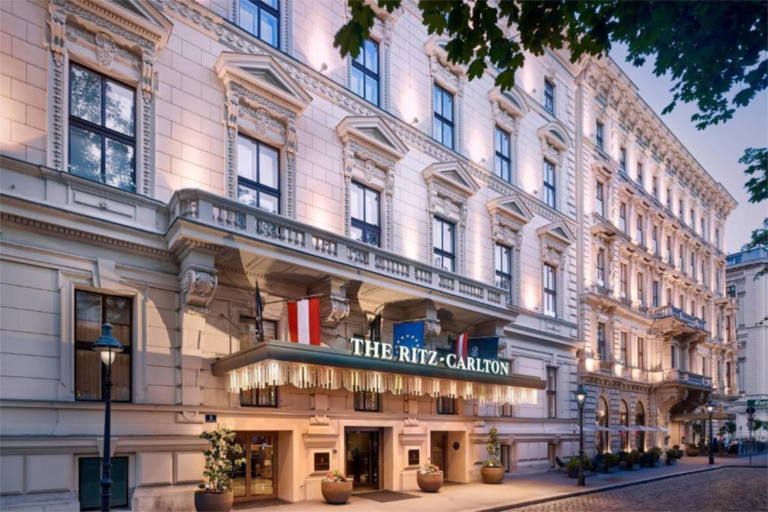
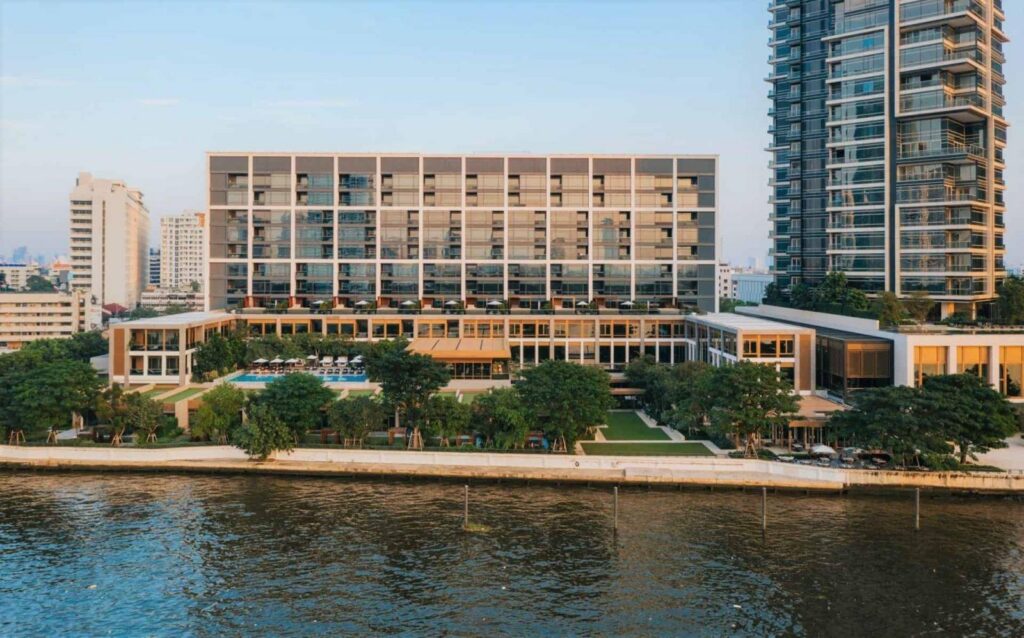

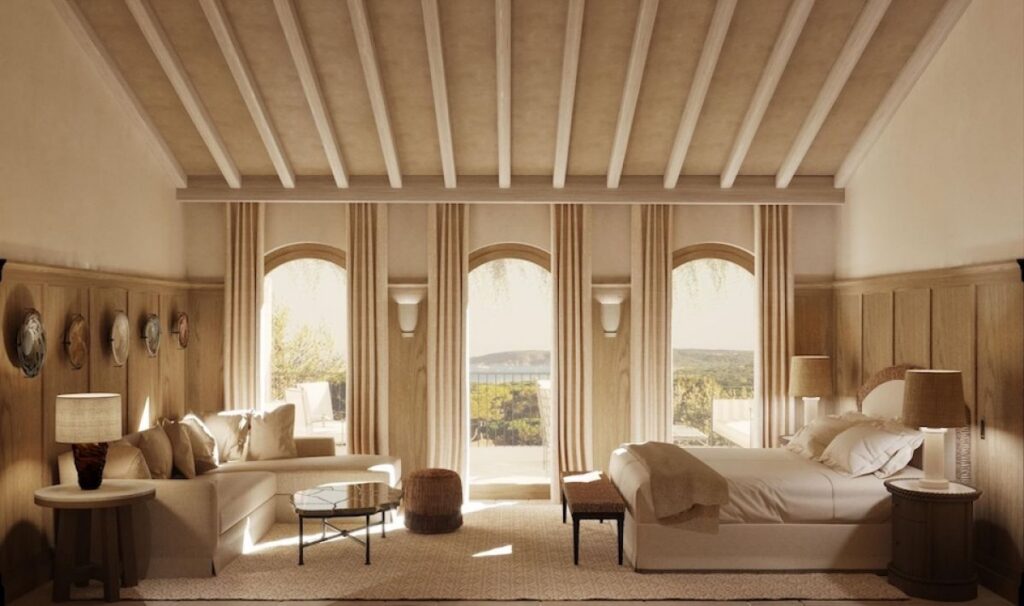
Rather than focusing on scale, Capella built its reputation through a carefully selected portfolio of hotels deeply connected to their destinations. Properties such as Capella Ubud, Capella Bangkok, and Capella Sydney demonstrate that thoughtful design, local culture, and highly personalized service can be more memorable than size alone.
The brand reflects a growing shift in luxury travel, where authenticity and meaningful experiences have become just as important as traditional notions of luxury.
The People Behind the Hotels
Great hotels are shaped long before the first guest arrives.
Behind many of the world’s most respected properties are people whose ideas continue to influence hospitality decades later. They have restored historic landmarks, celebrated local craftsmanship, introduced new approaches to luxury, and created hotels that have become part of the identity of their destinations.
Understanding these stories changes the way we experience the hotels themselves. We begin to notice not only the architecture or the service, but the philosophy behind them.
If you’re looking to experience the hotels that have helped shape luxury hospitality, our team would be delighted to introduce you to the people, places, and stories behind them, and craft a journey that’s as meaningful as it is memorable.
Stay COZY.