
How a handful of visionary hotels transformed overlooked places into some of the world’s most compelling journeys.
Every year, travelers flock to places that seem impossible to miss. The Maldives. Patagonia. Southern Utah. Rwanda.
It’s easy to assume these destinations have always occupied a place on the luxury travel map.
In several cases, a single hotel helped change the conversation. It introduced a new way of experiencing a place, attracted a different kind of traveler, and inspired others to follow. Over time, the hotel became inseparable from the destination itself.
The most influential hotels don’t simply respond to demand. They reveal overlooked landscapes, celebrate local culture and inspire travelers to venture beyond the destinations they already know.
The result is something rare. The hotel becomes more than a place to stay. It becomes the reason to go.
A Desert That Became a Destination
For decades, southern Utah was primarily seen as a gateway to some of America’s most spectacular national parks. Travelers visited Zion, Bryce Canyon, and Lake Powell before continuing on to their next stop.
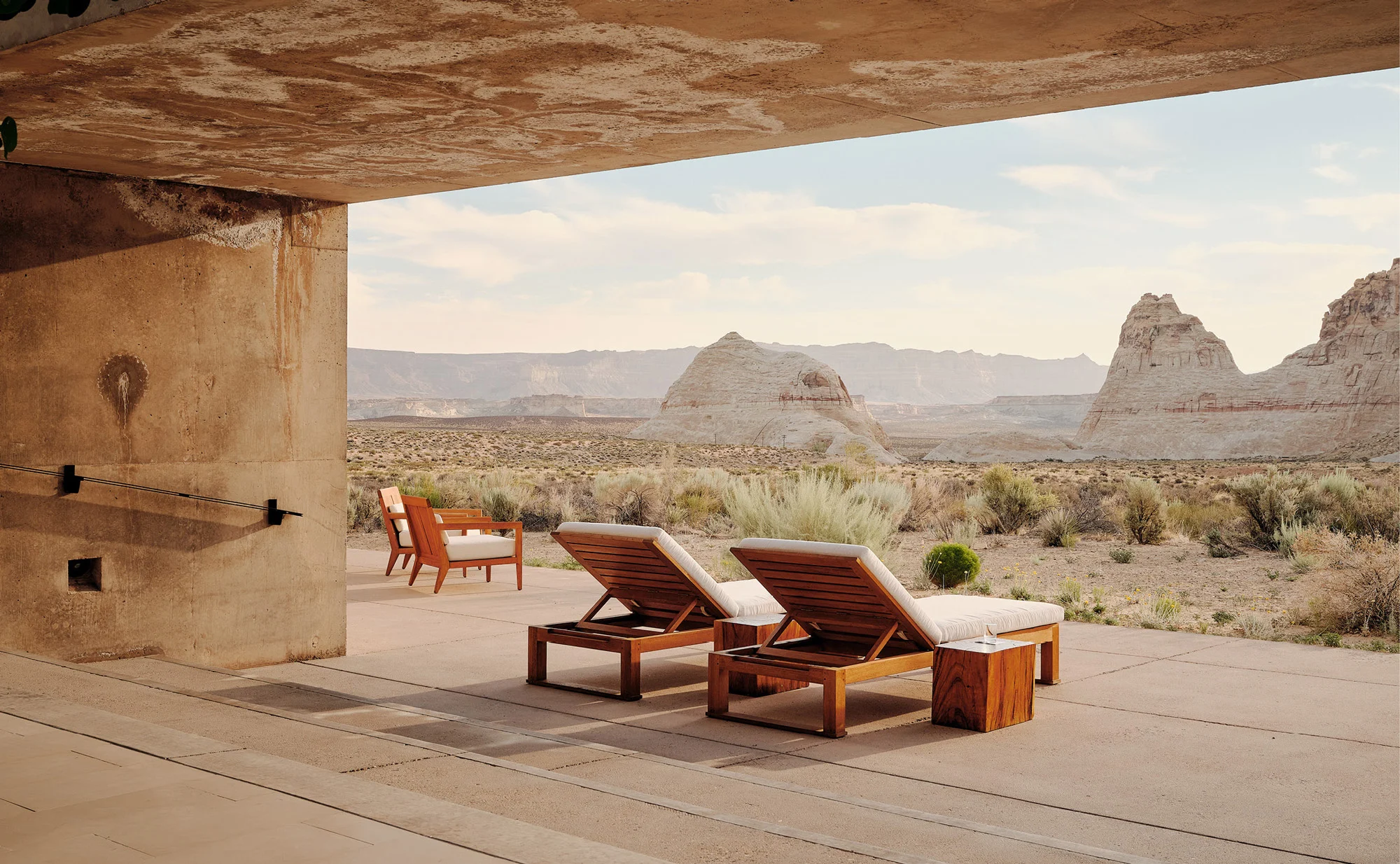
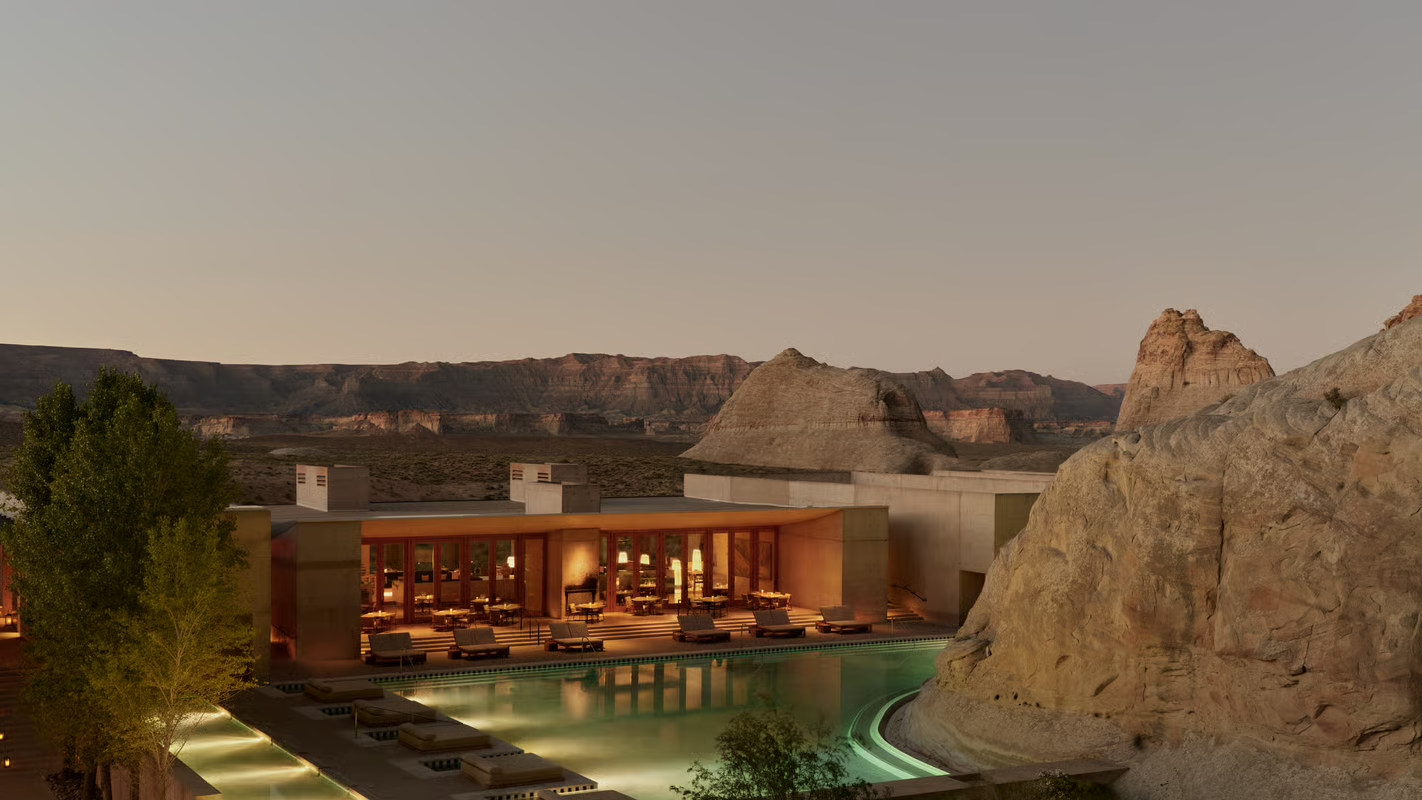
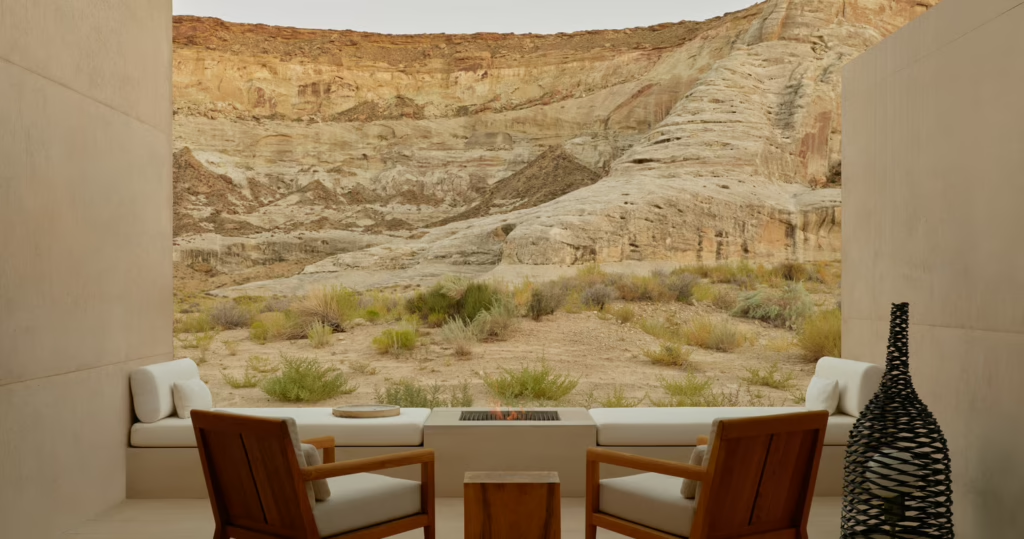
Then, in 2009, Amangiri opened quietly among the sandstone mesas outside Canyon Point.
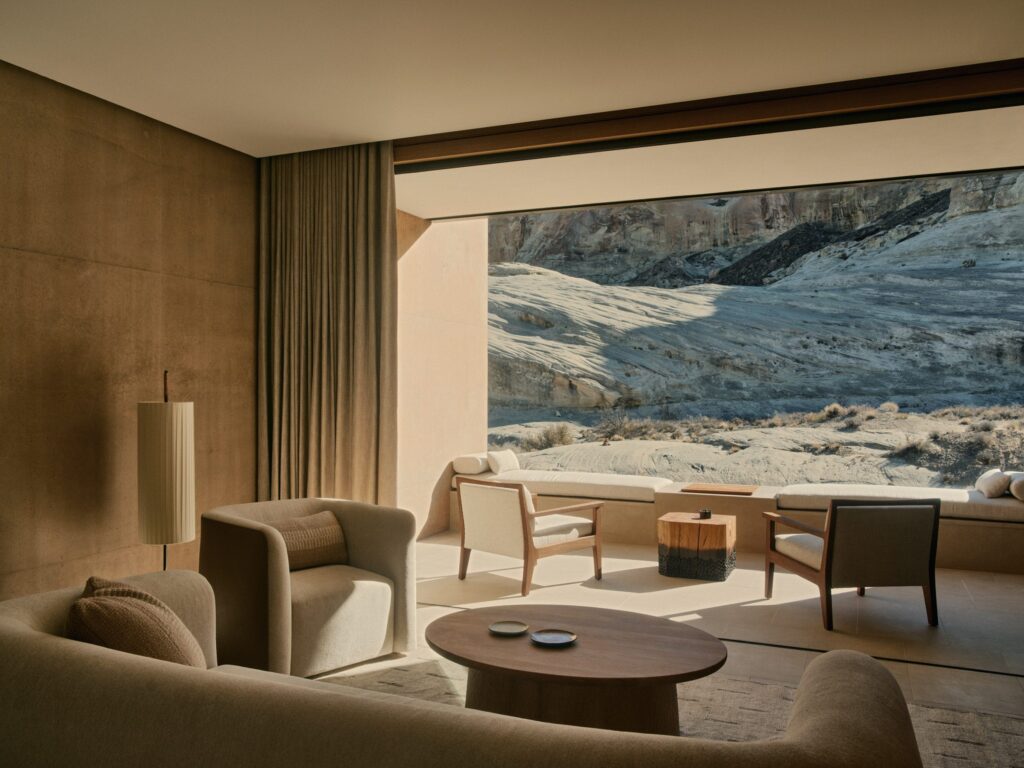
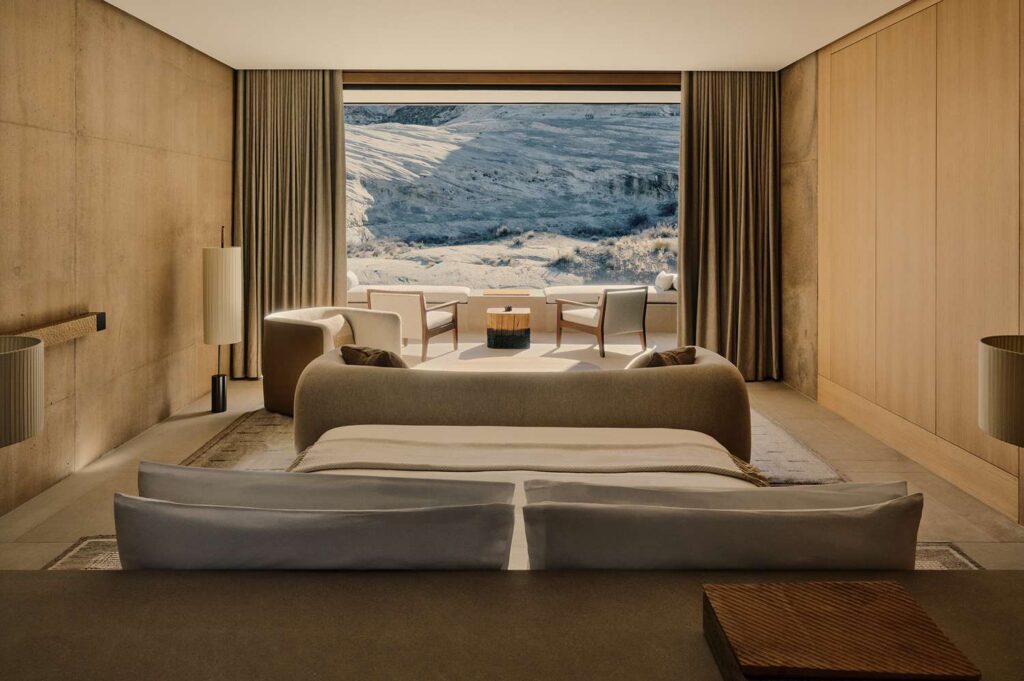
Rather than competing with the landscape, the resort embraced it. Its architecture was built around ancient rock formations, using concrete, natural stone, and expansive open spaces that mirror the surrounding desert. Every element encourages guests to slow down and experience the silence, scale, and beauty of the American Southwest.
Today, southern Utah is firmly established as one of North America’s most sought-after luxury destinations. While its landscapes have always been extraordinary, Amangiri helped introduce the region to a new generation of travelers who began seeing the desert not as a stop along the journey, but as the destination itself.
Hospitality as a Community Investment
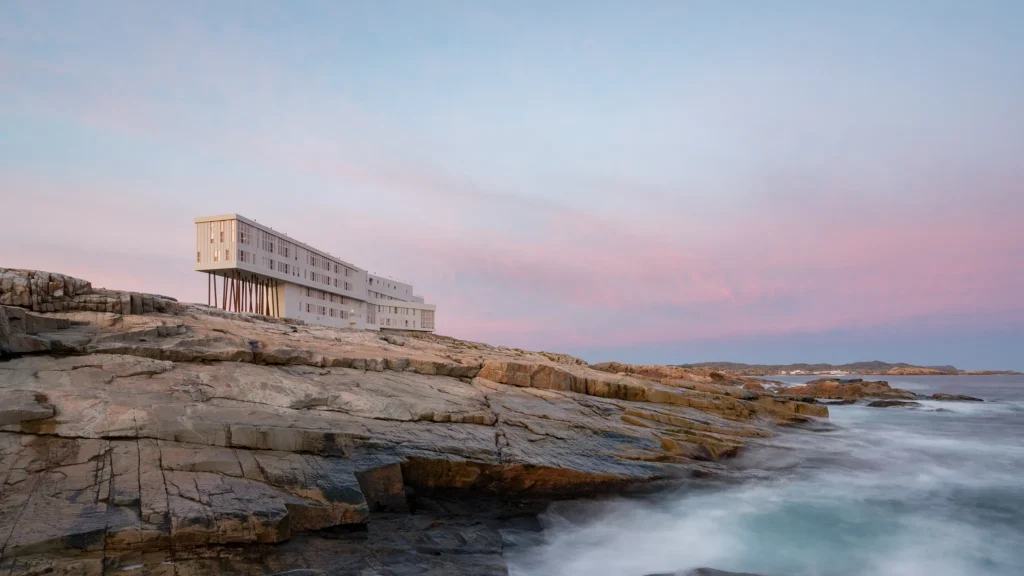
Thousands of miles away, on Fogo Island off the northeastern coast of Newfoundland, another hotel transformed not only tourism, but an entire community.
When Fogo Island Inn opened in 2013, it wasn’t created simply to attract visitors. It was conceived as part of a broader vision to preserve local culture while generating long-term economic opportunities for island residents.
The inn reflects the island in every detail. Furniture is handcrafted by local artisans. Quilts are stitched using traditional techniques. Artwork celebrates generations of creativity, and many of the people welcoming guests have spent their lives on the island.
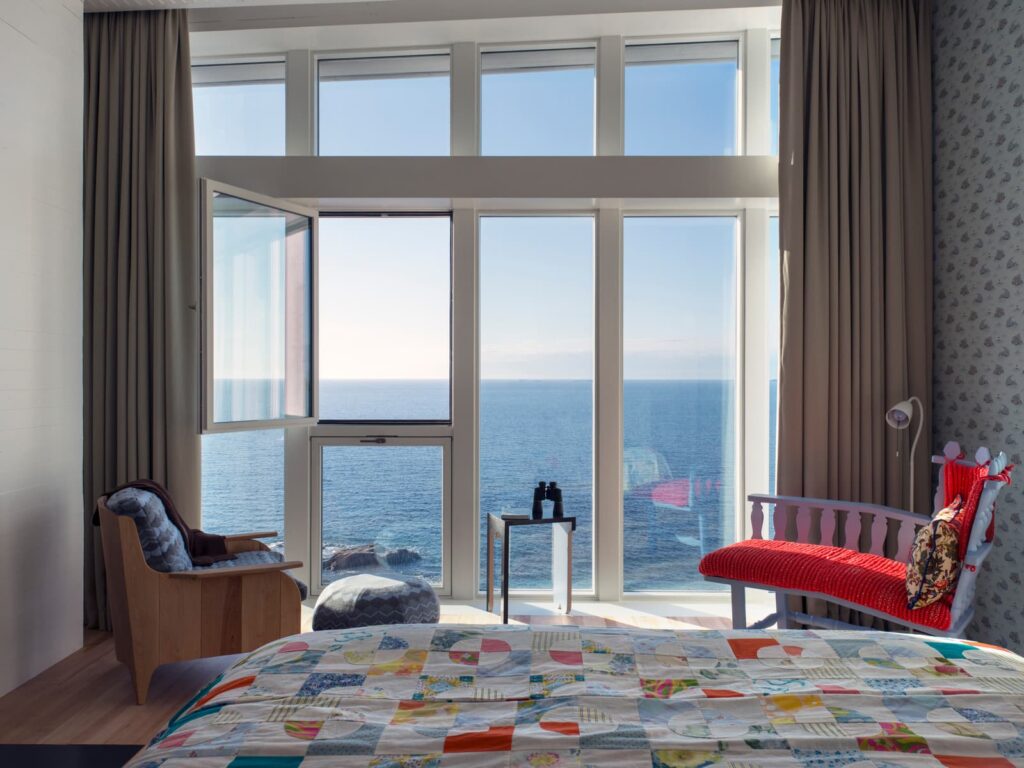

Even more remarkable is its business model. Revenue supports community initiatives through the Shorefast Foundation, demonstrating that hospitality can create meaningful impact far beyond the guest experience.
Today, travelers journey to Fogo Island not only for its dramatic Atlantic landscapes, but to experience a place where culture, community, and hospitality remain inseparable.
Rethinking Paradise
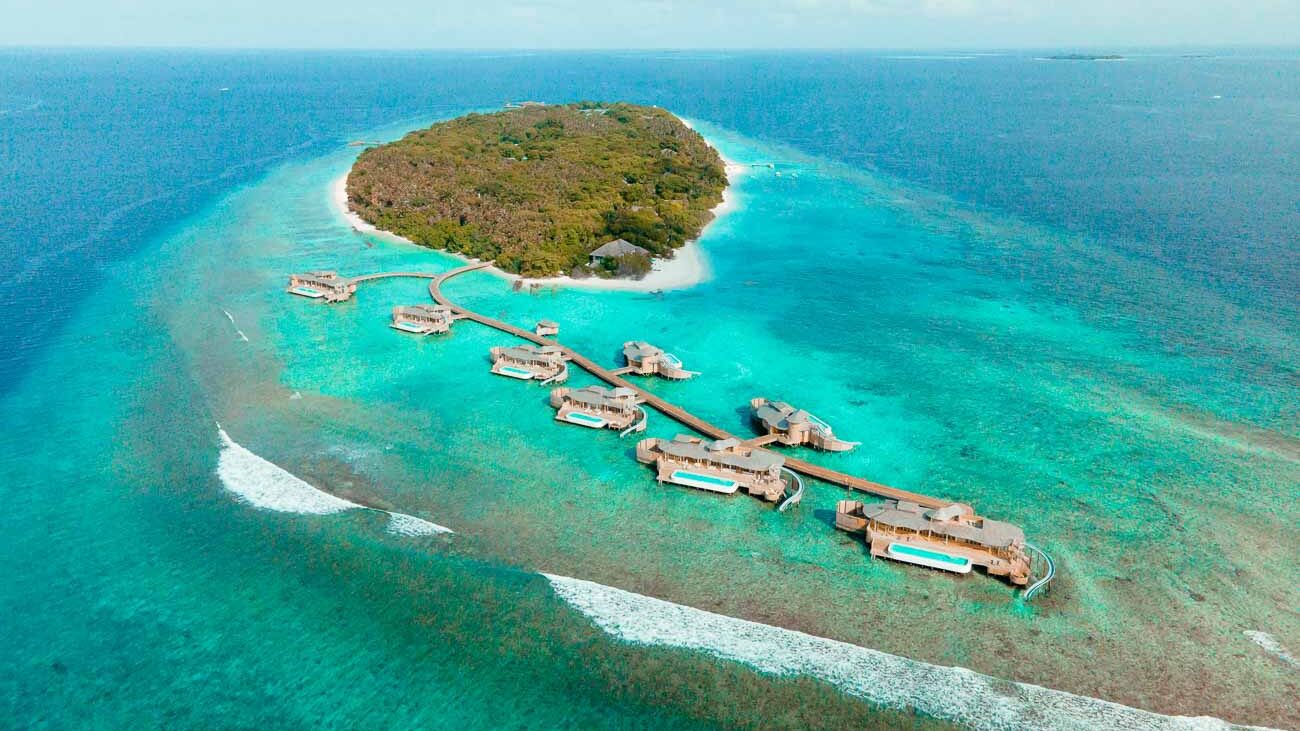
Long before the Maldives became synonymous with luxury travel, Sonu Shivdasani envisioned a different kind of island escape.
When Soneva Fushi opened in 1995, it challenged nearly every convention of tropical hospitality. Guests were encouraged to remove their shoes upon arrival. Villas disappeared into dense jungle instead of lining perfectly manicured beaches. Sustainability became a guiding principle years before it became an industry standard.
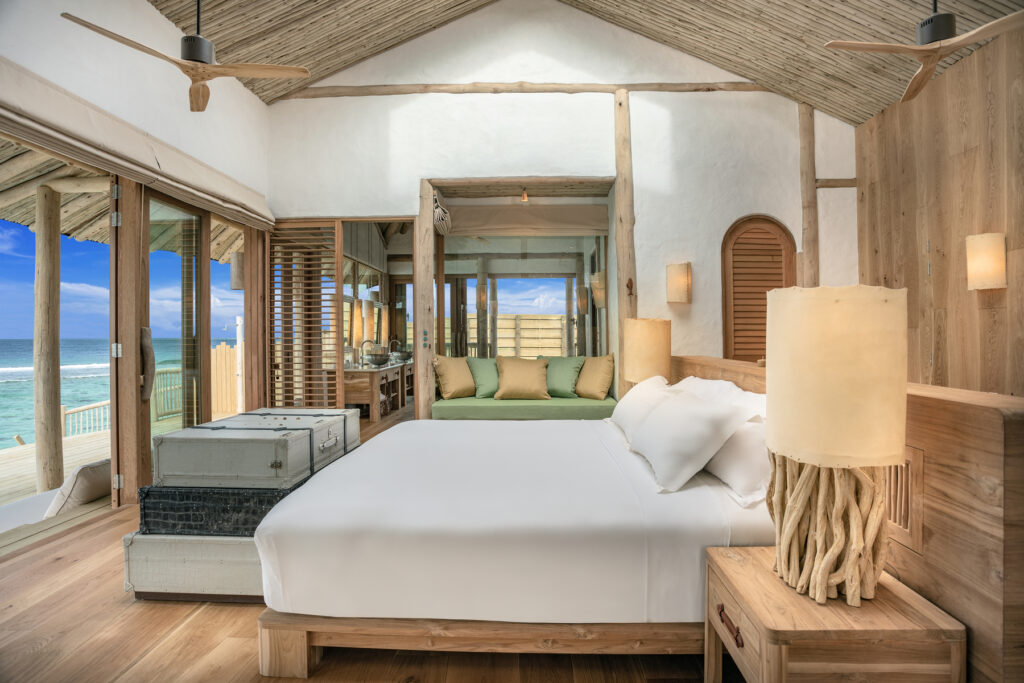
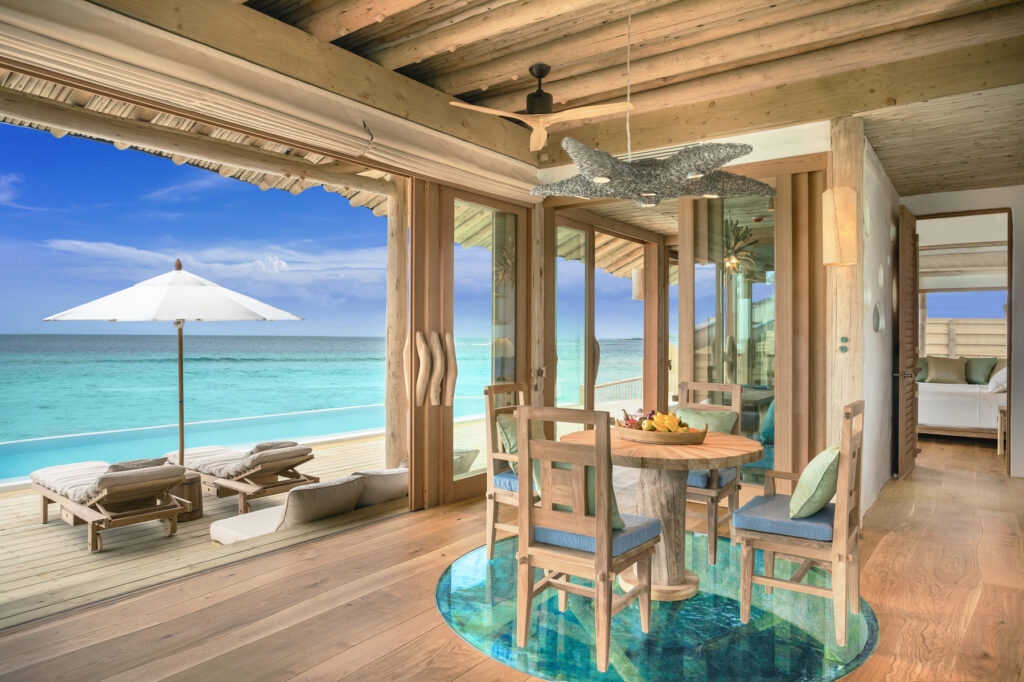
The philosophy was simple. Luxury should feel deeply connected to nature, and respectful of its surroundings.
That vision helped influence an entire generation of island resorts and contributed to establishing the Maldives as one of the world’s leading destinations for thoughtful, environmentally conscious luxury.
Luxury With a Purpose
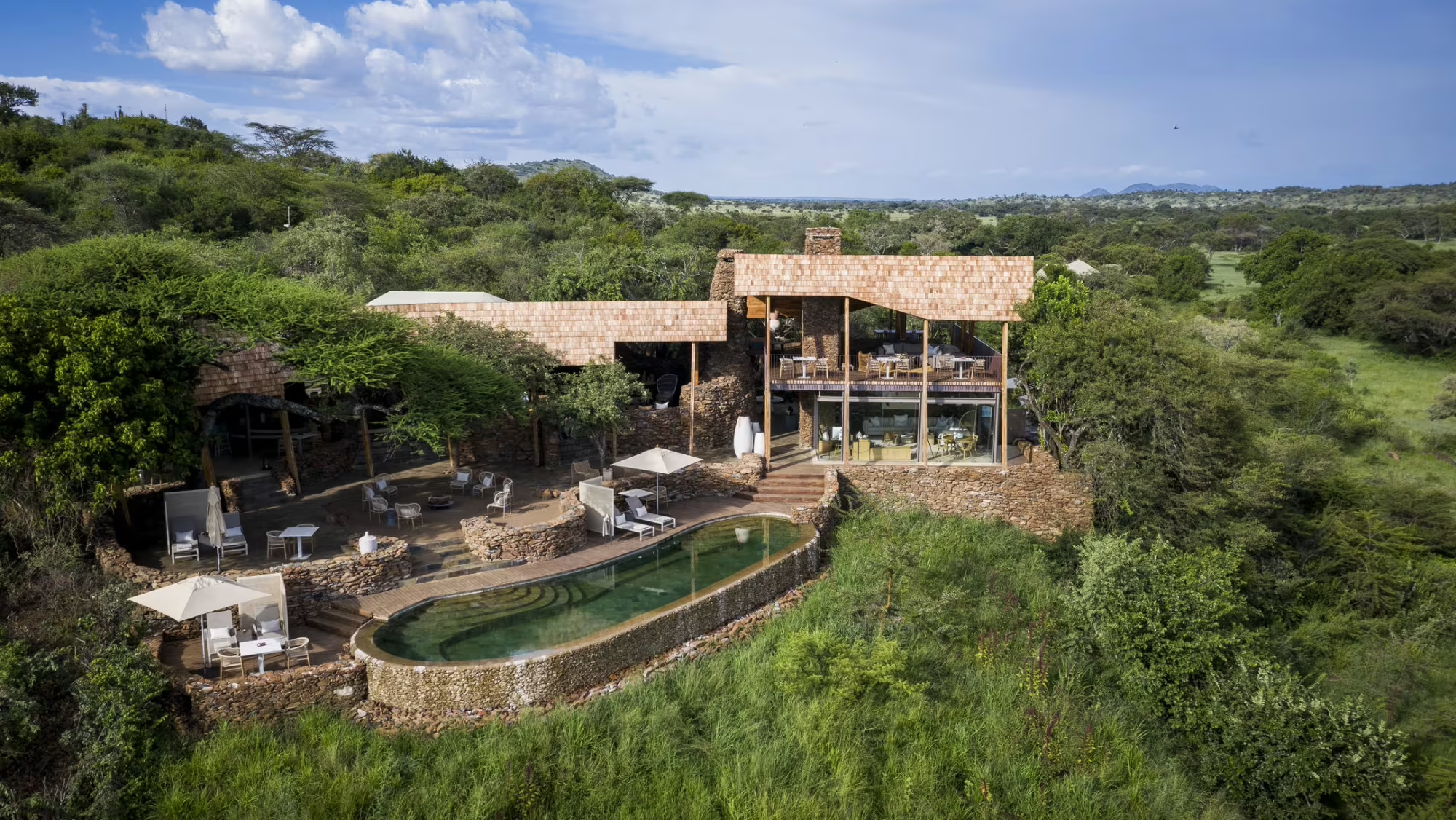
Safari tourism offers another remarkable example of a hotel changing the way travelers perceive a destination.
For many years, African safaris were viewed primarily as adventurous expeditions. Singita helped redefine that perception by proving that conservation, exceptional hospitality, and world-class design could exist together.
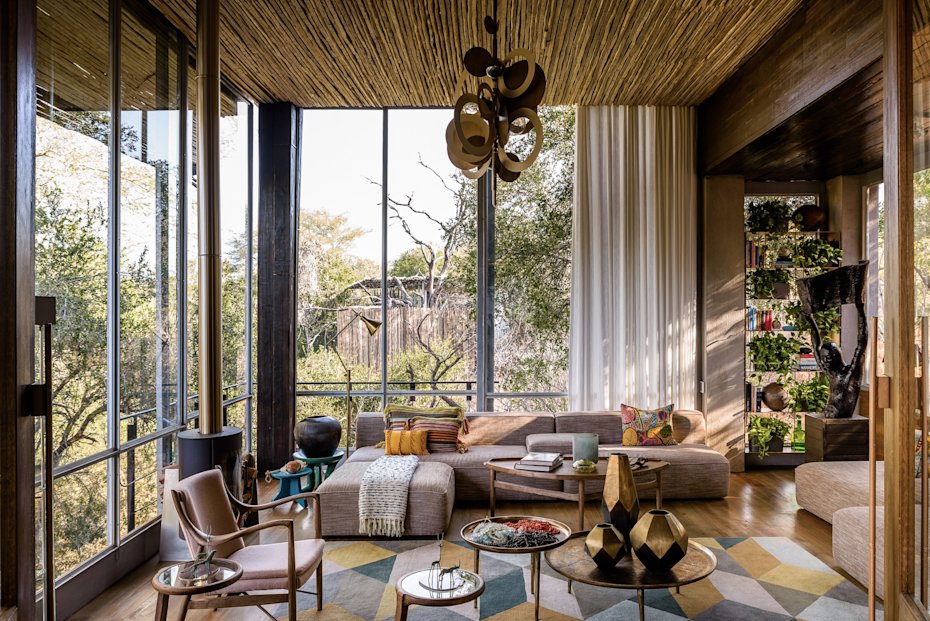
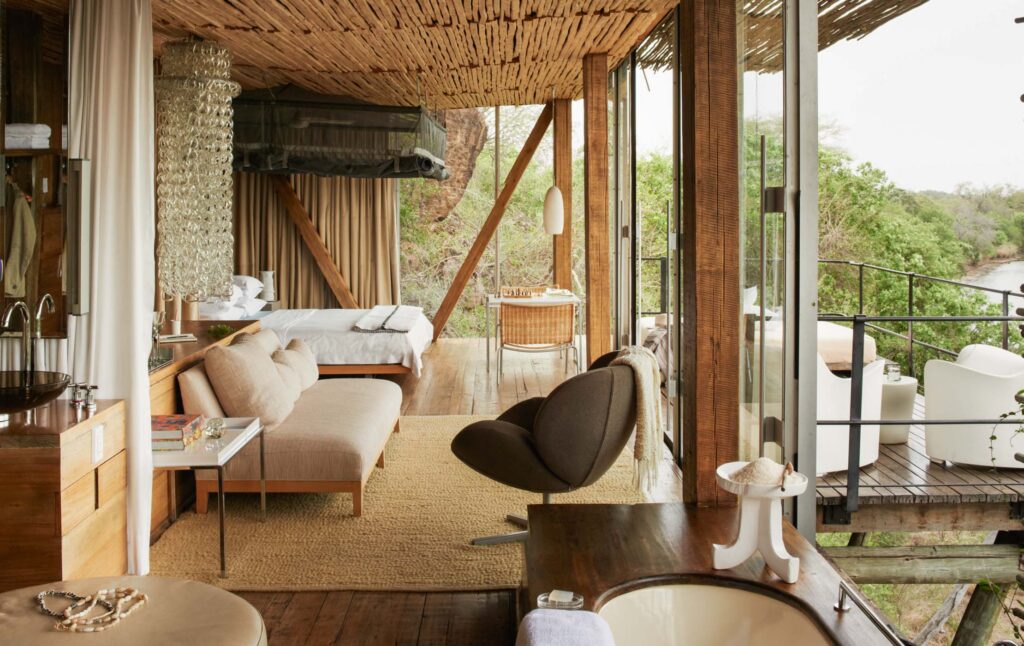
Beginning in South Africa and expanding into Zimbabwe, Tanzania, and Rwanda, Singita invested not only in beautiful lodges, but in protecting wildlife habitats and supporting surrounding communities through education, employment, and conservation initiatives.
The result is a model that has influenced luxury safari experiences across Africa and demonstrated that hospitality can become one of conservation’s most powerful allies.
A New Way to Experience Patagonia
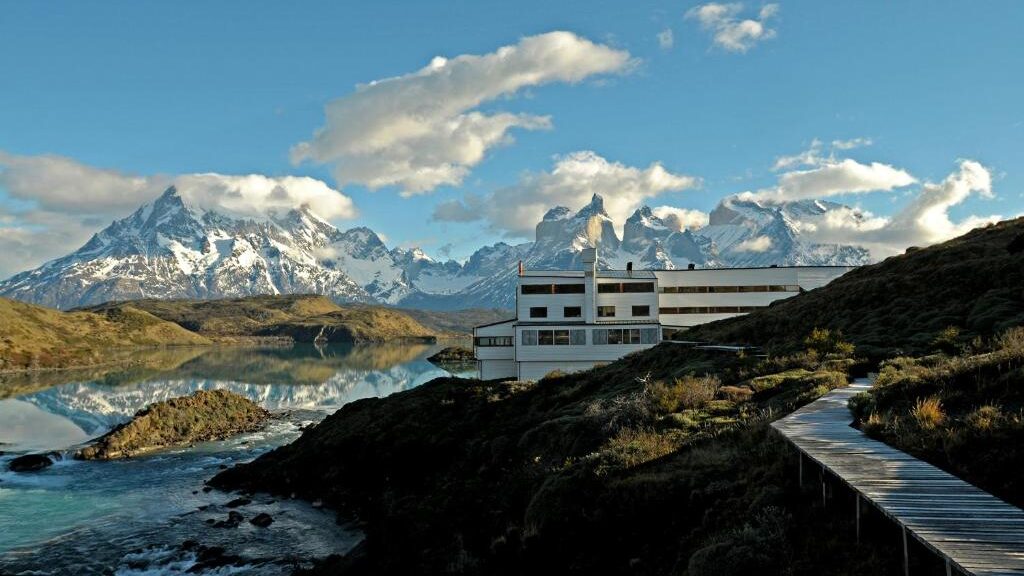
Patagonia has always inspired travelers with its dramatic landscapes.
Explora changed how they experienced them.
When the company opened its lodge inside Torres del Paine National Park, it encouraged guests to stay longer, move more slowly, and explore the region through carefully curated hikes, horseback rides, and conversations with expert local guides.
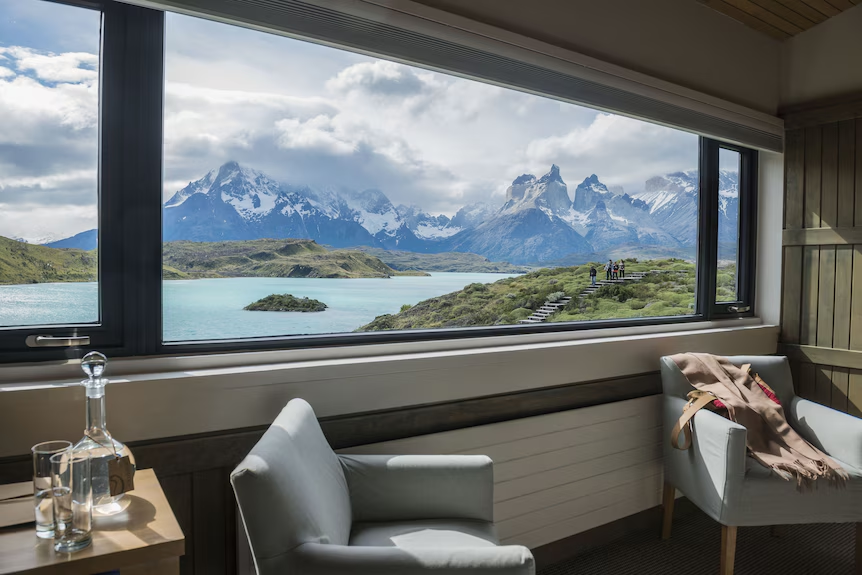
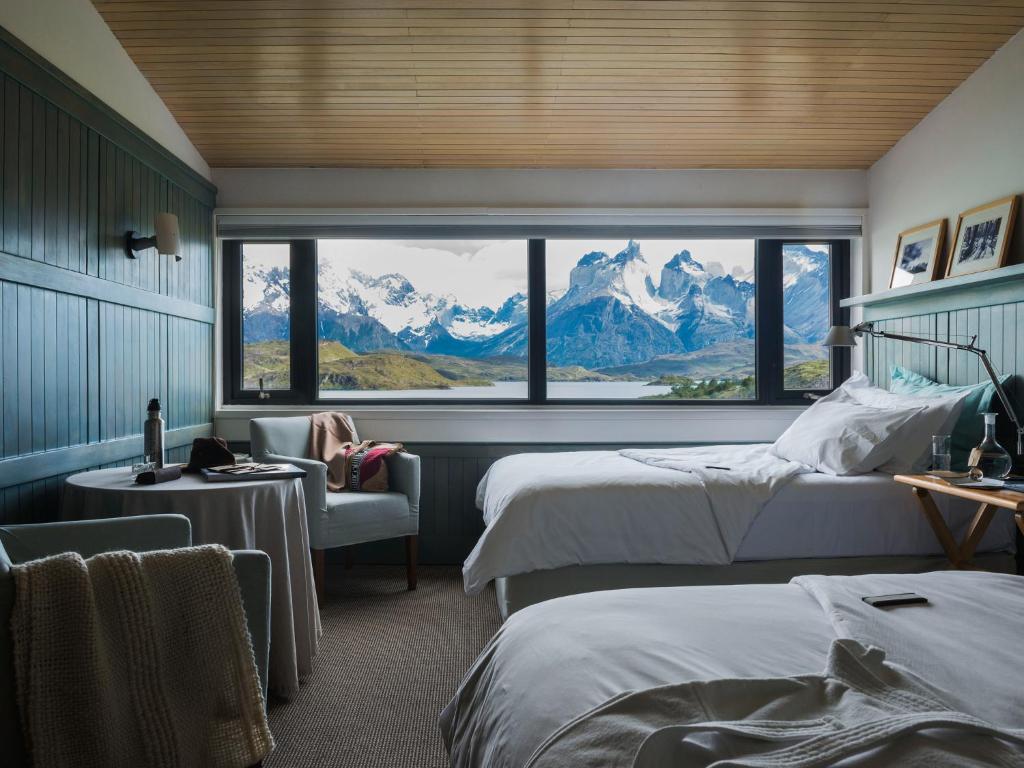
The destination became more than a series of viewpoints. It became an immersive experience.
Today, many wilderness lodges around the world have embraced this philosophy, placing equal importance on exploration, interpretation and meaningful connection with the landscape.
The Legacy of Great Hospitality
The world’s most remarkable hotels share something in common.
They don’t simply offer beautiful rooms, impeccable service, or exceptional dining.
They change the way we experience a place.
They encourage travelers to look beyond familiar itineraries, spend more time in one destination, and appreciate its culture, landscapes, and communities through a different lens.
Years later, guests may remember the suite, the view, or a memorable meal. But what often stays with them is something less tangible: the feeling of discovering a destination in a way few others have.
That’s the mark of a truly extraordinary hotel.
If you’re looking for a journey where the hotel is every bit as memorable as the destination itself, we’d love to help. Our team can introduce you to remarkable properties that have shaped the places around them, and create an itinerary that goes far beyond a traditional hotel stay.
Stay COZY.