
A Different Rhythm in the Middle of the City
There are places you understand better once you’ve experienced them yourself.
Our recent stay at Rosewood São Paulo gave us that perspective. Beyond the architecture and design, it was the rhythm of the hotel, the way each space unfolds, and the people behind it that shaped the experience.
This is our COZY perspective on Rosewood São Paulo, a closer look at what defines the property today, and why it continues to stand out within the city’s evolving landscape.
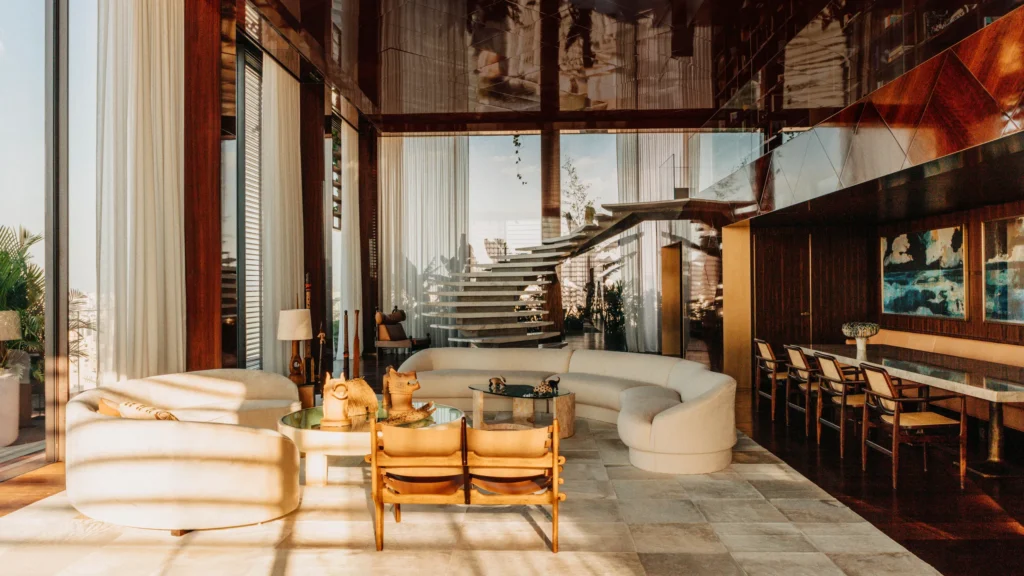
The First Impression
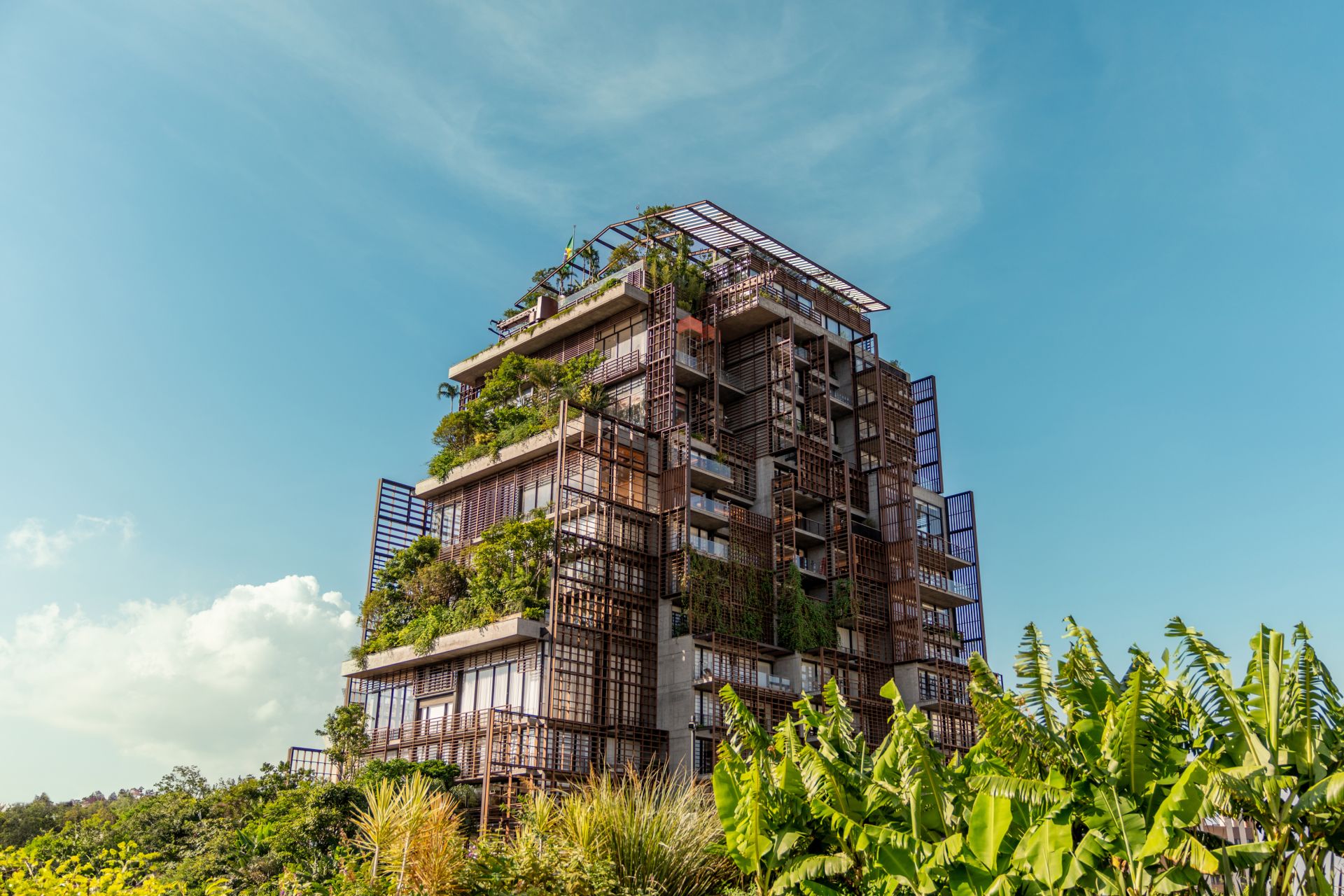
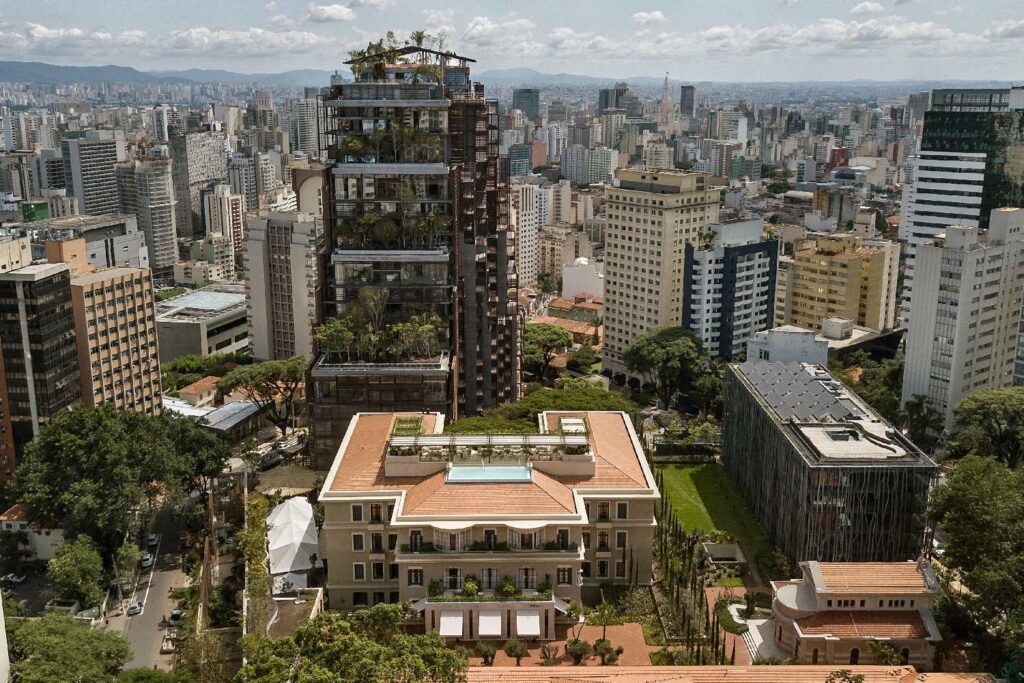
Rosewood São Paulo opened on January 10, 2022 as the first South American property from Rosewood Hotels & Resorts. The hotel sits inside Cidade Matarazzo, a 30,000-square-meter mixed-use enclave in Bela Vista, just off Avenida Paulista, where restored early-20th-century buildings meet contemporary interventions by Jean Nouvel and Philippe Starck.
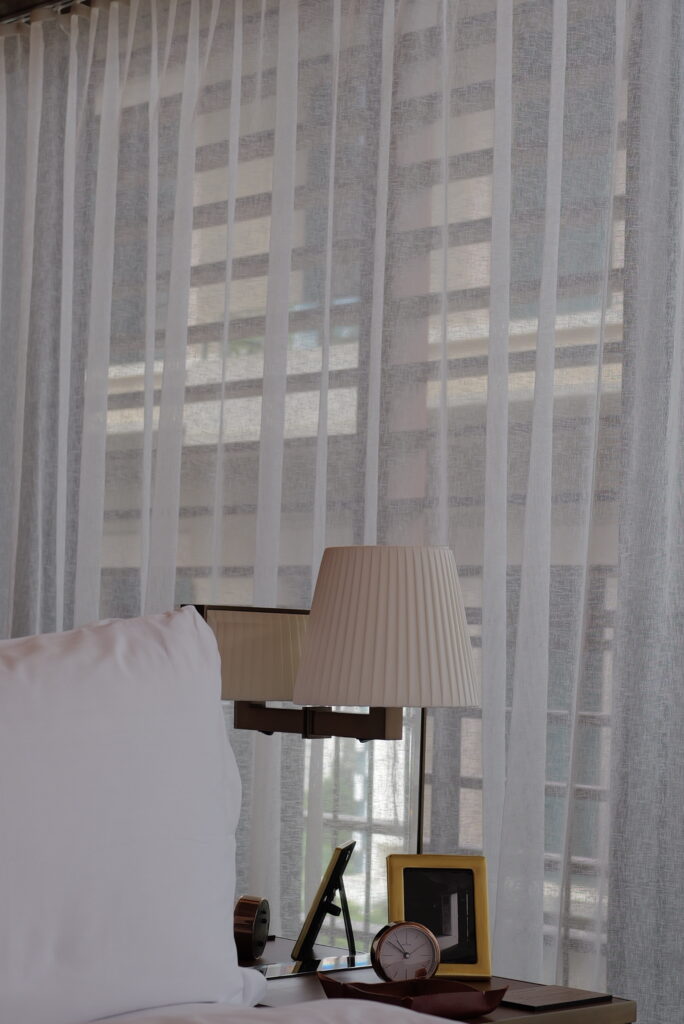
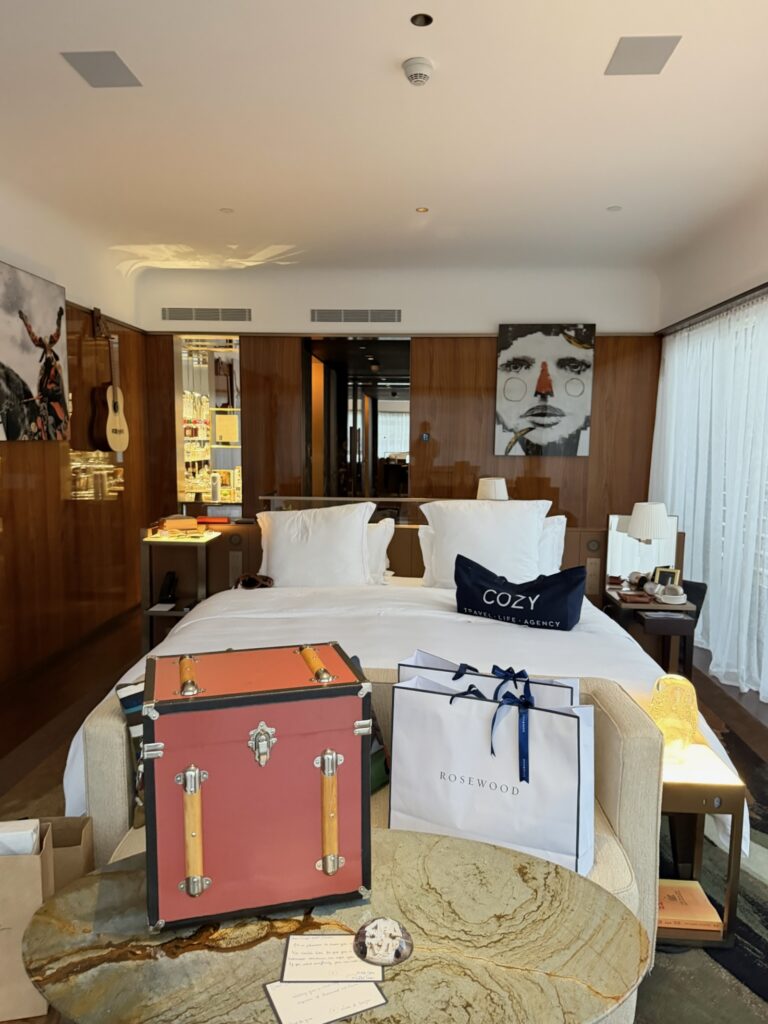
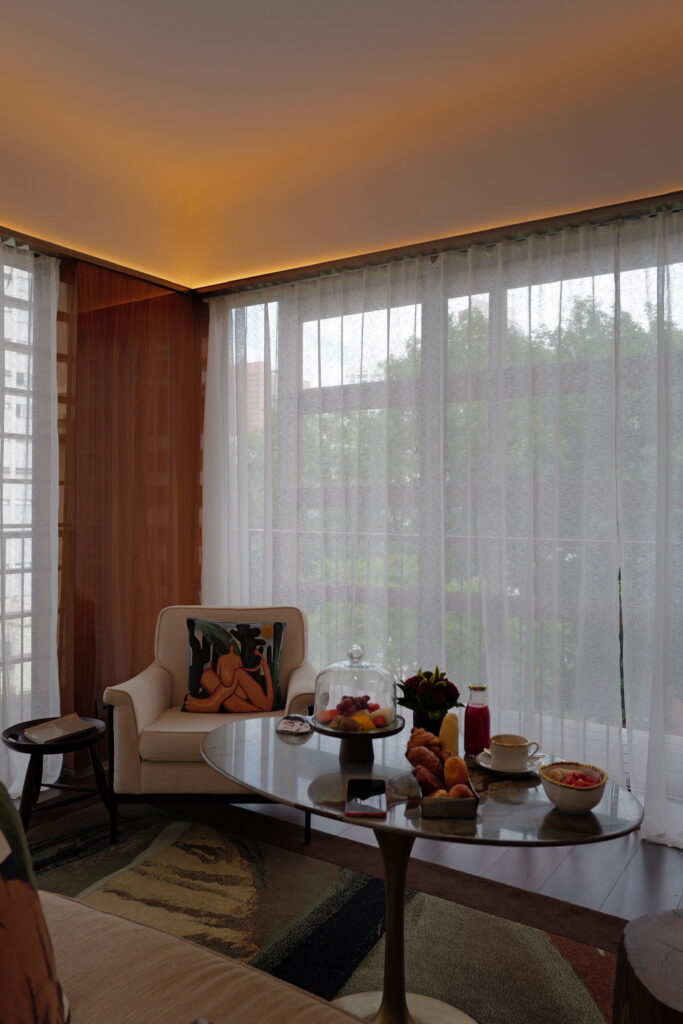
The setting explains the mood from the very beginning. Part of the hotel occupies the former Matarazzo Maternity building, where Rosewood says more than half a million Brazilians were born. Beside it rises the Mata Atlântica tower, conceived by Jean Nouvel as a vertical extension of the surrounding landscape, with planted terraces, native species, and a dense relationship to the neighboring park. On the grounds, the restored 1922 Santa Luzia Chapel preserves another layer of the site’s history and now features a stained-glass rosette by Vik Muniz.
That contrast is what makes the arrival memorable. You are not stepping into a generic luxury hotel. You are stepping into a place where São Paulo’s past and future are deliberately held in the same frame.
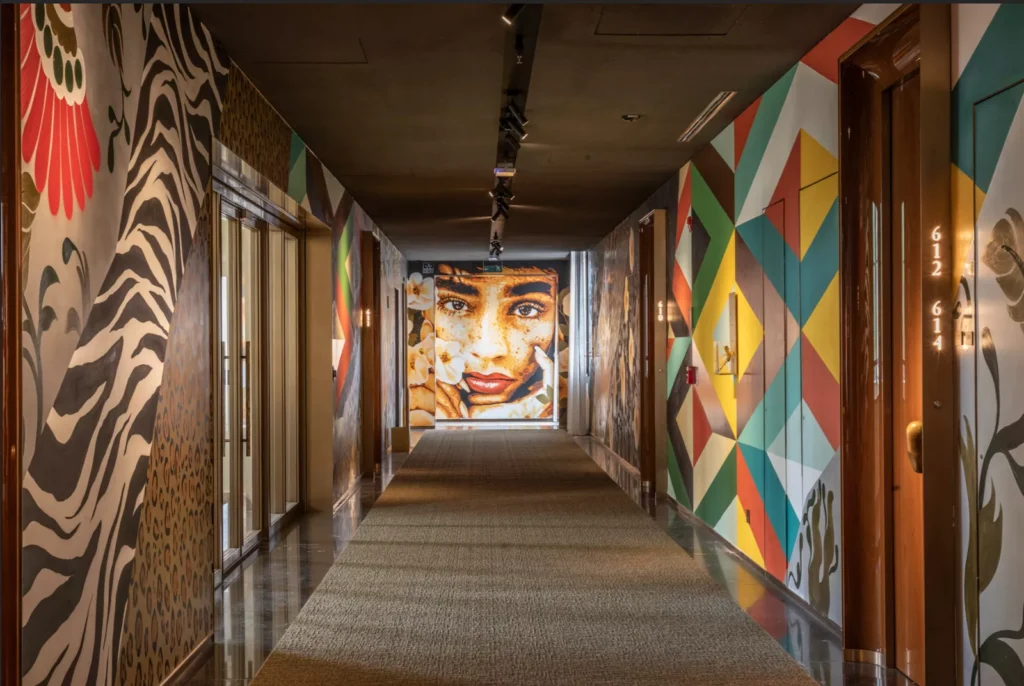
A Hotel Built on Brazilian Identity
What makes Rosewood São Paulo stand out is not simply that it is beautiful. It is that the beauty has authorship.
Rosewood’s own materials describe the hotel as a “love letter to Brazil,” and the details support that claim: most design materials were sourced locally, rooms are finished with Brazilian woods and restored heritage elements, and the accommodation is styled with books, artworks, instruments, and objects that point back to the country rather than to an imported luxury template. Editorial coverage of the property adds another layer, noting handcrafted pieces by thousands of local artisans and a design language that pulls from modern Brazilian references as much as from international high design.
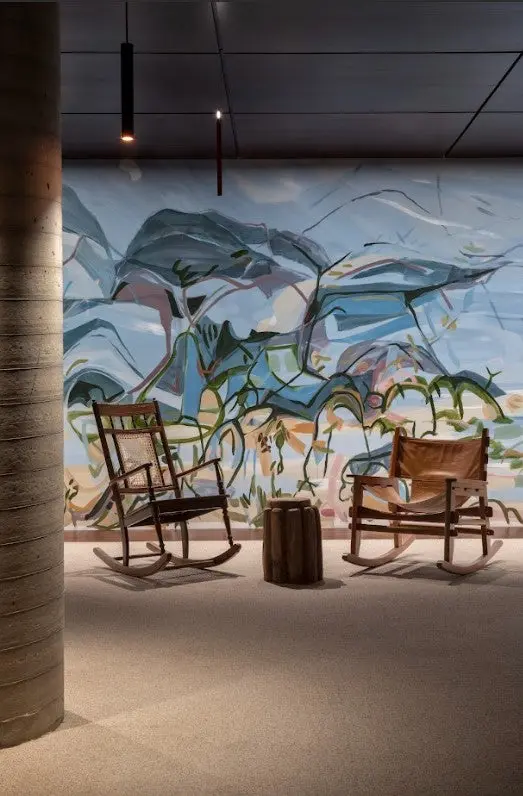
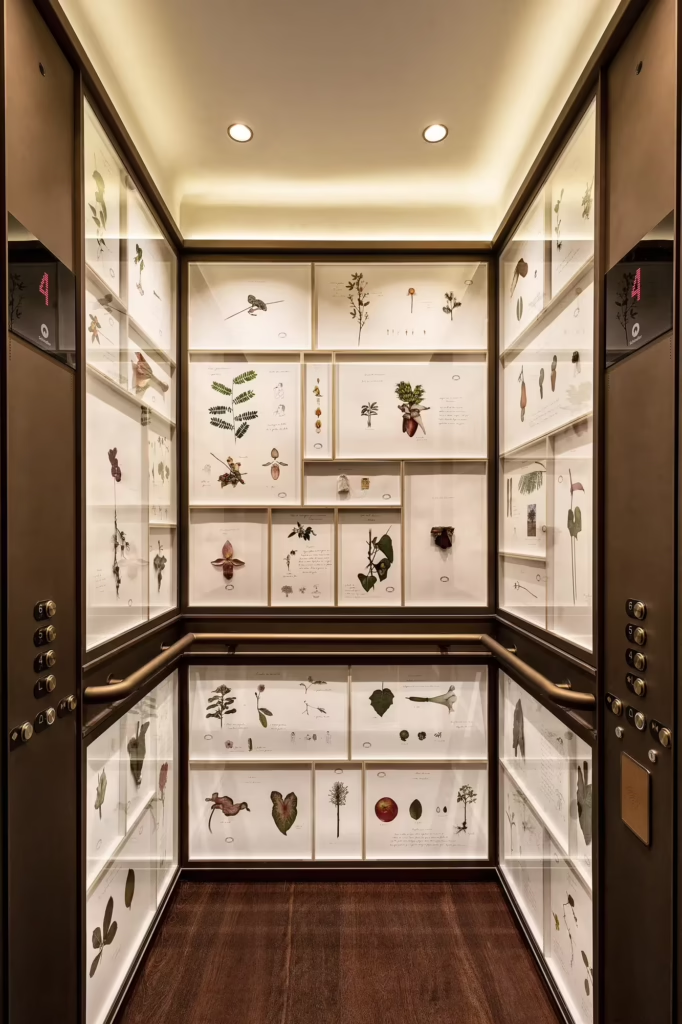
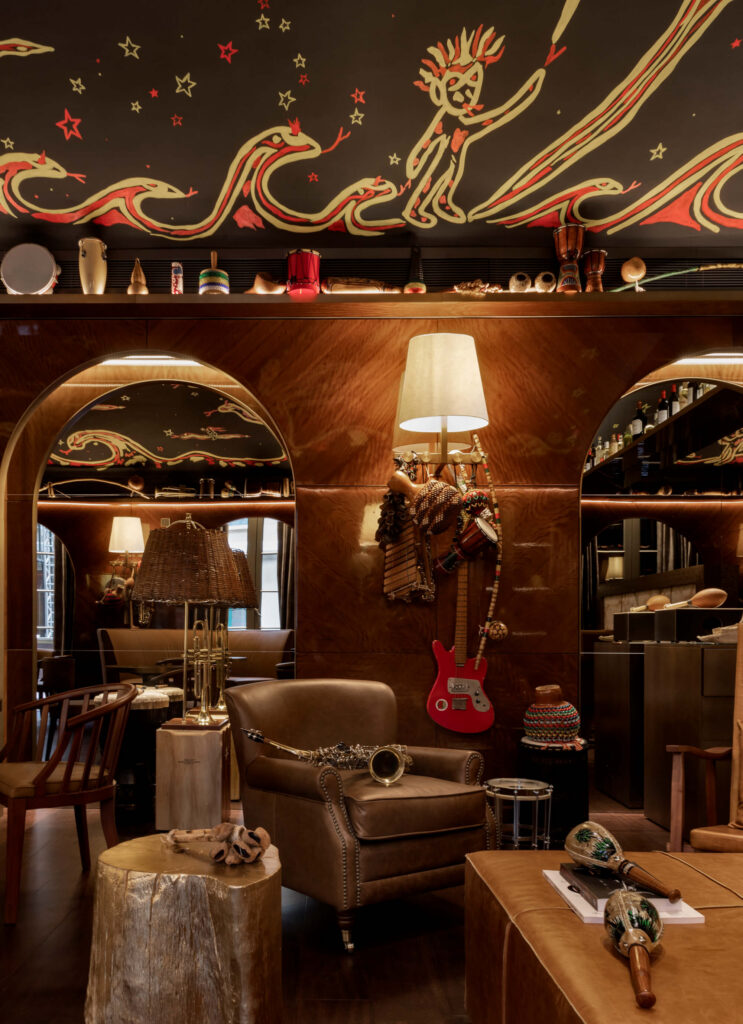
The art program is central to that identity. Curated by Marc Pottier, the hotel’s permanent collection includes more than 450 works by Brazilian artists and artisans integrated throughout the property, not isolated in a gallery wing. That means the art is encountered in elevators, corridors, bars, suites, the chapel, and around the pools. It also means the hotel reads less like a decorated hotel and more like a fully authored cultural environment.
Some of the strongest details are the most specific: the lobby tapestries by Regina Silveira, rooftop pool tiles by Sandra Cinto, and Vik Muniz’s intervention in the chapel. These are not add-ons. They are part of the architecture of the stay.
The Energy of the Space
Rosewood São Paulo is at its best when it is described not only as a hotel, but as a living address within the city.
That is visible in the way the property is programmed. Rosewood offers guided art tours, monthly concerts in the Santa Luzia Chapel, and seasonal rituals like Sundays at Taraz. The dining lineup is also intentionally varied: Le Jardin operates as an all-day grand café, Blaise reworks French cuisine through Brazilian ingredients, Taraz focuses on wood-fired South American cooking, Bela Vista Bar leans cocktail-forward, and Rabo di Galo brings nightly live music into a more intimate, old-world bar setting.
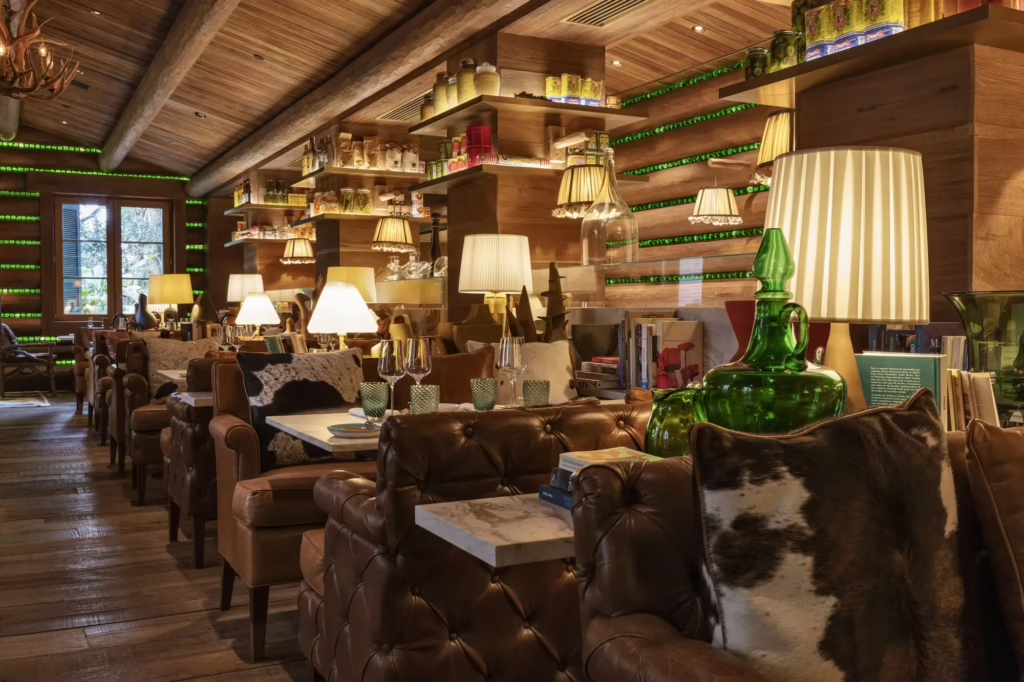
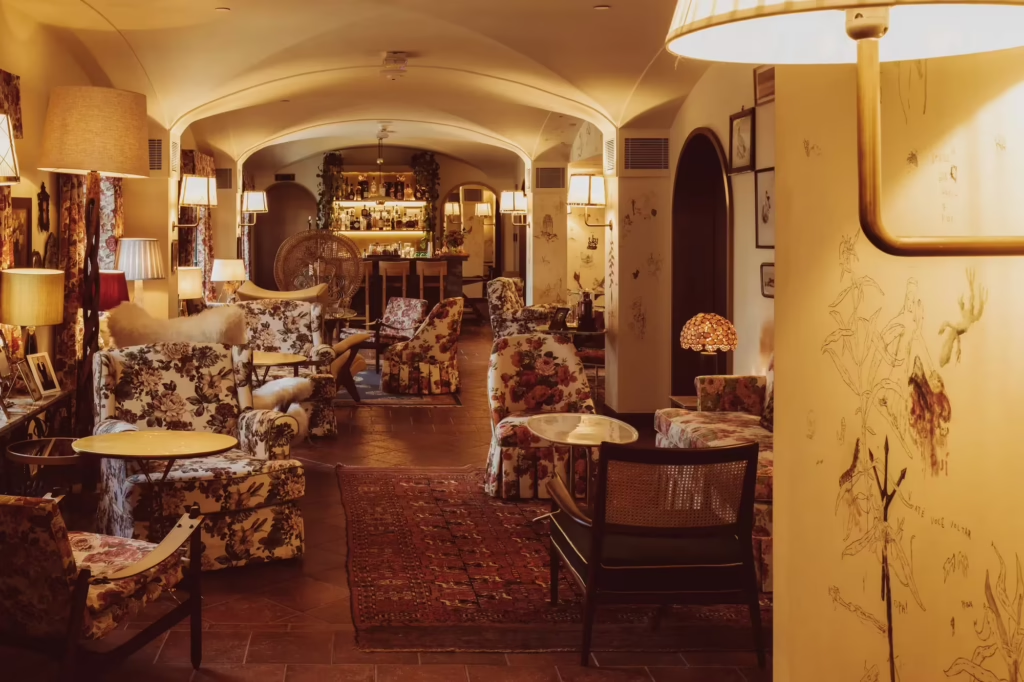
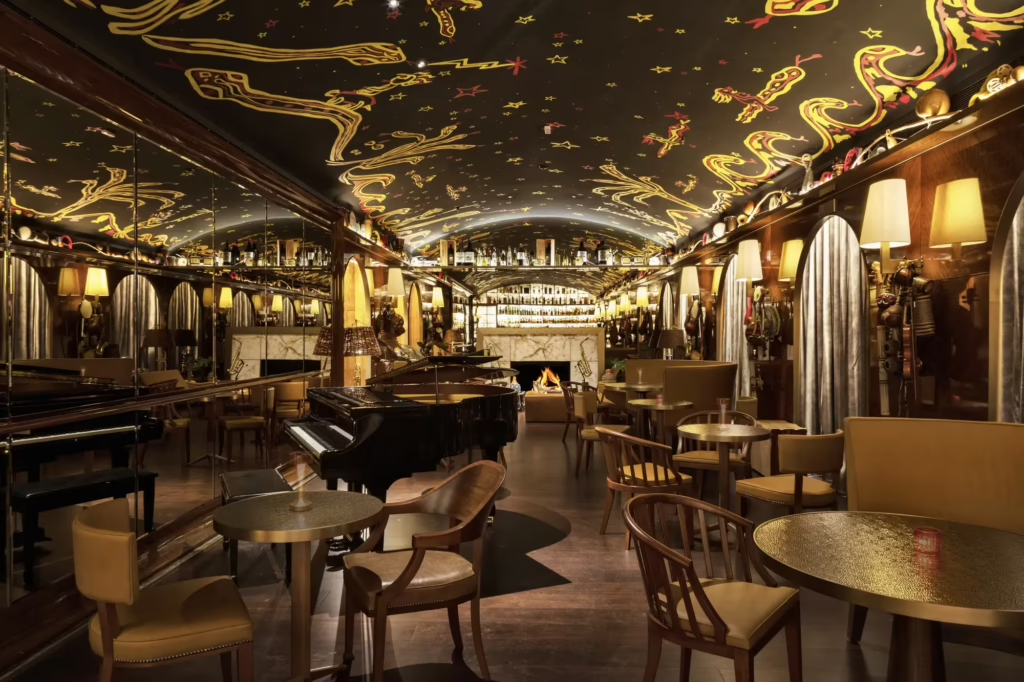
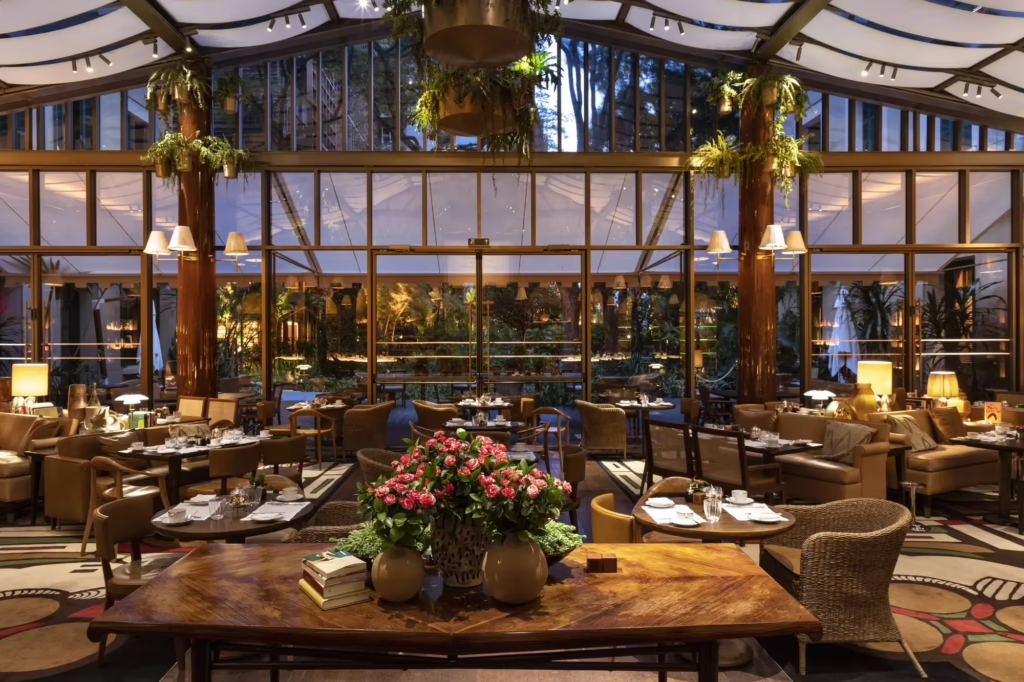
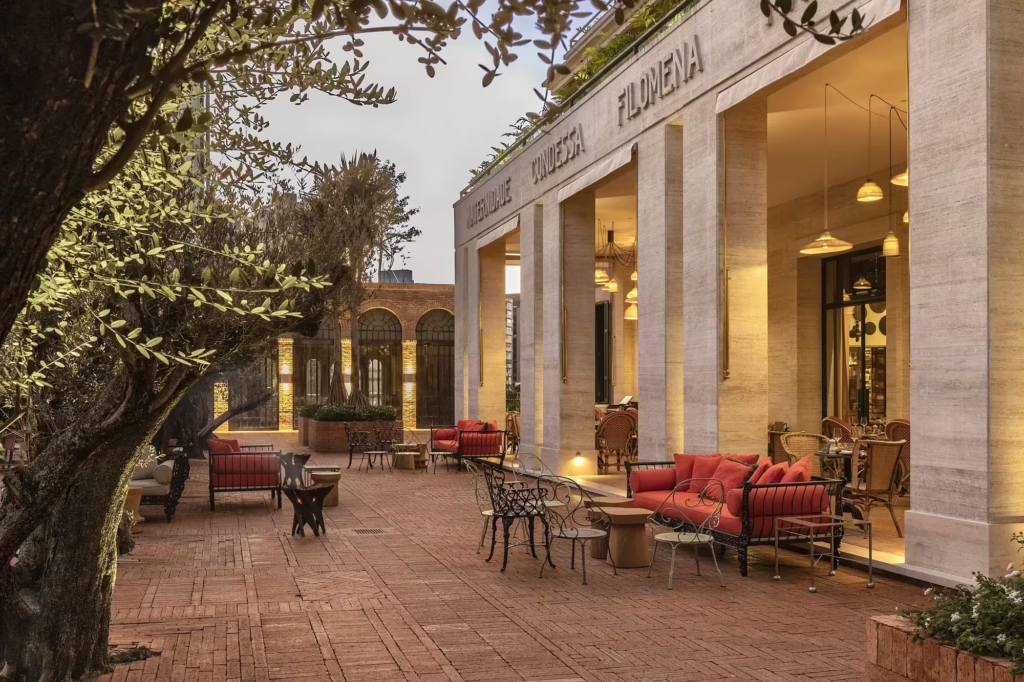
That mix matters because it keeps the hotel connected to São Paulo rather than sealed off from it. Rabo di Galo, for example, currently operates on a walk-in basis, and the hotel’s wellness program includes memberships designed for Paulistas, not just overnight guests. Together, those details make the property feel socially engaged rather than self-contained.
The location reinforces the same point. Rosewood is in Bela Vista, a short walk from Avenida Paulista and close to cultural institutions like the Museum of Art of Sao Paulo. So while the hotel can feel insulated once you are inside its gardens and courtyards, it still keeps the city within immediate reach.
Wellness, Without Leaving the City Behind
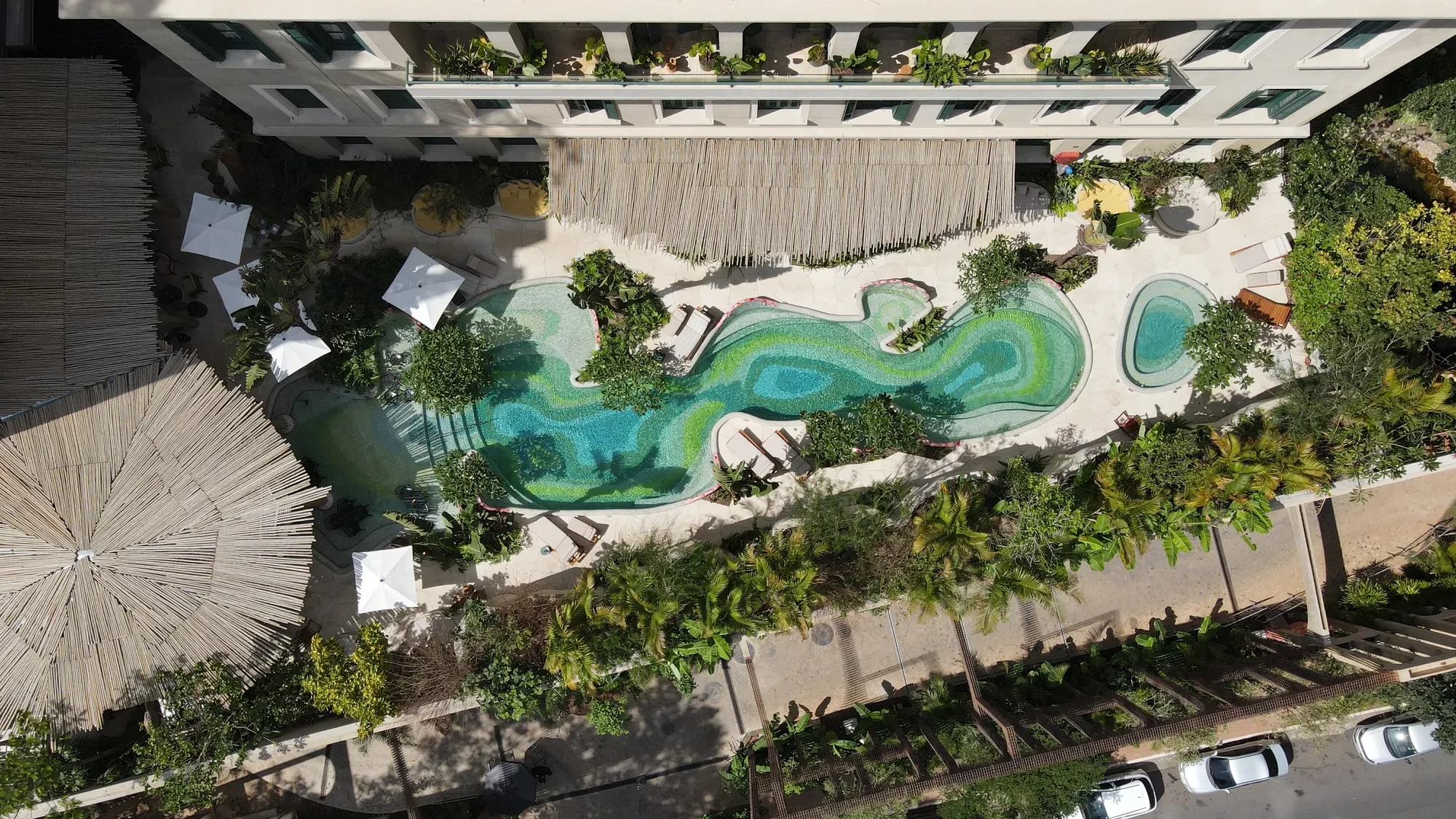
The quieter side of the hotel became more complete in 2024 with the launch of Asaya Spa by Guerlain. The concept blends Brazilian rituals with Guerlain treatments and includes the mirrored Crystal Room, guided meditation, Reiki, sound therapy, fitness and Pilates facilities, and private spa experiences. Rosewood also highlights two outdoor pools: one rooftop, one within the gardens.
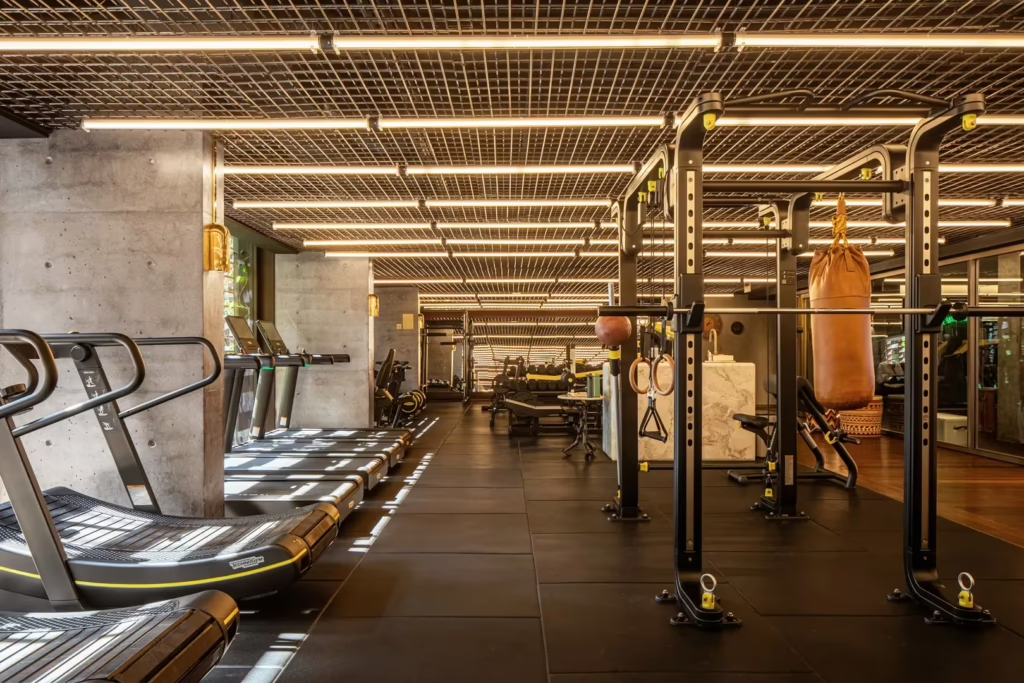
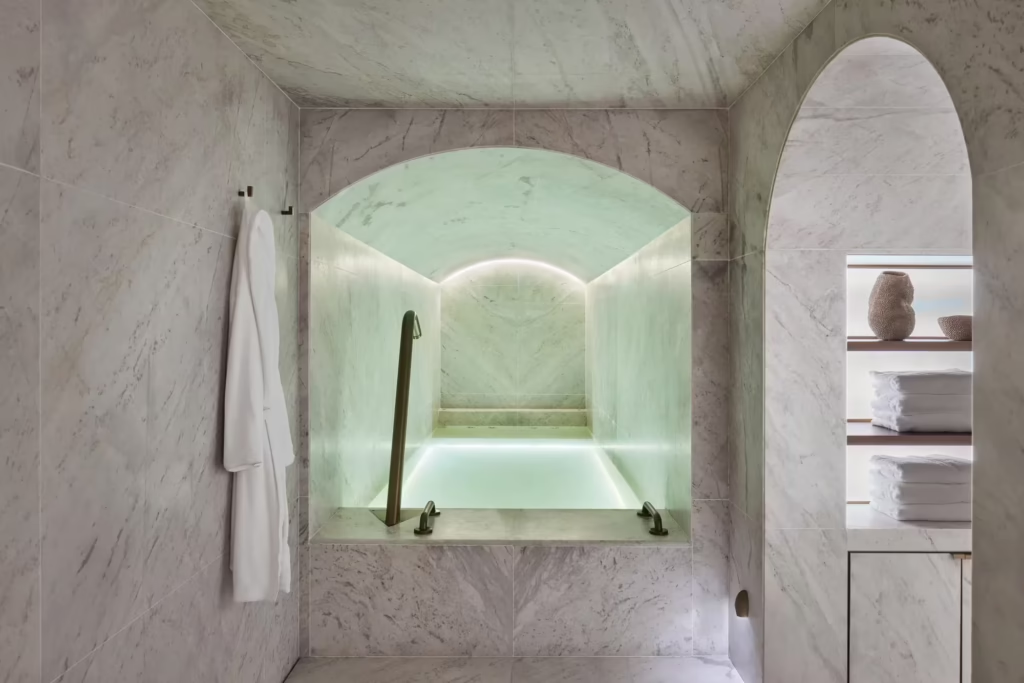
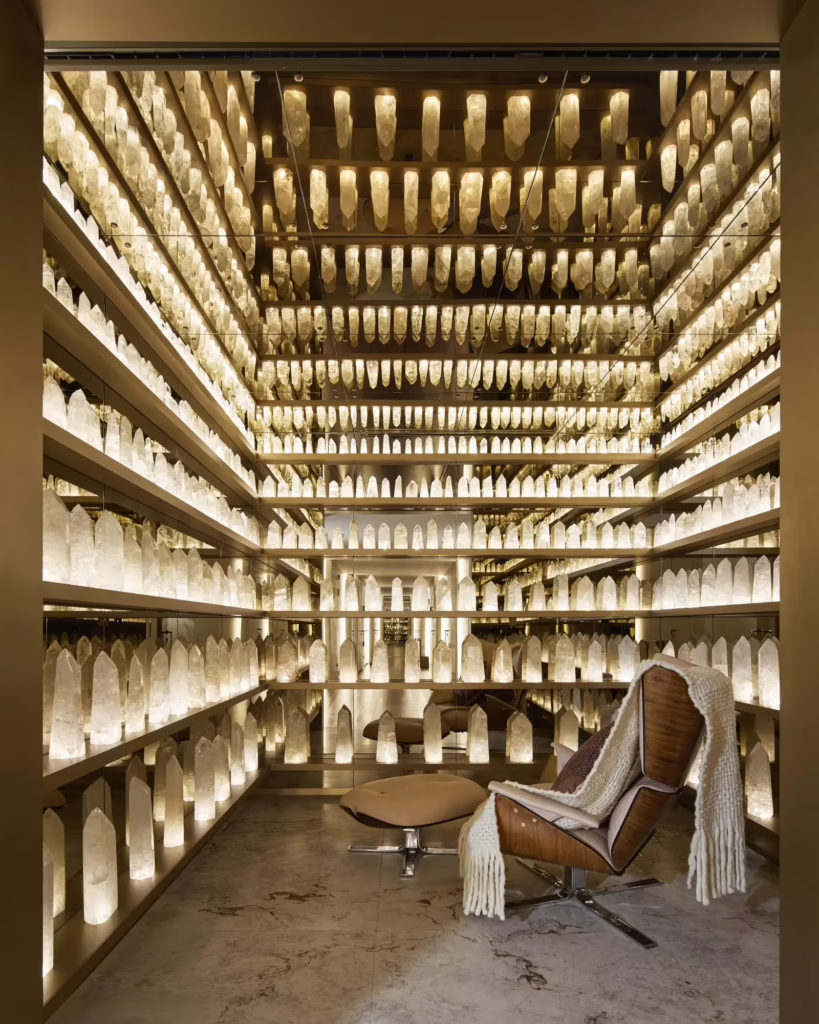
This is a useful detail for the story because it explains the hotel’s second rhythm. Rosewood São Paulo is not only about the sociability of dinner, drinks, and design. It also knows how to slow down. That is what makes it feel especially rare in a city like this.
The COZY Perspective
What Rosewood São Paulo does especially well is build luxury through context.
The history is legible. The architecture is not trying to erase the site’s past. The art is part of the hotel’s structure, not a final styling layer. The public spaces have real energy. And the city remains close enough that the hotel never feels detached from São Paulo itself. Critics and awards bodies have responded to exactly that blend: the property now holds Three MICHELIN Keys and was ranked No. 24 on The World’s 50 Best Hotels 2025 list.
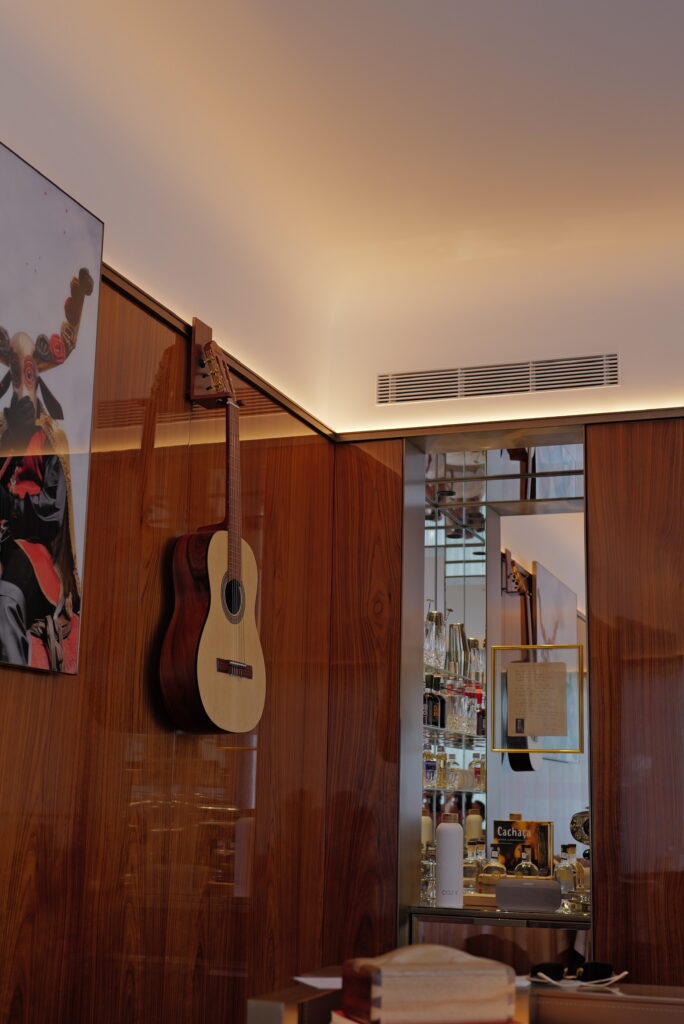
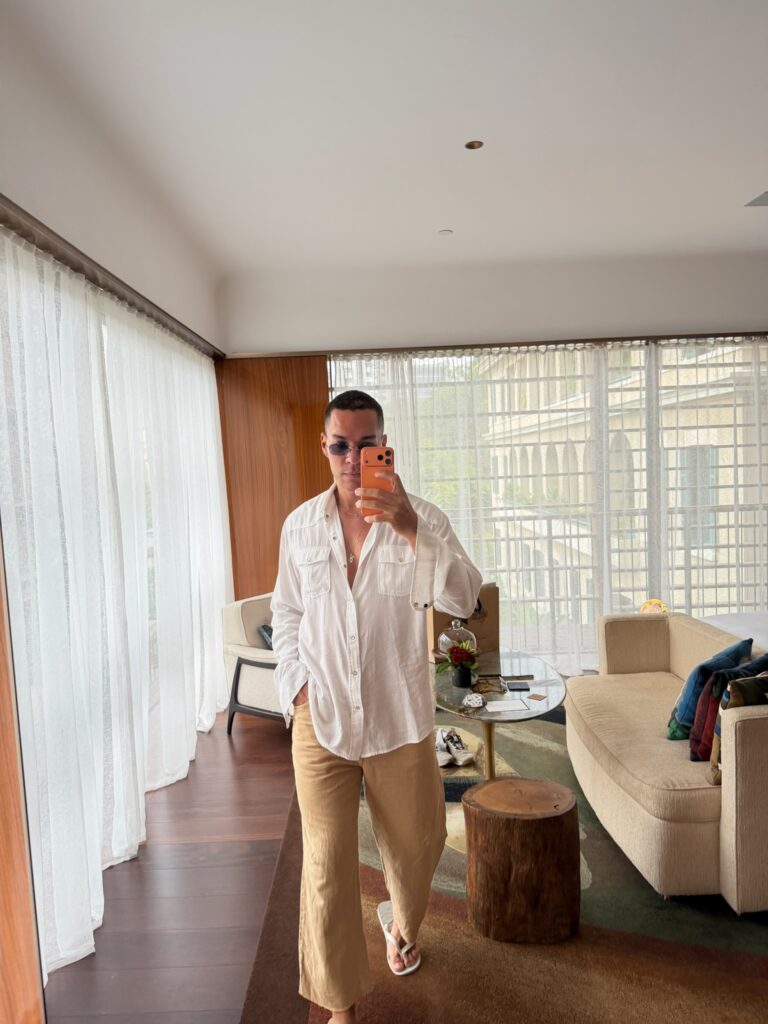
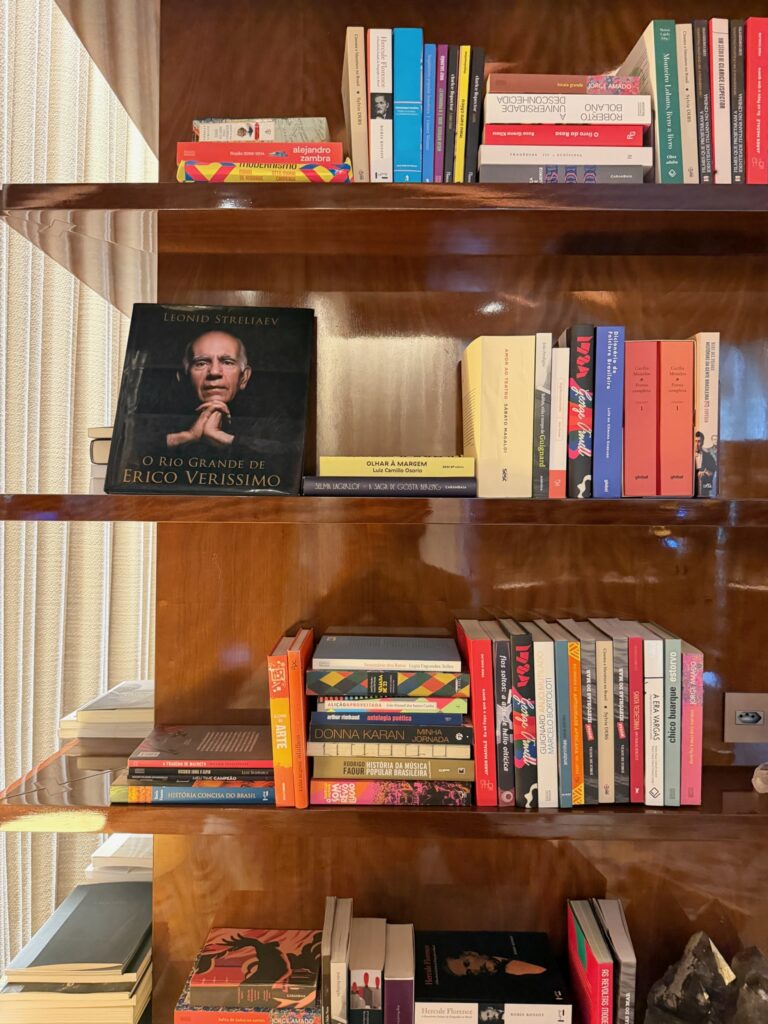
That is ultimately why it stays with you. Not because it is loud about luxury, but because it is clear about place.
If São Paulo is on your list, we can make sure your stay at Rosewood São Paulo feels seamless from the moment you arrive.
Connect with a COZY Advisor to plan your stay with preferred access, added amenities, and a level of care that goes beyond the booking.
Stay COZY.